
24/7 Customer Support

Free returns

Same-day & Next-day Delivery

Quality Guaranteed

Unlock Your Welcome Offers: FREE Delivery | Up to 80% OFF | Free 30-day JoyPlus trial
Download the APP
Freeze-dried pet treats appeal to UK cat and dog owners because they are lightweight, convenient and often made with a short ingredients list. They can work as training rewards, enrichment snacks or meal toppers for pets, including some raw-feeding households and owners looking for grain-free options.
However, attractive packaging does not always tell you enough about what you are buying. A small pouch may contain a high proportion of crumbs, vague animal ingredients or feeding guidance that is unsuitable for your pet’s size. Before choosing freeze-dried salmon treats, whole prey pet treats or another natural option, check the details below.
The word “natural” does not automatically mean a treat is complete, balanced or appropriate as a daily food. Many freeze-dried products are supplementary treats, so they should not replace a complete pet food unless a qualified veterinary professional has advised you to do so.
Check the composition, analytical constituents and feeding instructions. A clearly stated single ingredient, such as 100% salmon or 100% quail, makes it easier to understand what your pet is eating.
Freeze-dried food has had most of its moisture removed, making it concentrated and portable. This is useful for walks and training, but the visible portion may look smaller than expected. Compare feeding guidance by your pet’s weight rather than judging portion size by eye.
Fresh drinking water should always be available. Some products can also be rehydrated with warm water to create a softer texture or meal topper.
Whole prey pet treats may include muscle, organs and small bones. That can provide variety, but the texture and mineral content may not suit every animal. Small pieces can also be unsuitable for pets that gulp food.
Introduce any new treat gradually and supervise feeding. For pets with diagnosed allergies, digestive concerns or specific dietary requirements, review the ingredient list with your veterinary practice rather than relying solely on terms such as “hypoallergenic”.
For households managing food sensitivities, a single named protein is easier to monitor than a recipe containing several animal sources. 100% salmon, 100% krill, 100% capelin and 100% quail are all clear composition statements in the products featured below.
Novel proteins such as capelin, quail and krill may be useful for rotational feeding, but they are not automatically suitable for every allergy-related situation. Read the full label for possible cross-contamination information and additives.
Analytical constituents give you a practical comparison point:
For example, the salmon fillet lists at least 75% crude protein and no more than 6% moisture, while the krill product lists at least 55% crude protein and at least 10% crude fat. These figures are not a substitute for a complete diet assessment, but they help you compare products objectively.
Consider whether you need a treat for recall training, a topper for a fussy cat or a rehydratable snack for an older pet. Flakes and small pieces are easy to portion, while whole pieces can provide enrichment.
Look for clear instructions covering pet age, daily quantity, storage and rehydration. The products below are labelled for pets over three months of age, but the product packaging should always take priority.
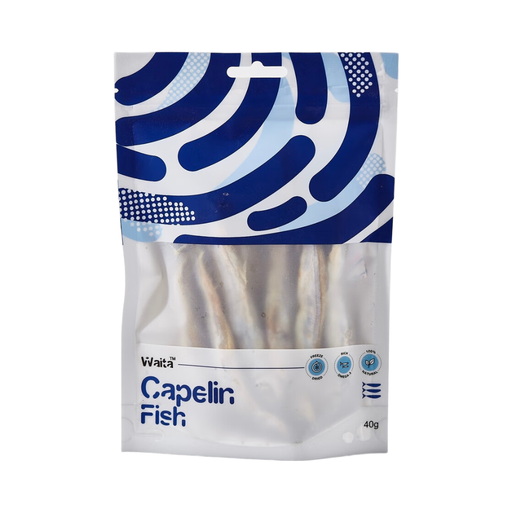
Why This Fits Their Persona: A practical starting point for owners wanting a single-ingredient fish treat that can be served whole, crumbled over meals or rehydrated.
The composition is listed as 100% capelin with no additives, rather than relying only on broad “natural” wording.
Whole capelin includes meat, tiny bones and oils; analytical constituents include at least 50% crude protein and no more than 6% moisture.
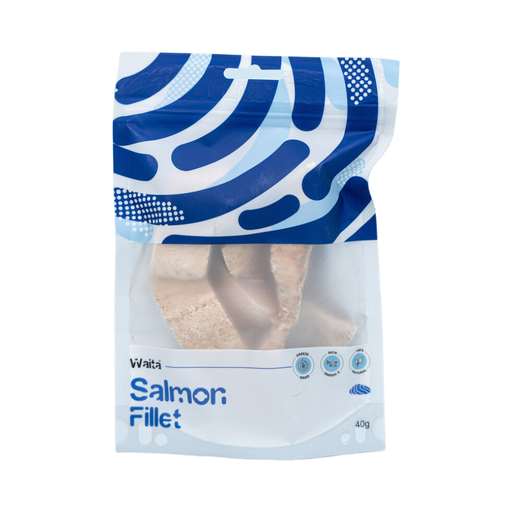
Why This Fits Their Persona: Suitable for owners prioritising a clearly defined fish fillet that can be portioned precisely for cats, dogs or small animals.
It identifies 100% salmon fillet and provides a detailed nutritional panel, helping you avoid ambiguous fish-based ingredient claims.
At least 75% crude protein, no more than 2% crude fat and a flaky texture that can be broken into training portions.

Why This Fits Their Persona: A compact option for owners using small portions as a meal topper or rotational treat, particularly when a strong marine aroma is useful.
The pack states 100% krill and gives analytical values, so you can assess its higher fat and ash figures rather than treating “superfood” language as a guarantee.
Contains naturally occurring omega-3 fatty acids and astaxanthin; the bite-sized format can be sprinkled over meals or rehydrated.
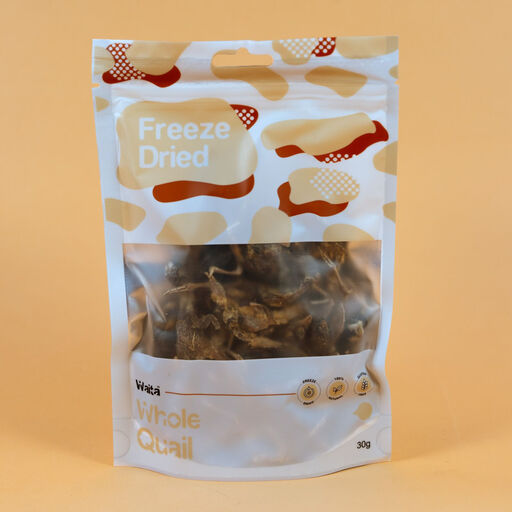
Why This Fits Their Persona: A useful choice for owners rotating away from commonly fed chicken or beef and looking for whole-prey-style enrichment.
The whole-prey format is clearly described as 100% quail with no additives, including muscle, bone and organs.
At least 50% crude protein and no more than 6% moisture; whole pieces can be offered for supervised enrichment.
We have compiled a complete, real-time list of products that fully satisfy these strict selection criteria and UK safety regulations.
Many are suitable for both cats and dogs, but suitability depends on the product, ingredient and animal. Check the label for age guidance, serving amounts and warnings. Treats should complement, not replace, a nutritionally complete diet.
Unopened or properly resealed freeze-dried treats generally follow the storage instructions on their packaging rather than requiring refrigeration. Keep them cool and dry, protect them from moisture and refrigerate any rehydrated portion only if the label permits it.
Yes, products such as salmon, krill and capelin can be flaked over meals where the feeding instructions allow this. Reduce other treats or food if necessary so your pet’s total daily intake remains appropriate. For pets on a veterinary diet, ask your veterinary practice before adding omega-3 pet supplements or new high-protein treats for cats and dogs.