
24/7 全天候客户支持

免费退货

当日/次日达

品质保障

开启新人专享福利: 全场免邮 | 低至 2 折 | 免费试用 30 天 JoyPlus 会员
下载 Joybuy
By Joybuy Product Recommendation Officer
Freezer bags can make batch cooking, bulk shopping and leftover storage much easier—but the wrong pack can create mess, wasted food and unnecessary spending. A thin bag may split around bones or frozen edges, while an oversized pack can take up valuable freezer space without being practical for everyday portions.
Before buying, look beyond the number of bags on the front of the pack. The material, dimensions, closure and intended use all affect how well a bag performs in a busy UK kitchen.
A roll of 450 bags may appear economical, but it is only good value if the size matches your routine. Small bags are useful for individual portions, chopped vegetables and leftovers, whereas large freezer bags are more suitable for loaves, family meals and larger cuts of meat.
Buying one size for every task can also lead to overfilling. A tightly packed bag is harder to seal and more likely to split or leak.
Standard food storage bags are not automatically designed for freezing. Low temperatures can make unsuitable plastic brittle, particularly when contents expand or have sharp edges. Look for wording such as freezer-safe, along with the recommended use instructions.
Also check whether the bag is intended for single use or reuse. A reusable freezer bag may be practical for dry, non-greasy foods, but it should be washed and dried thoroughly before another food-storage use.
A zip freezer bag, tie-top polythene freezer bag and self-sealing bag each work differently. A closure is only useful when it runs fully across the opening and can be pressed or fastened securely. Liquids such as soup and sauces should be cooled first, placed upright where possible and given room for expansion.
No bag can compensate for poor preparation. Excess air, overfilling and sharp bones can all increase the risk of leakage or freezer burn.
Heavy-duty freezer bags made from thicker polythene or heavyweight plastic are more suitable for meat, poultry, seafood and bulk portions. Thickness helps resist tearing, but it does not make a bag puncture-proof. Wrap sharp or bony items carefully and avoid forcing them into a tight opening.
For everyday portions, standard freezer-safe bags may be sufficient. For long-term storage or frequent handling, prioritise a durable construction and a closure that feels secure.
Measure the available drawer or shelf space before choosing large freezer bags. Common uses include:
A 23 x 33cm bag, for example, offers more room for bulky food than an 18 x 23cm option. However, the larger size may be less convenient if your freezer is made up of narrow drawers.
A strong zip or seal helps limit air and moisture exposure, which can reduce the risk of freezer burn. Press out excess air before closing, but leave space for foods and liquids to expand as they freeze.
A writable panel, label or simple piece of freezer tape can help you record the contents and date. This supports stock rotation and makes it easier to use older portions first.
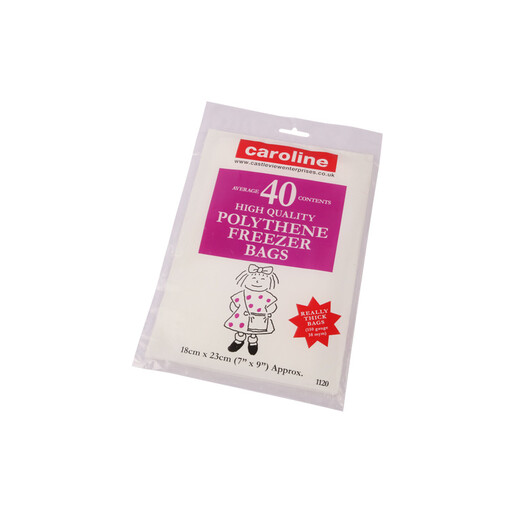
Why This Fits Their Persona: A compact pack for households starting to portion leftovers, vegetables and everyday ingredients without committing to oversized bags.
The 18 x 23cm format helps reduce overfilling, while the heavy-gauge polythene construction is designed for freezer use.
40 bags per pack; compact dimensions for individual portions and organised freezer drawers.
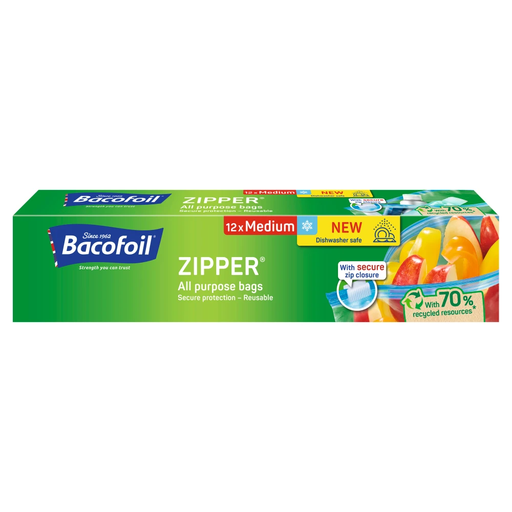
Why This Fits Their Persona: Suitable for shoppers who value a reusable format, easy filling and a secure closure for meal prep and leftovers.
The zip-tight seal and stand-alone base address common problems with spilling and incomplete closure during filling.
3L capacity; dishwasher-safe design and stated reuse of up to 10 times.
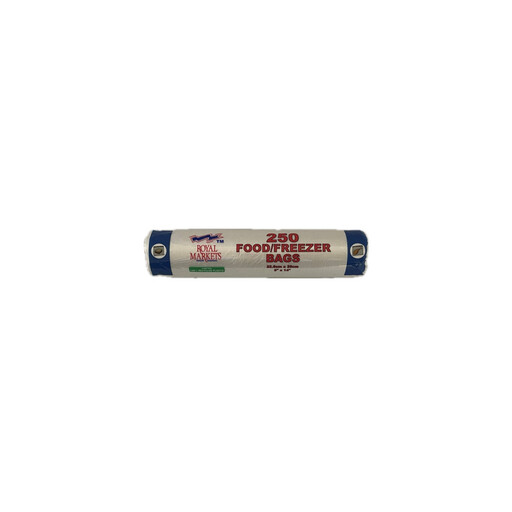
Why This Fits Their Persona: A high-quantity option for caterers, small food businesses, large households and people who freeze portions frequently.
The heavyweight format is specified for freezer storage, while the 9 x 14-inch size suits meat, vegetables and portioned food.
250 bags on a roll; moisture-locking and frost-resistant construction listed for freezer use.
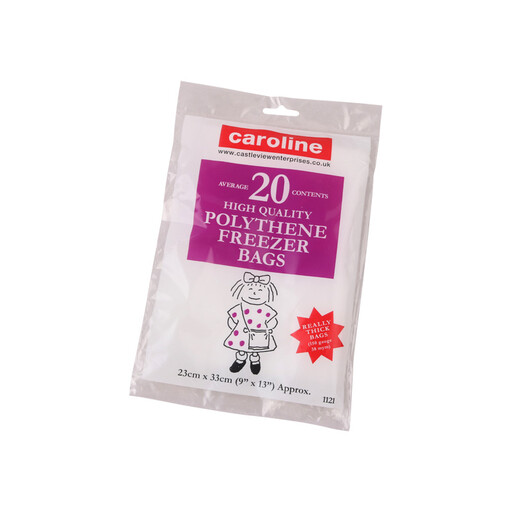
Why This Fits Their Persona: Spacious bags for family-sized meals, loaves, larger cuts of meat and bulk-cooked food.
The generous dimensions reduce the need to force bulky items into several undersized bags; leave expansion room when sealing.
20 bags per pack; thick, tear-resistant polythene and a reusable seal listed in the product details.
We have compiled a complete, real-time list of products that fully satisfy these strict selection criteria and UK safety regulations.
Some are. Reusable freezer bags generally have a stronger zip closure and washable construction, but the manufacturer’s instructions should be followed. Dry bags completely before reuse and consider using them for non-greasy foods or non-food storage after their first use.
The safe storage period depends on the type of food, freezer temperature and food-safety guidance. The bag helps protect against moisture loss and freezer burn, but it does not extend food safety indefinitely. Label portions with the freezing date and rotate them regularly.
They can be, provided the contents are cooled first and the bag is suitable for liquids. Do not fill to the top because liquid expands when frozen. Seal securely, place the bag upright in a container until solid, then store it flat or stacked if appropriate.