
24/7 Customer Support

Free returns

Same-day & Next-day Delivery

Quality Guaranteed

Unlock Your Welcome Offers: FREE Delivery | Up to 80% OFF | Free 30-day JoyPlus trial
Download the APP
Freezer bags can make batch cooking, portioning and freezer organisation much easier, but low prices and bold packaging claims do not always tell the full story. The right choice depends on how you store food, how often you use bags and whether you prioritise convenience, durability or reduced single-use waste.
Before buying freezer bags, watch for three common pitfalls:
Select the bag according to the food and portion size rather than buying one universal format. Small freezer bags around 18 x 23cm are suitable for individual servings, chopped ingredients, sandwiches and snacks. They can also help meal-preppers divide cooked food into manageable portions.
For larger portions, look for large freezer bags with stated dimensions or capacity. The d2w Symphony Environmental option is listed with a 10L capacity and measures 225 x 355mm, making it more suitable for bulk portions of meat, seafood, fruit and vegetables.
Flat storage is useful when freezer space is limited. Pressing excess air from the bag before sealing can help create a flatter pack and reduce unnecessary frost exposure. However, leave room for foods and liquids that may expand as they freeze.
For heavy-duty freezer bags, thickness and tear resistance are important. Heavy-gauge polythene can be useful for foods with sharp edges, larger portions or repeated handling. A food-safe claim should be supported by clear packaging information, and bags should be used only within the temperature range stated by the manufacturer.
When shopping for food storage bags, look for:
Do not use freezer bags in a microwave, oven or conventional cooker unless the product specifically says they are suitable. Freezer bags are designed for cold storage, not cooking.
Zip seal freezer bags are convenient for frequent access and can help reduce leakage when closed correctly. A writable panel is useful for recording the food name, portion size and freezing date.
Disposable bags can be practical for regular batch cooking, catering preparation or storing raw ingredients. Reusable freezer bags may suit households trying to reduce consumption, but check how they should be washed and whether they are suitable for oily, strongly scented or liquid foods.
A bag that is reusable “up to” a stated number of times still needs to remain intact and hygienic. Discard it if the seal, seams or surface show signs of damage.
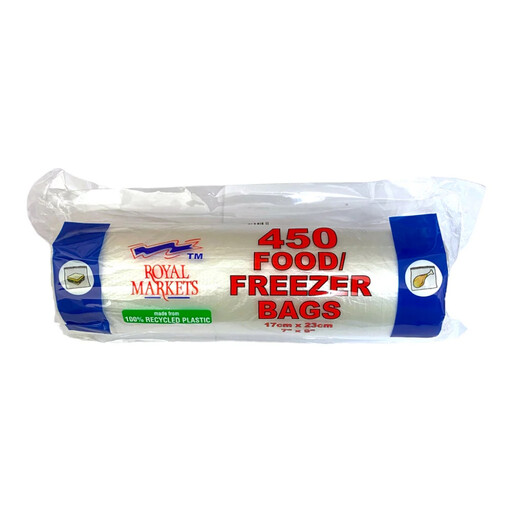
Why This Fits Their Persona: The roll of 450 compact bags suits households that freeze individual portions, leftovers, vegetables and snacks regularly. The smaller 7 x 9 inch format can be easier to organise in crowded UK freezer drawers.
The stated dimensions and quantity make it easier to judge cost per bag instead of relying on an unclear “value” claim.
450 bags per roll; heavyweight plastic construction and a compact 7 x 9 inch size for small portions.
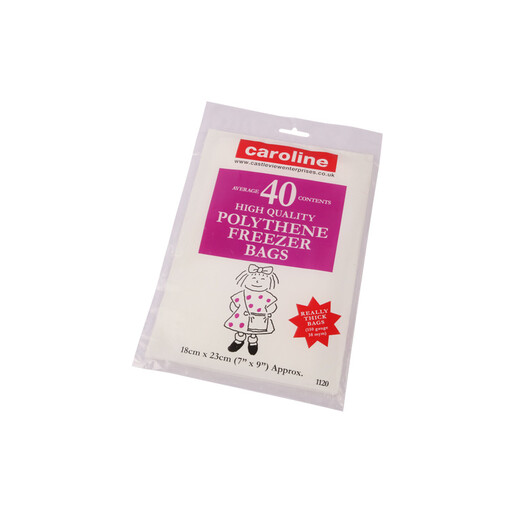
Why This Fits Their Persona: This pack suits shoppers who want a clearly specified everyday bag for batch cooking, leftovers and mixed household storage, with a heavier-gauge format for regular use.
The 18 x 23cm measurement and 40-bag quantity provide practical information before purchase, while the tie-secure design avoids relying on an unspecified zip mechanism.
Heavy-gauge polythene; moisture-retaining and frost-resistant design; suitable for food portioning and storage.
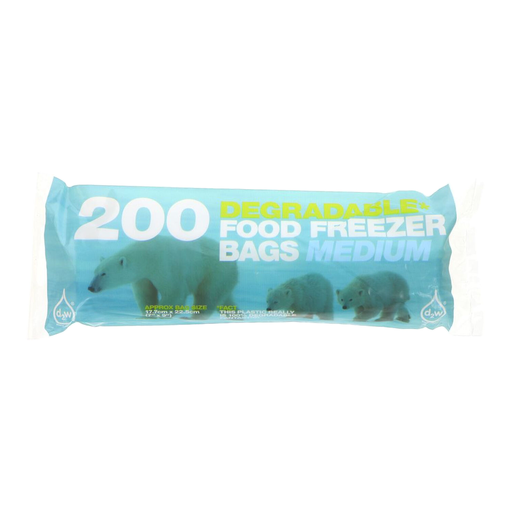
Why This Fits Their Persona: The large format is aimed at households, home cooks and small catering operations that freeze substantial portions of meat, seafood, fruit or vegetables.
Its listed capacity, dimensions and stated -20°C to -40°C range offer more useful detail than a general “freezer safe” label. Confirm the pack quantity on the product page before ordering.
10L bags measuring 225 x 355mm; zipper seal and writable labelling area; the product description states that d2w technology is designed to support faster breakdown in specific disposal environments.
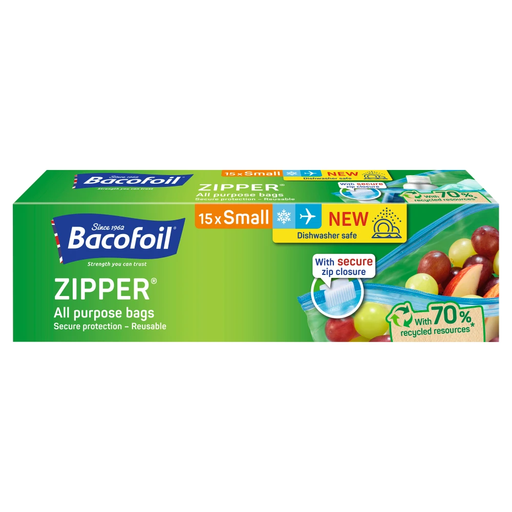
Why This Fits Their Persona: The 1L stand-alone bags work well for lunches, sauces, leftovers and smaller freezer portions, particularly when you prefer a resealable format for repeated access.
The stated reuse limit of up to 10 uses is more informative than an unqualified reusable claim. Wash and inspect each bag as directed, and do not use it in an oven or microwave.
1L capacity; zip-tight closure; flexible stand-alone base; made with recycled resources and dishwasher safe according to the product description.
We have compiled a complete, real-time list of products that fully satisfy these strict selection criteria and UK safety regulations.
Follow these steps to improve storage results and reduce avoidable waste:
They can be worthwhile for households that use small portions regularly and are prepared to wash and dry bags thoroughly. Compare the purchase price with the stated reuse limit, cleaning instructions and the type of food you store. For raw meat, oily foods or strong odours, disposable freezer bags may be more convenient.
Freezer burn is associated with moisture loss and exposure to cold, dry air. A suitable bag can reduce this exposure when it is properly sealed and excess air is removed. Freezer bags for preventing freezer burn cannot guarantee that food will remain unaffected indefinitely, so airtight packing, stable freezer temperature and sensible storage periods still matter.
Do not assume they can. Many freezer bags are intended only for cold storage. Check the product instructions carefully; the Bacofoil product listed here specifically warns against use in a microwave, combination oven or conventional oven.