
24/7 全天候客户支持

免费退货

当日/次日达

品质保障

开启新人专享福利: 全场免邮 | 低至 2 折 | 免费试用 30 天 JoyPlus 会员
下载 Joybuy
Freezer bags are useful for batch cooking, leftovers, bulk shopping and portioning food, but the wrong type can quickly become a source of leaks, wasted space and freezer burn. UK households also need to consider whether a bag is genuinely suitable for freezer storage, rather than assuming that every food storage bag can withstand low temperatures.
Before buying, look beyond the number of bags in a pack. Material thickness, closure design, dimensions and care instructions have a direct effect on everyday performance.
A large pack may look economical, but small bags are not practical for family-sized portions, loaves of bread or batch-cooked meals. Conversely, oversized bags can waste freezer space when you are storing individual servings.
Check the flat dimensions and consider what you normally freeze:
A pack of 250 bags may suit a catering business or a household that freezes food frequently, while a smaller pack can be more sensible for occasional use.
A zip closure is only useful if it closes evenly across the full width. Overfilling, trapped food particles or liquid pressing against the seal can cause leaks. Stand-up designs and slider zips can make filling easier, but they do not remove the need to close the bag carefully.
For soups, sauces and marinades, leave expansion room and place the sealed bag in a tray while freezing. This helps contain spills if the seal has not been closed properly.
Reusable freezer bags can reduce the number of bags you buy, but they need thorough washing and complete drying between uses. Some are unsuitable for greasy foods, sharp bones or high-moisture contents. Disposable polythene freezer bags may be more convenient for raw meat or foods that are difficult to clean from the inside.
Always read the product instructions. Freezer-safe does not automatically mean microwave-safe, oven-safe or suitable for hot food.
Heavyweight polythene freezer bags are designed for cold storage and are generally flexible enough to handle routine portioning. Thicker construction can help reduce punctures and limit air exposure, although careful packing and sealing remain important.
Some reusable freezer bags use a multi-layer composite such as PET, aluminium and PE. Aluminium foil storage bags can block light and help reduce odour transfer, while the inner plastic layer supports moisture resistance. Check the stated temperature range: the Maxcook options supplied here specify -20°C to 100°C, but they are not intended for ovens, microwaves, boiling water or open flames.
Tie-top freezer bags are straightforward and useful for everyday storage, provided they are secured tightly. Zip freezer bags offer a more repeatable closure, and slider seals can be easier to operate when your hands are full.
For bags for preventing freezer burn, remove as much air as practical before sealing. Freezer burn is associated with moisture loss from food exposed to cold, dry air. A well-sealed bag can reduce exposure, but it cannot compensate for food being stored indefinitely or a bag that has been punctured.
Use the dimensions rather than vague labels such as “large” or “family size”. A 28 x 35cm bag offers a different fit from an 18 x 23cm bag, even if both are marketed for general freezing.
Writable label areas are useful for meal prep bags and food portioning bags. Mark the contents and date before placing them in the freezer. Store flat where possible, then stack or file upright once frozen to make better use of drawer space.
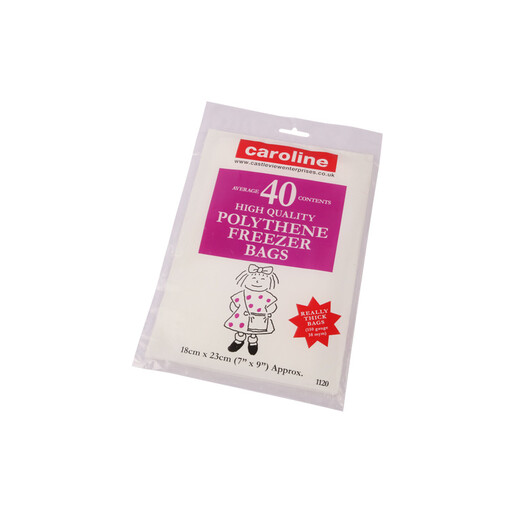
Why This Fits Their Persona: A practical size and 40-bag pack for smaller households, first-time meal preppers and routine storage of individual portions.
The stated 18 x 23cm dimensions make capacity easier to judge than a generic small or medium label.
Heavy-gauge polythene construction; pack of 40; suitable for portioning and freezer storage.
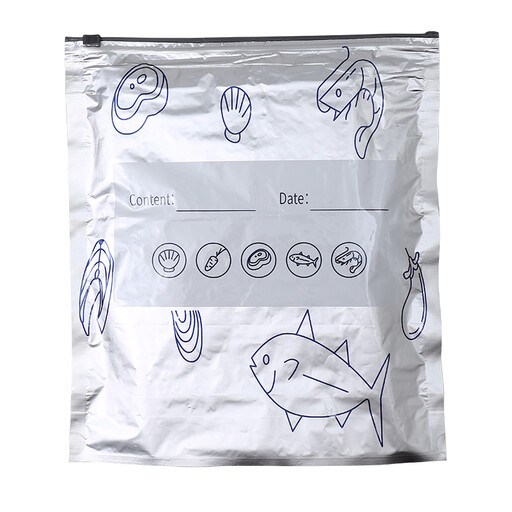
Why This Fits Their Persona: Suitable for shoppers who value a structured pouch, light-blocking outer layer and a written contents-and-date area.
The slider zipper and stand-up format address uneven sealing and messy filling. It is not suitable for heating.
26 x 29 x 7cm size; PET, aluminium and PE construction; stated -20°C to 100°C range.
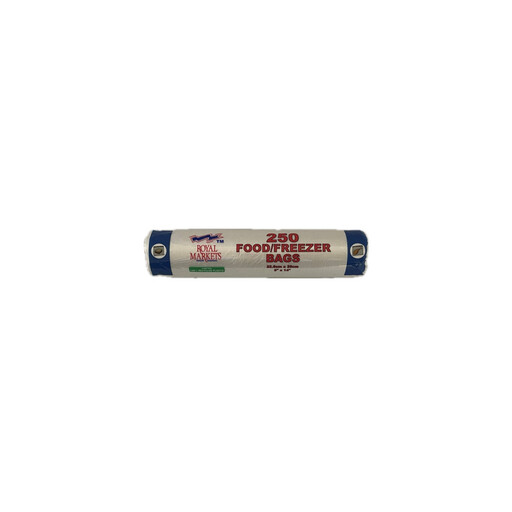
Why This Fits Their Persona: A high-quantity option for bulk food shoppers, busy families, small catering operations and frequent batch cooking.
The roll format provides a clearly stated 250 bags, avoiding uncertainty about pack quantity for regular users.
9 x 14-inch format; heavyweight plastic; designed for meat, vegetables, leftovers and portioned food.
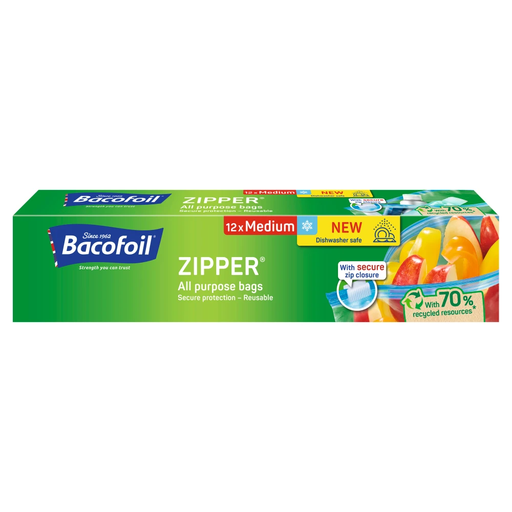
Why This Fits Their Persona: A 3L format for shoppers who want freezer storage with a standalone base and the option to wash and reuse selected bags.
The zip-tight closure and flexible base help with filling and sealing, while the care guidance makes reuse expectations clearer.
3L capacity; dishwasher safe; stated reusable use of up to 10 times; suitable for freezing.
For a dedicated ice-making solution, ice cube bags with a self-sealing design can help keep water contained while producing multiple cubes per bag. They should be handled according to their specific instructions and kept away from children.
We have compiled a complete, real-time list of products that fully satisfy these strict selection criteria and UK safety regulations.
They can be useful if you freeze food regularly and are prepared to wash and dry them properly. Reusable bags may suit bread, vegetables, fruit and prepared portions, but disposable bags can be more convenient for greasy foods, raw meat or items that may puncture the material. Compare the purchase price with the number of realistic reuses rather than relying on environmental wording alone.
Match the bag to the portion you normally freeze. Around 18 x 23cm is suitable for smaller servings, while 23 x 33cm or 28 x 35cm gives more room for family portions and batch cooking. Large 30 x 45cm bags are more suitable for bulky food. Avoid filling any bag to the seal, particularly when storing liquids.
Remove excess air, close the seal across its full length and avoid puncturing the bag with bones or sharp packaging. Label food with the date and rotate older items forward. A thicker bag or an aluminium-lined pouch can provide a more substantial barrier, but correct packing and sensible storage times remain important.