
24/7 Customer Support

Free returns

Same-day & Next-day Delivery

Quality Guaranteed

Unlock Your Welcome Offers: FREE Delivery | Up to 80% OFF | Free 30-day JoyPlus trial
Download the APP
Opening your freezer to find your carefully prepared meals or bulk-bought bargains covered in ice crystals is a common frustration. Freezer burn not only ruins the texture and flavour of food but also contributes to household food waste. The solution often lies in a simple kitchen staple: the right freezer bags.
Choosing the correct bag for the job can make a significant difference in keeping food fresh, organising your freezer space and making meal prep more efficient. This guide will walk you through the key features to consider and offer some practical recommendations to help you find the ideal food bags for freezing for your household needs.
With various materials, seals and sizes available, it can be tricky to know which option to choose. Here are a few key points to consider before you buy.
The type of seal is crucial for creating an airtight environment that protects food from air and moisture.
Not all plastic bags are created equal. Standard sandwich bags are too thin for the freezer and will not prevent freezer burn. Look for bags specifically labelled for freezer use. Heavy duty freezer bags are made from thicker, more durable polythene that resists tearing and puncturing, even when storing items with sharp edges like bones or shellfish. Some reusable freezer bags use multi-layer composite materials, sometimes including an aluminium layer, to offer an even greater barrier against light, moisture and odours.
Your choice may also depend on how you plan to use the bags.
Here are a few options available on Joybuy that cater to different needs, from bulk storage to sustainable meal prepping.
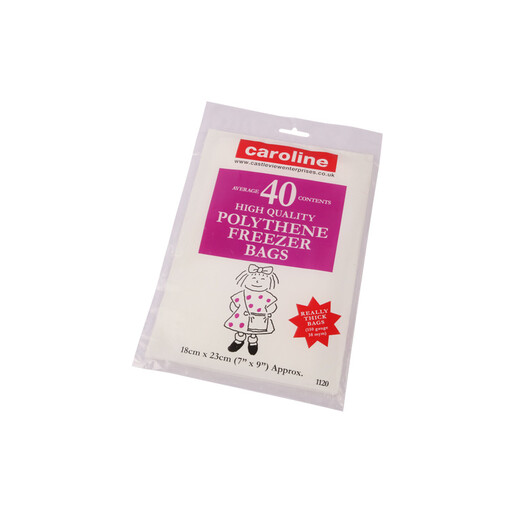
Why It Stands Out: These bags are a straightforward, reliable choice for everyday freezing tasks. Made from heavy-gauge polythene, they are designed to be tough and resistant to tearing. Their primary function is to retain moisture and block frost, helping to preserve the quality of your food during long-term storage.
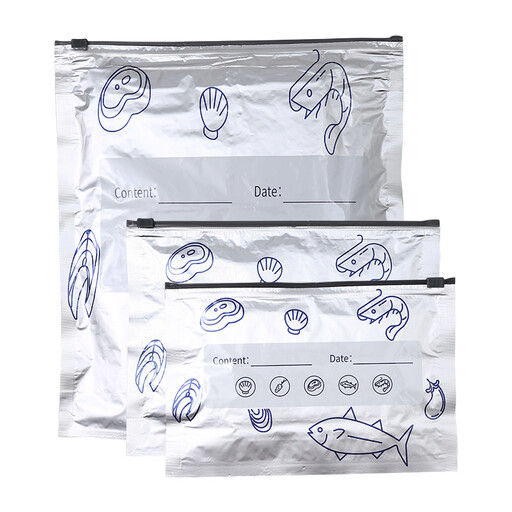
Why It Stands Out: These are advanced reusable freezer bags designed for superior food preservation. The multi-layer construction includes an aluminium foil layer that blocks light to reduce oxidation, making them particularly good for delicate items like seafood. The easy-to-use slider provides an airtight, leakproof freezer bags seal, and the stand-up design makes them simple to fill.
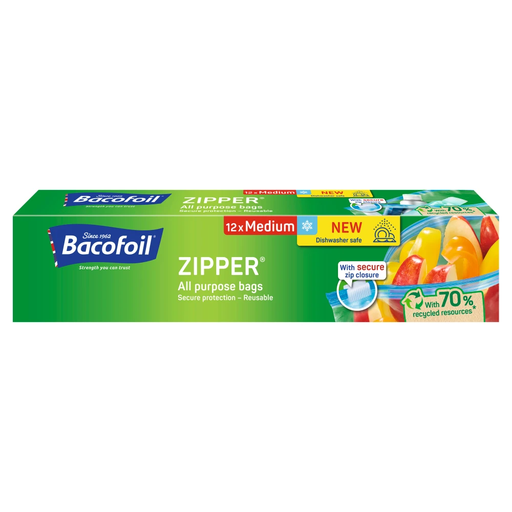
Why It Stands Out: From a well-known kitchen brand, these bags offer a great balance of convenience and reusability. The zip-tight closure gives an audible "click" to confirm it is sealed, and the tear-resistant material can be washed and reused up to 10 times. A standout feature is the flexible stand-alone base, which prevents tipping and spills while you fill it.
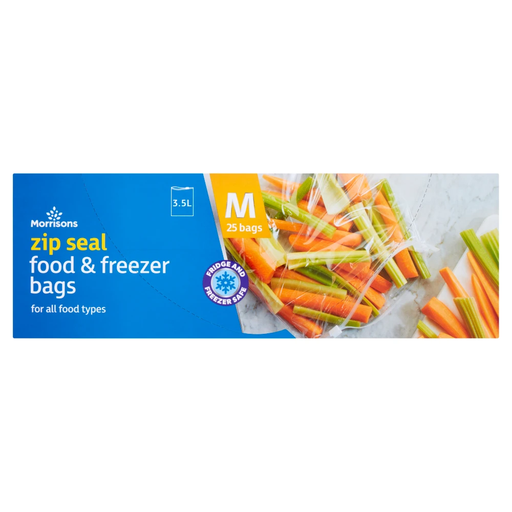
Why It Stands Out: These bags provide a practical and affordable solution for everyday kitchen use. The secure zip closure creates an airtight seal to lock in freshness, while the write-on panel makes it easy to label contents and dates—a simple but effective way to manage your freezer inventory and reduce waste.
If you are searching for different sizes, seal types or materials, there are many more choices to explore.
? Browse our complete collection of zip lock bags to find the perfect fit for your kitchen.
Freezer burn is caused by air exposure. The most effective way to prevent it is to remove as much air as possible from the bag before sealing it. For zip or slider bags, press the air out as you close the seal. For tie-top bags, squeeze the bag gently from the bottom up before tying it tightly. Using heavy duty freezer bags also provides a better barrier against air and moisture.
Yes, many freezer bags are designed for reuse. Bags made from thicker plastic or composite materials, like the Maxcook and Bacofoil options above, can be washed with soap and warm water, then air-dried completely before being used again. However, it is generally recommended to avoid reusing bags that have held raw meat, fish or eggs to prevent cross-contamination.
The main difference is the material's thickness and durability. Freezer bags are made from thicker plastic that is less brittle at low temperatures. This helps them resist cracking and provides a stronger barrier against air and moisture, which is essential for preventing freezer burn and preserving food quality over several months. Standard storage or sandwich bags are much thinner and are not suitable for long-term freezing.