Households with a seasonal berry harvest
If berries arrive in a short glut, allow space both for freezing them loose and for storing the labelled bags afterwards. A chest freezer is worth comparing when flexible bulk storage is the priority.


Choose a chest freezer if a large seasonal harvest and flexible space for bags matter more than quick access to individual portions. A tall upright makes berries easier to separate from everyday frozen food; an integrated freezer is an option only if its dimensions and hinges fit your kitchen. For any format, check the exact model’s capacity, layout, freezing features and suitability for its intended location.
If berries arrive in a short glut, allow space both for freezing them loose and for storing the labelled bags afterwards. A chest freezer is worth comparing when flexible bulk storage is the priority.
If you reach for berries alongside other frozen ingredients throughout the week, an upright freezer’s separate compartments can make portions easier to find and rotate.
An integrated replacement must fit its cabinet and door hinges. For a garage or outbuilding, check the exact freezer’s stated ambient-temperature range rather than assuming an indoor model will suit the space.
Let the harvest size and how often you retrieve berries guide the format, then check whether the model will fit and operate in its intended location.
Choose when: A concentrated harvest or bulky bags need flexible open storage.
Trade-off: Bags can be harder to find beneath other food, so plan how you will separate and rotate them.
Choose when: You regularly take out small portions and want berries apart from other frozen food.
Trade-off: Drawers organise portions but constrain the size and shape of bags or containers.
Choose when: The freezer needs to sit behind an existing fitted-kitchen door.
Trade-off: Cabinet dimensions and the fixed or sliding hinge arrangement limit which replacements will fit.
| Concern | What to check | Who this matters to |
|---|---|---|
| Harvest capacity | Compare frozen-compartment litres and the space available for bags and family meals; measure the footprint and lid clearance for a chest model. | When berries arrive at once, I need room to store the harvest without displacing everyday food. Around 33% of consumers would put harvest capacity first. |
| Portions and access | Look at the drawer or basket layout, and allow room to freeze berries loose before bagging them. | If I use berries frequently, I want dated portions I can find without moving everything else. For around 27% of consumers, easy access would be the primary need. |
| Freezing and upkeep | Check exact-model freezing information, whether it has a fast-freeze function, and whether defrosting is manual or frost-free. | When I add fresh berries in batches, I want to understand how the freezer handles new food and how much upkeep it needs. Around 20% of consumers would prioritise freezing convenience. |
| Fit and location | Check dimensions and hinges for a fitted kitchen, the permitted ambient range for an outbuilding, and the exact model’s energy information. | If the freezer must fit a particular cabinet or cold outbuilding, I need to establish that it suits the spot before choosing a capacity. Placement and running-cost information would come first for around 20% of consumers. |
Two freezers with useful-looking capacities can organise the same bags and containers differently. Open chest storage and upright drawers also change how easily you can reach older portions.
Check the internal layout as well as the stated frozen-compartment volume, and decide where dated berry bags will go.
A model’s permitted ambient temperatures matter when the intended space gets cold. Beko’s stated low-temperature capability applies to selected FreezerGuard models, not every freezer.
Match the exact model’s documented operating range to the temperatures expected at its intended location.
Fast Freeze and frost-free describe functions, but their names alone do not tell you how much fresh food a particular model can freeze or how its storage layout will work for you.
Compare exact-model freezing information, defrosting method and energy information alongside the features.
An integrated freezer needs to match its housing and door-hinge arrangement; a suitable-looking appliance may not fit the existing kitchen installation.
Measure the cabinet, establish whether it uses fixed or sliding hinges, and check the installation and old-appliance-removal arrangements before ordering.
Installation and removal can involve additional services.
Relevant if you are comparing chest and tall upright formats, particularly for a garage or outbuilding.
Relevant if an upright freezer with organised storage is your preferred format.
Relevant if you need an integrated tall freezer for a fitted kitchen.
These choices cover chest freezers for bulk berry storage and one tall upright for separating frequently used portions. Compare their formats first, then check each model’s placement and maintenance requirements.
 No image available
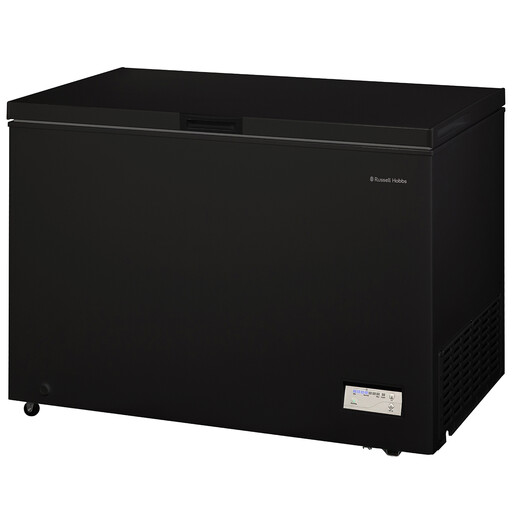
Consider this freestanding chest format if you need open storage for a larger seasonal harvest. The product name states 297 litres; check the internal layout, defrosting requirements and permitted ambient temperatures for your intended location.
 No image available
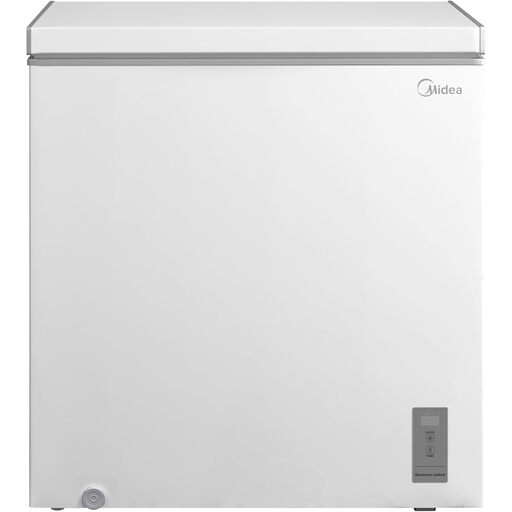
This chest format may suit a harvest stored in bags alongside other frozen food. The product name states 198 litres and energy class E; check the defrosting method, exact-model energy information and operating range if placing it outside the kitchen.
 No image available
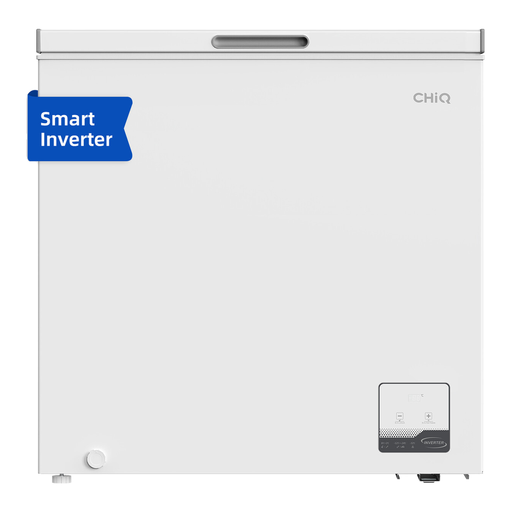
Consider this chest format for bagged berries when open bulk storage suits your routine. Its product name states 199 litres and energy class E; compare the exact model’s defrosting method and freezing information rather than judging batch performance from a function name.
 No image available
This chest format is worth considering when a substantial harvest calls for flexible bulk storage. Its product name states 300 litres; allow for manual defrosting, and check the exact model’s energy label and included baskets before choosing it.
 No image available
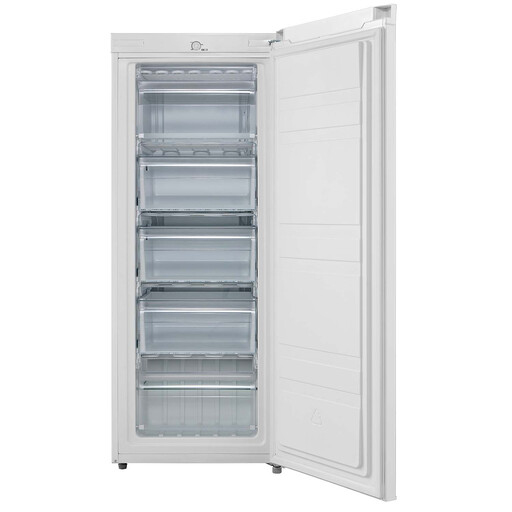
Choose an upright layout if finding separate berry portions matters more to you than open chest storage. The product name states 160 litres, an adjustable thermostat, a reversible door and energy class E; confirm the external dimensions and defrosting method for your space and routine.
Freeze the berries loose before transferring them to a freezer bag, as Waitrose & Partners advises. Label and portion the bags so you can take out what a family meal needs.
It is a feature to consider if you regularly add batches of fresh berries to an already stocked freezer. Check the exact model’s freezing information too: a Fast Freeze or Super Freeze label alone is not a measured batch-freezing capacity.
No; choose according to the exact model’s permitted ambient-temperature range and the conditions in that space. Beko states that selected FreezerGuard models operate at temperatures as low as -15°C, but that claim does not apply to every freezer.
Match the replacement to the cabinet dimensions and existing door-hinge arrangement. Establish whether the kitchen uses fixed or sliding hinges before ordering, and check the arrangements for installation and removal.
Compare the energy label for each exact model, rather than assuming capacity or format tells you its energy use. For in-scope products in Great Britain, guidance from the Department for Energy Security and Net Zero and the Office for Product Safety and Standards requires an energy label at the point of sale.