Regular batch bakers
If you freeze several batches at once, you need room to separate portions by flavour, size and date. Check whether an upright freezer’s drawers accommodate the bags or tubs you actually use.


For occasional small batches of biscuit dough, start with the freezer compartment you already have if the packed portions fit. If you regularly freeze several labelled batches, a dedicated upright freezer offers a way to separate them; a chest freezer is worth considering when storage volume matters more than quick access to individual portions. Whichever format you choose, check temperature guidance, container fit, energy information and suitability for its installation site.
If you freeze several batches at once, you need room to separate portions by flavour, size and date. Check whether an upright freezer’s drawers accommodate the bags or tubs you actually use.
A few portions may fit in an existing fridge-freezer compartment. Before adding another appliance, check the available frozen space, the size of your packed dough and where a second freezer could stand.
If extra storage must go outside the heated kitchen, check the exact model’s permitted ambient-temperature range. Which? cautions that most freezers are designed for rooms that do not get colder than 10°C.
Consider it when: You freeze small batches occasionally and can leave enough room for everyday food.
Trade-off: You avoid a second appliance, but dough portions share limited space with other frozen items.
Consider it when: You regularly freeze portions that you want to label, separate and retrieve.
Trade-off: Drawers can divide storage, but their dimensions may restrict larger tubs or trays, and another appliance uses floor space and electricity.
Consider it when: You need substantial frozen storage for dough alongside other batch-cooked food.
Trade-off: Plan how you will label and reach small portions in a deep storage space, and allow room to open the lid.
| Concern | What to check | Who this matters to |
|---|---|---|
| Freezing temperature | Check the temperature controls and the manual’s operating guidance; consider how you will check the temperature in use. | I want newly portioned dough to freeze and remain properly frozen, rather than relying on the appliance’s size as reassurance. Around 36% of consumers put dependable freezing first. |
| Portion organisation | Compare drawer or basket dimensions with your packed bags, tubs or trays. | When several flavours or preparation dates are stored together, I need to find the right portion without shifting everything else. Roughly 29% of consumers prioritise keeping portions organised. |
| Space and location | Measure the installation space and door clearance; for a cold room, check the exact model’s permitted ambient range. | My available spot may be narrow or unheated, so an appliance has to fit there and be suitable for that environment. Around 21% of consumers place fit and location first. |
| Energy and upkeep | Compare the energy label’s stated use alongside capacity, and check how the model is defrosted. | If I add a freezer for dough, I want its ongoing electricity use and defrosting routine to suit how often I bake. About 14% of consumers make running demands and upkeep their main concern. |
A freezer can fit its allotted space yet have drawers too small for your preferred dough tubs or trays.
Measure packed portions, compare internal storage dimensions and allow enough clearance to open the door or lid.
Which? warns that most freezers are intended for rooms no colder than 10°C; an unsuitable appliance in a cold room could malfunction and allow food to defrost.
For an unheated location, check the exact model’s permitted ambient-temperature range in the manufacturer’s documentation.
Energy Saving Trust advises comparing appliances on a like-for-like basis: a larger appliance can use more energy than a smaller one with the same rating.
Read the stated energy use alongside frozen capacity, then decide how much space your usual batches require.
Freezing dough does not remove the need to handle ingredients appropriately or follow relevant thawing guidance. Food Standards Agency guidance on use-by dates concerns pre-packed food, not a universal storage period for homemade dough.
Portion and label prepared dough promptly, use clean food-safe packaging and follow guidance suited to the recipe and its ingredients.
Beko’s freezer range includes models marketed with Frost Free technology.
Bosch presents its freezer range for batch cooking and extra frozen storage, including No Frost options.
Liebherr describes NoFrost and adaptable storage options within its freezer range.
These dedicated upright and chest freezers are options to investigate if your dough batches need more space than an existing compartment provides. Compare their installation format and stated features with your portion sizes and intended location.
 No image available
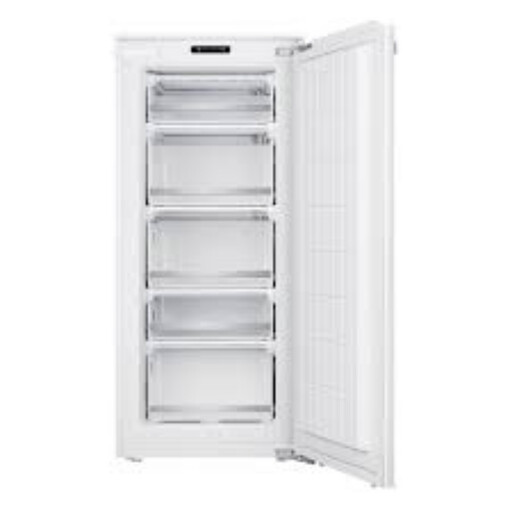
Consider this integrated format if regular dough batches call for separate frozen storage within a fitted kitchen.
Check cabinet and installation dimensions, then confirm that your packed portions fit and the temperature controls meet your needs.
 No image available
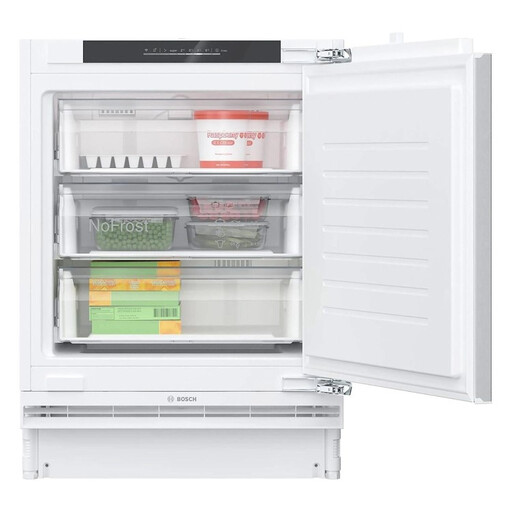
Consider this built-under freezer if you want dedicated storage for smaller, regularly portioned batches in a fitted space.
The product name specifies No Frost and an E energy rating. Check the installation instructions, cabinet fit and internal dimensions before deciding whether your containers will work with it.
 No image available
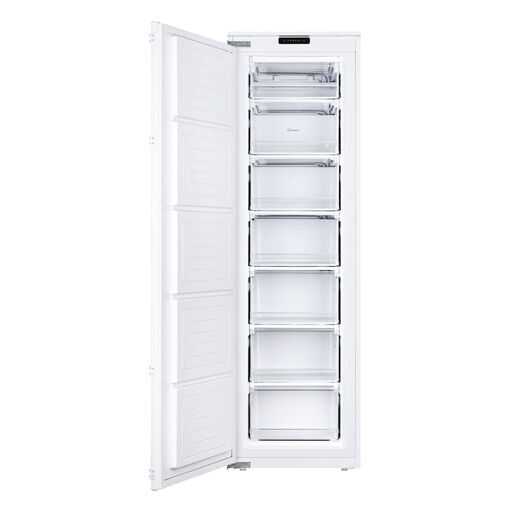
This tall integrated format is worth considering if you freeze multiple batches and have a suitable fitted space.
The product name specifies an E energy class. Check the cabinet dimensions, the space available for your portions and the model’s defrosting instructions; its listing specifies manual defrosting.
 No image available
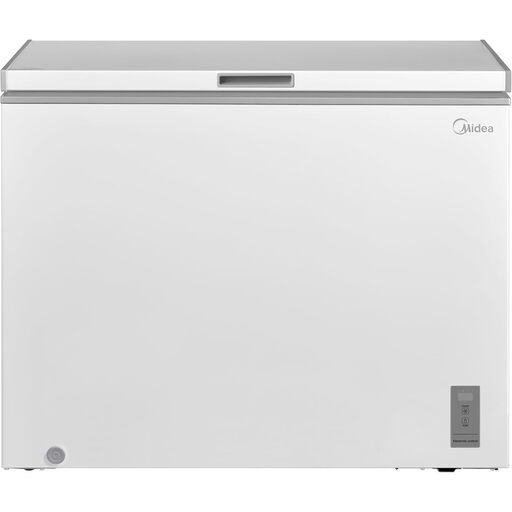
Consider the 249L chest format if you freeze substantial quantities of dough alongside other food and have floor space for it.
Plan how you will label and reach individual portions. If the freezer will stand in a garage or cold room, confirm the exact model’s permitted ambient-temperature range in its documentation.
 No image available
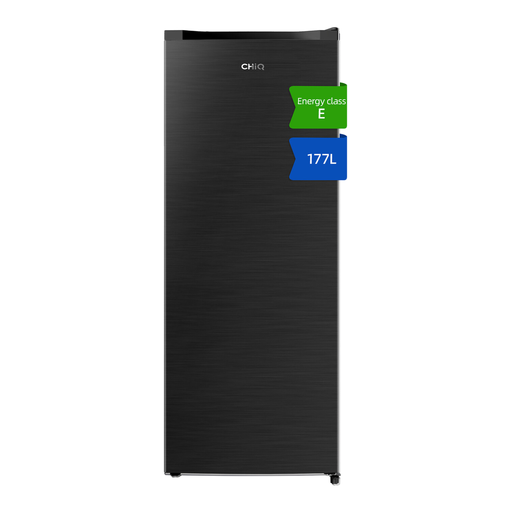
Consider this upright model when you want dedicated dough storage in a relatively narrow available space.
Joybuy UK describes it as 54cm wide, 55cm deep and 144cm tall. Measure door clearance and check the internal storage dimensions against your packed portions.
Check the appliance’s controls and follow its manual so the dough remains properly frozen. Which? says food needs to be kept below −16°C to preserve it; Cambridge University Hospitals NHS Foundation Trust advises −18°C or below in its food-safety guidance for people at increased risk of infection. A freezer’s size or feature name alone does not establish its temperature in use.
The Food Standards Agency says pre-packed food can be frozen up to its use-by date and should be consumed within 24 hours after defrosting. That guidance does not set a universal storage period for homemade biscuit dough. Label prepared dough with its preparation date and follow guidance for the recipe’s ingredients and thawing method.
No: frost-free is primarily a maintenance consideration, not a requirement specific to biscuit dough. Beko, Bosch and Liebherr describe frost-management options in their ranges; check whether the exact model has the feature, then compare its storage fit and energy information.
Choose a freezer for an unheated garage only if its exact model documentation permits the temperatures expected there. Which? warns that most freezers are intended for rooms no colder than 10°C and that an unsuitable appliance could malfunction and allow food to defrost.
Compare stated energy use alongside capacity and the A-to-G rating, rather than choosing by the letter alone. Energy Saving Trust notes that appliance size affects energy use, so compare models that provide the amount of frozen storage you actually need.