Shared-kitchen portion organisers
If several people use the freezer, accessible drawers or agreed storage zones help keep labelled bags of carrots distinct from other food. Check the usable layout as well as the stated volume.


A freestanding under-counter freezer is a sensible starting point if it fits the kitchen and has enough separate storage for everyone’s labelled carrot portions. Choose an integrated model only when the housing and door fixing are compatible; consider a chest freezer for larger batches if there is room for it and everyone can reach their food easily.
If several people use the freezer, accessible drawers or agreed storage zones help keep labelled bags of carrots distinct from other food. Check the usable layout as well as the stated volume.
A limited appliance gap makes the installation route important. Check the freezer’s dimensions, door opening and ventilation instructions; an integrated model also needs compatible cabinetry.
Regular large batches may need more room than an under-counter freezer provides. Which? identifies chest freezers as an option for households that often run out of freezer space, though portion access still needs planning in a shared kitchen.
Decide where the freezer can go and how residents will divide its storage before comparing capacity or convenience features.
Consider it when: The kitchen has a suitable gap and needs dedicated storage without fitting an appliance into cabinetry.
Allow for: Limited room for large batches, and defrosting requirements that vary by model.
Consider it when: There is already a compatible appliance housing and a matching cabinet door is important.
Allow for: Model-specific housing, door-fixing and ventilation requirements; an integrated freezer may still need manual defrosting.
Consider it when: Large carrot batches regularly exceed the available upright-freezer space.
Allow for: Dedicated floor space and a basket-and-labelling system so smaller portions remain easy to find.
| Concern | What to check | Who this matters to |
|---|---|---|
| Separate storage | Usable volume and the arrangement of drawers or baskets; whether residents can agree on distinct zones. | If several of us share the freezer, I need to find my labelled carrot portions without moving someone else’s food. Around 29% of consumers put separate, accessible storage first. |
| Fit and access | Appliance dimensions, door swing and the model’s clearance instructions; cabinet and door-fixing compatibility if integrated. | In a tight kitchen, I need the door to open and the appliance to fit its intended space. Fit and installation are the primary concern for around 29% of consumers. |
| Running and upkeep | The exact model’s energy information, declared noise and defrost method. | When we share bills and maintenance jobs, I want to understand the freezer’s electricity use and who will deal with ice build-up. Around 21% of consumers prioritise running and upkeep. |
| Freezing routine | Space for sealed, labelled portions; whether any desired temperature warning or fast-freeze feature is present. | For frequent carrot batches, I need a routine that leaves portions clearly identified and ready to freeze promptly. That workflow comes first for around 21% of consumers. |
A volume figure does not show whether several people can find and retrieve their own portions without shifting other food.
Look at the drawer or basket layout and agree how storage will be divided. Love Food Hate Waste advises transferring carrots to sealed, labelled bags or containers for freezing.
An integrated appliance needs a suitable cabinet, door fixing and ventilation arrangement. A freestanding model’s dimensions cannot establish whether it will fit the same installation.
Measure the available space and check the installation instructions for the exact model, including the furniture-door arrangement.
An incompatible housing may require cabinet work or a different installation plan.
Which? notes that freezers with the same energy label can have different yearly running costs.
Compare the exact models’ energy information and use any running-cost comparison only when its assumptions are clear.
A freezer feature does not keep prepared carrots identifiable or replace appropriate handling before freezing.
Cool the blanched carrots appropriately, divide them into portions, seal and label them, then freeze promptly. Agree how everyone will keep their portions organised.
Beko has freestanding and integrated under-counter options worth comparing when installation type determines the choice.
The freestanding under-counter GTV15NWEBG provides model-specific figures for buyers comparing compact appliances.
IceKing lists compact under-counter options for households comparing appliance size and defrosting arrangements.
These options include under-counter models for smaller spaces, an integrated tall model and a chest freezer for larger batches. Match the installation type and storage layout to the shared kitchen before choosing.
 No image available
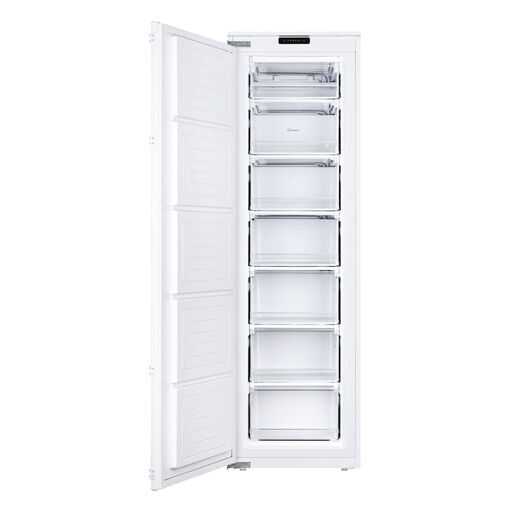
Consider this tall format if the household has space for an integrated appliance and needs to organise several people’s frozen portions. Check the cabinet housing, door fixing, ventilation and defrosting requirements before ordering.
 No image available
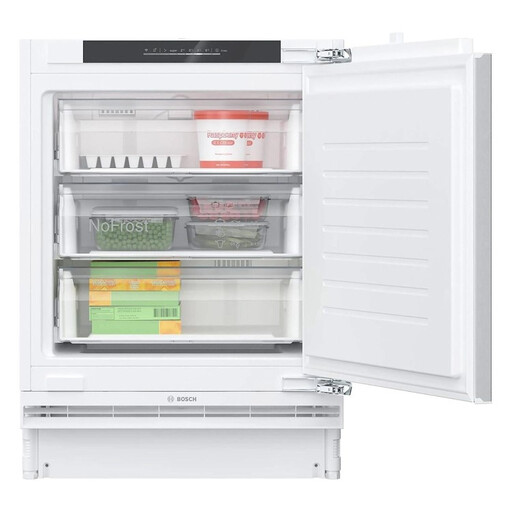
A built-under option to consider when residents need dedicated frozen storage in a fitted kitchen. The product name specifies No Frost; check the exact housing, furniture-door fixing and ventilation instructions, as well as the usable storage layout.
 No image available
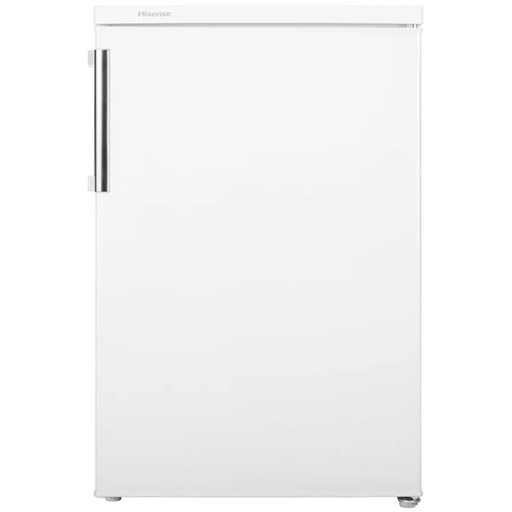
The freestanding under-counter format could suit a limited kitchen gap. Before relying on it for frozen carrots, confirm that the exact model is a freezer, its usable capacity and defrost method, and the clearance it needs.
 No image available
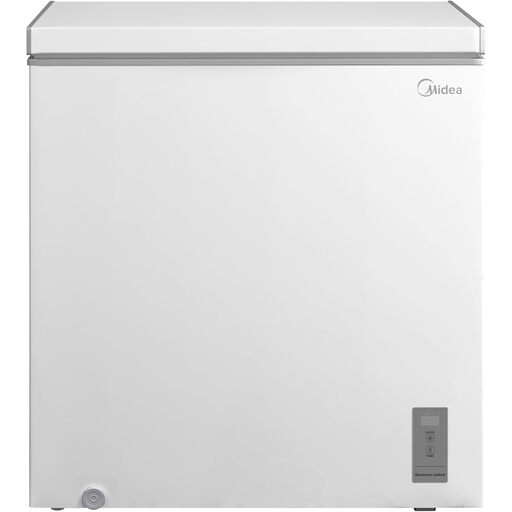
The stated 198 L capacity makes this a choice to assess for larger carrot batches. A chest freezer needs suitable floor space and a clear system for finding each person’s portions; check its placement and defrosting instructions.
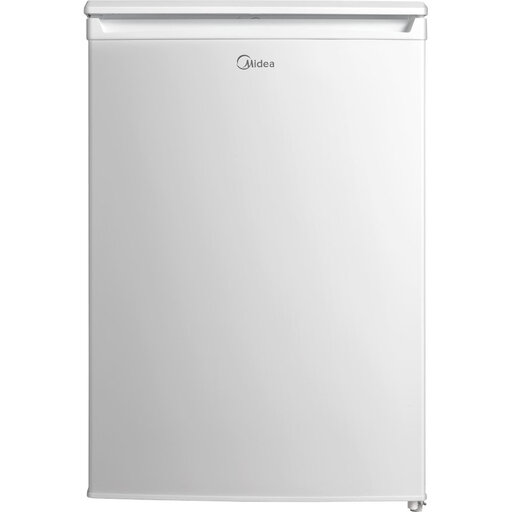 No image available
This freestanding format is worth considering where the kitchen needs compact, dedicated storage. Confirm the exact model’s net capacity against everyone’s portions, and plan for the stated manual-defrost maintenance and required installation clearances.
Divide cooled carrots into useful portions, put them in sealed freezer-safe bags or containers, and label the contents and freezing date. Love Food Hate Waste also advises transferring tray-frozen chopped carrots to a sealed, labelled container or bag.
Not necessarily: an existing compartment may meet the household’s storage needs. Arun District Council’s local HMO guidance refers to an adequate freezer compartment or adequate separate freezers where the compartment is inadequate; it is not a rule for every shared household. If adding an appliance, check the tenancy or landlord arrangements and any applicable local requirements.
No; it is a maintenance preference rather than a requirement specific to carrots. Check the exact freezer’s defrost instructions and agree who will handle that job in the shared kitchen.
Compare the energy label and product information for the exact models under consideration. UK government energy-labelling guidance addresses labels for products within its scope, while Which? notes that models with the same label can still differ in yearly running costs.