Seasonal vegetable preservers
If several batches of blanched carrots need freezing together, usable frozen-food volume and room to load portioned packs matter more than a compact exterior alone.


Choose for the cottage’s coldest likely room temperature before choosing a freezer format: an unheated location calls for an exact model whose stated operating range covers that temperature. A chest freezer offers space for a seasonal batch, while an upright or under-counter model can make labelled portions easier to find; check the usable volume and opening space either way. Cool and portion blanched carrots before freezing, and keep the freezer at around −18°C, as advised by the Food Standards Agency and Food Standards Scotland.
If several batches of blanched carrots need freezing together, usable frozen-food volume and room to load portioned packs matter more than a compact exterior alone.
If the freezer will stand in an unheated room or outbuilding, the exact model’s permitted ambient temperature is a deciding condition, regardless of its storage capacity.
Where space is limited or several people need to find labelled portions, accessible drawers or baskets may matter more than maximum bulk storage.
Check where the freezer will stand, then size it for the carrot batches you expect to store. Format, access and ongoing maintenance come next; a cold-location claim must apply to the exact model, not merely its brand or shape.
| Concern | What to check | Who this matters to |
|---|---|---|
| Seasonal capacity | Compare net frozen-food volume in litres with the expected batch, then check the appliance dimensions and lid clearance. | I need room for several portioned batches without immediately filling the freezer. Around 36% of consumers put bulk storage first. |
| Cold-room operation | Compare the coldest likely room temperature with the exact model’s stated ambient operating range. | If the cottage is unheated while I am away, I need a freezer specified for that location. Around 29% of consumers make cold-location operation their primary concern. |
| Portion access | Look at the drawer or basket layout and allow space to open the door or lid fully. | I want household members or guests to find a labelled carrot portion without searching through the whole batch. Around 21% of consumers prioritise easy retrieval. |
| Running and upkeep | Compare current A-to-G energy labels and annual kWh figures; check the stated defrost system separately. | If the freezer stays on between visits, I care about its electricity use and the work needed to manage ice. Around 14% of consumers put running and upkeep first. |
A freezer’s permitted ambient range may not cover the temperature of an unheated cottage room, garage or shed.
Establish the coldest likely temperature when the cottage is empty, then check the exact model’s manufacturer documentation and installation conditions.
An appliance can fit its floor space yet lack sufficient frozen-food volume or a workable layout for separate carrot portions.
Check net litres, external dimensions, opening clearance and the arrangement of drawers or baskets before ordering.
The Food Standards Agency advises cooling warm food and dividing it into smaller portions before freezing.
Cool the blanched carrots, pack and label portions, then arrange them so they can be retrieved without a prolonged search.
Low-frost and frost-free features concern ice management; they do not establish an appliance’s annual electricity consumption.
Read each shortlisted model’s energy label and annual kWh figure, then consider its defrost system as a separate maintenance choice.
Relevant when an unheated installation makes a documented low-ambient operating range essential.
Relevant to buyers considering a compact under-counter freezer with a model-specific cold-location claim.
A brand to consider when looking at chest freezers for seasonal bulk storage.
These chest freezers offer different stated capacities for seasonal carrot batches. If the cottage location can become cold, check the exact model’s ambient operating range before treating any of them as suitable for that room.
 No image available
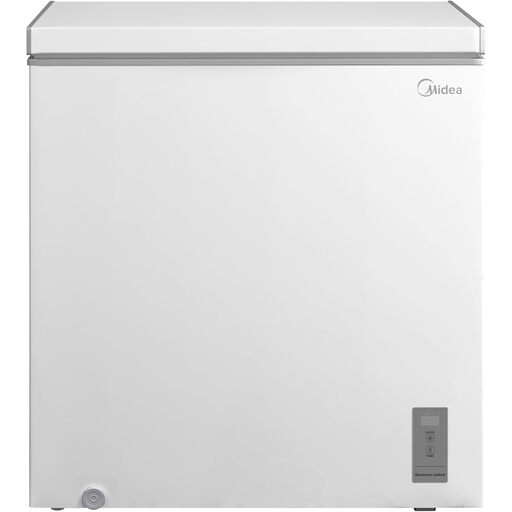
Consider this chest format for a sizeable seasonal batch if the cottage has sufficient floor space and lid clearance.
The product name states 297L. For an unheated location, check the exact model’s ambient-temperature specification and installation conditions.
 No image available
Consider its stated capacity for a seasonal batch after comparing it with the space your packed carrots will need.
The product name states 198L and an E energy rating. Check annual energy consumption, the defrost system and the exact model’s permitted ambient temperature before choosing a cottage location.
 No image available
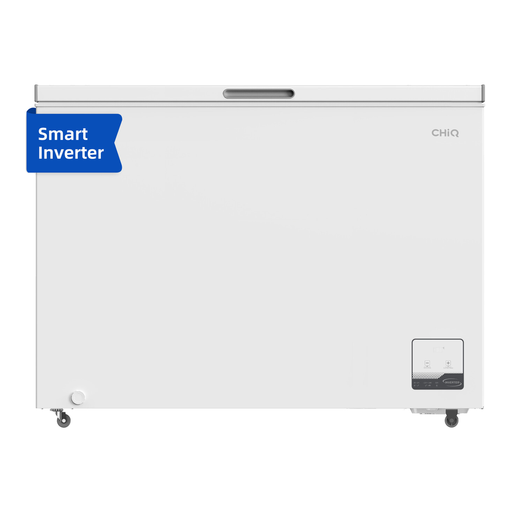
This chest format is worth considering for a large carrot batch where its footprint and lid opening will fit.
The product name states 299L. Check the exact model’s minimum ambient operating temperature if the intended room is unheated.
 No image available
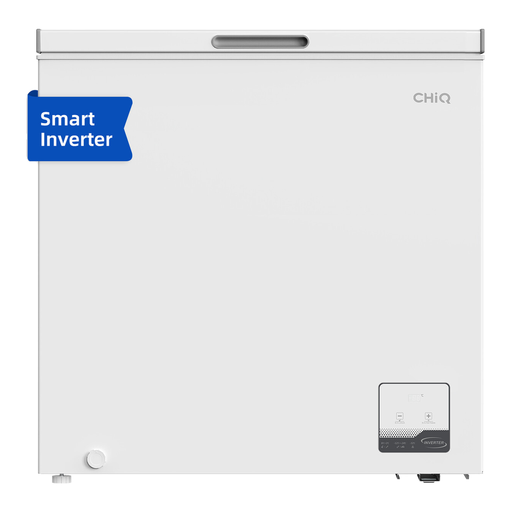
Consider this chest freezer for a moderate batch when you can accommodate a top-opening appliance.
The product name states 199L and an E energy rating. Compare its dimensions and annual energy figure, and confirm its ambient operating range for the intended room.
 No image available
Consider this smaller chest freezer if 95L will hold the expected carrot portions alongside any other food you plan to store.
The product name describes switchable refrigerator and freezer modes and an E energy rating. Check the operating mode, installation dimensions and minimum ambient temperature for the intended cottage location.
Keep the freezer at around −18°C and monitor its temperature. That is the freezer target given by both the Food Standards Agency and Food Standards Scotland.
Cool the carrots and divide them into smaller portions before putting them in the freezer, in line with Food Standards Agency guidance on warm food. Pack and label the portions so you can find what you need later.
No: suitability depends on the exact appliance’s stated ambient operating range and installation conditions. Beko says traditional freezers are not recommended below 10°C, while it makes a down-to-−15°C claim for its Freezer Guard models; Hotpoint’s comparable FreezerProtect claim applies to specified models. Compare the documentation with the room’s coldest likely temperature.
Compare each model’s current A-to-G energy label and annual kWh figure, allowing for differences in usable capacity. Check its defrost system separately if managing ice between visits would be inconvenient.
Keep the freezer closed as much as possible and assess the food when you return rather than relying on a fixed holding time. Food Standards Scotland says a full freezer may keep food frozen for up to 48 hours, but the duration depends on the appliance and room temperature.