For occasional, labelled portions of blanched carrots, start with a compact or under-counter upright freezer; for regular batch cooking, consider a tall upright if separate drawers would help you organise the portions. A chest freezer is worth considering for a large harvest or frequent bulk batches, provided its layout and installation location work for you. Whichever format you choose, check the space it needs, whether it can maintain a storage temperature at or below −18°C, and its energy information.
Who is each format for?
Garden-harvest batch preservers
If you blanch many carrot portions at once, compare tall and chest freezers for the space they offer alongside your other frozen food. Beko and Hotpoint describe these formats as options for larger quantities; the useful choice still depends on how you plan to pack and retrieve each batch.
Small-kitchen portion freezers
If you mainly freeze meal-size bags or containers, a compact upright may make the portions easier to separate and reach. Measure the intended space as well as the freezer: room for opening the door and the model's required ventilation matters.
Low-maintenance freezer users
If you want to find labelled portions without spending time on manual defrosting, compare the internal layout and check whether a particular model has No Frost. Bosch and Hotpoint describe it as a feature that addresses ice build-up; also compare usable storage and energy information.
What matters when choosing?
Choose a format around your usual carrot batch and the space available, then check the individual freezer's storage conditions and upkeep.
Compact or under-counter upright
Consider it when: You freeze a few labelled portions at a time and need accessible storage in a limited space.
Trade-off: Check that the internal space takes your usual containers; a large harvest may call for another format.
Tall upright
Consider it when: Regular batches need more vertical storage, with drawers to separate carrot portions from other food.
Trade-off: It needs a suitable full-height position, and drawer layouts differ by model.
Chest freezer
Consider it when: A harvest or frequent bulk batches make storage volume your main priority.
Trade-off: Portions at the bottom can be harder to retrieve. Check the lid clearance and the exact model's installation conditions, especially for a garage or outbuilding.
| Concern |
What to check |
Who this matters to |
| Batch capacity and layout |
Compare stated capacity with the arrangement of drawers or baskets and the shape of your bags or containers. |
If I freeze a harvest or several meals together, I need room for the portions alongside other food. Around 44% of consumers would put batch capacity and format first. |
| Kitchen fit and access |
Measure the installation space and door or lid clearance; check the model's ventilation requirements. |
With little room available, I want to reach a meal-size portion without an awkwardly placed appliance. Around 33% of consumers would make fit and access their primary concern. |
| Frozen storage and upkeep |
Check the storage-temperature capability, frost-management features and stated energy information for the model. |
When I keep portions for later meals, dependable frozen storage matters, and I want maintenance to remain manageable. Around 23% of consumers would prioritise those storage and upkeep questions. |
For storage temperature, Cambridge University Hospitals NHS Foundation Trust advises keeping a freezer at or below −18°C. Compare that requirement with the chosen appliance's instructions rather than assuming a freezing feature tells you its maintained storage temperature.
Buying pitfalls to avoid
-
Choosing by capacity alone
A litre figure does not show whether your sealed carrot bags and containers will be easy to separate from other frozen food. A deep chest and a drawer-based upright organise portions differently.
Think about your usual batch size, then inspect the baskets, shelves or drawers and check the space available for the appliance.
-
Assuming the freezer will fit wherever there is floor space
The door or lid needs room to open, and the appliance needs the ventilation specified for its installation. Suitability for a garage or outbuilding is model-specific, not a feature of every freezer from a given brand.
Measure the complete location and follow the chosen model's installation and ambient-temperature instructions.
-
Letting No Frost settle the whole decision
Bosch and Hotpoint describe No Frost as addressing ice build-up. That convenience does not establish whether a particular freezer has enough room for your portions or meets your frozen-storage needs.
Check storage temperature, usable layout and energy information for the individual model as well as its frost-management feature.
-
Leaving cooled portions unlabelled
Labels make separate carrot batches easier to identify later. Love Food Hate Waste advises transferring frozen carrot pieces to a sealed bag or container and adding a label.
Cool prepared portions promptly, then pack and label them before storage. For batch-cooked food, the NHS advises cooling it ideally within one to two hours before freezing or refrigerating.
Brands to consider
These brands illustrate different freezer ranges and features to check; suitability depends on the individual model, not the brand name alone.
Beko
Beko's UK range includes tall, under-counter, chest, freestanding and integrated freezers.
- Beko positions its chest freezers for high-capacity household storage and batch cooking.
- Beko describes certain models as suitable for a home or garage; check the exact model's permitted location, capacity and dimensions.
Hotpoint
Hotpoint's UK range spans upright, under-counter, chest, freestanding and built-in freezers.
- Hotpoint describes No Frost and Super Freeze as features on selected products.
- Check the chosen model's features and internal space rather than assuming they apply across the range.
Bosch
Bosch's UK range includes built-in, under-counter and freestanding freezers, including No Frost options.
- Bosch describes No Frost as addressing ice build-up and offers adjustable-storage options within its range.
- Compare dimensions, layout, energy information and installation requirements for the particular model.
Joybuy freezer options
These choices include a built-under freezer for portion storage and two chest freezers for larger batches. Compare their stated capacity and installation needs with the way you freeze carrots; a freezing function alone does not establish the temperature maintained during storage.
 No image available
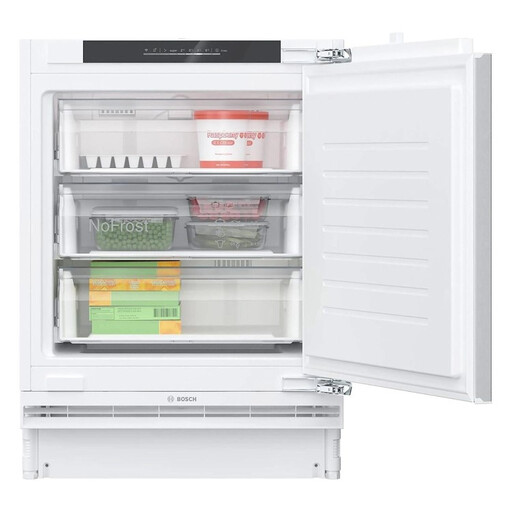
Bosch GUN21VFE0G Series 4 No Frost built-under freezer, E rated
Consider this built-under model for labelled portions where a kitchen cabinet location is planned. Its name identifies No Frost and an E energy rating. Confirm the required cabinet fit and ventilation, and check the storage temperature after installation.
View on Joybuy
 No image available
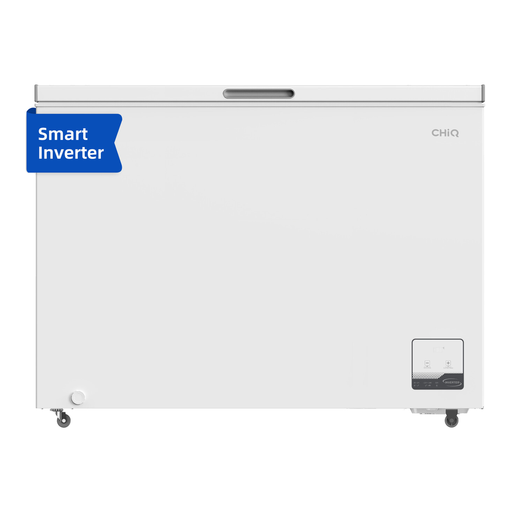
CHiQ JKR299DWE 299L digital inverter chest freezer
Consider this chest format if you need space for large carrot batches. The stated capacity is 299L. Check the space needed to install and open it, whether it requires manual defrosting, and the temperature it maintains during storage.
View on Joybuy
 No image available
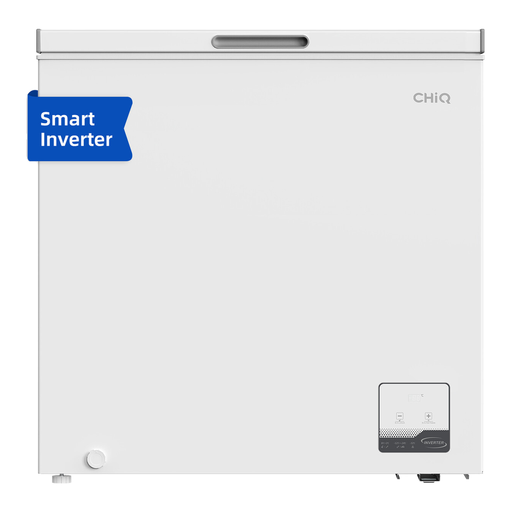
CHiQ JKR199DWE 199L digital inverter chest freezer, E rated
Consider this chest format for batch storage if the stated 199L capacity suits your portions and other frozen food. Its name gives an E energy rating. Check installation clearance, defrosting requirements and maintained storage temperature for this model.
View on Joybuy
Frequently asked questions
What freezer temperature should I use for blanched carrots?
Keep the freezer at or below −18°C for frozen storage, in line with guidance from Cambridge University Hospitals NHS Foundation Trust. If you need to monitor it closely, use a freezer thermometer and check it regularly.
Should blanched carrots cool before freezing?
Yes—cool prepared portions promptly before packing them for the freezer. For batch-cooked food, the NHS advises cooling it ideally within one to two hours before freezing or refrigerating; sealed, labelled portions also make it easier to take out what you need.
What should I compare on a freezer's energy information?
Compare the stated annual energy use as well as the energy-efficiency class, while keeping the capacity you need in view. GOV.UK's energy-labelling guidance identifies the energy label and product information sheet as places to find appliance information.


