Space-limited cottage users
If bread is the main item being frozen, an under-counter space and convenient access to individual packs may matter more than bulk-storage capacity. Check the appliance dimensions as well as room to open its door.


Choose a compact freestanding upright freezer if the cottage has under-counter space and you want to retrieve individual bread packs easily. A compact chest freezer suits a floor-standing space and bread stored alongside other frozen food, but packs need more deliberate organisation. For an unheated garage or outbuilding, check the exact model’s permitted ambient conditions before choosing either format.
If bread is the main item being frozen, an under-counter space and convenient access to individual packs may matter more than bulk-storage capacity. Check the appliance dimensions as well as room to open its door.
If the freezer will stand in a garage, shed or unheated utility area, its stated operating conditions are central to the choice. A freezer’s format alone does not establish that it is suitable for a cold location.
If the cottage also needs frozen food for longer stays or changeovers, an open chest-freezer interior may be useful. Keep frequently used loaves within reach rather than burying them beneath other food.
Choose the installation location and freezer format before comparing capacities. Beko lists a low-ambient operating claim for its UFS4584 upright, while Russell Hobbs describes its RH99CF0E1W chest freezer as garage-suitable; neither statement applies to other models by default.
Choose when: You have an under-counter space and want to separate bread packs for frequent access.
Allow for: The available cabinet space limits capacity; cold-location suitability must be checked for the exact model.
Choose when: A floor-standing appliance can hold bread alongside other frozen food.
Allow for: Packs beneath other food can be harder to reach, so baskets and stock rotation matter.
Choose when: The cottage has compatible fitted cabinetry for a permanent installation.
Allow for: Cabinet fitting and ventilation requirements; an integrated model is not a freestanding substitute.
Choose when: Regular frozen-food storage extends well beyond sliced bread.
Allow for: More floor space and less direct access to individual packs than an upright drawer layout.
| Concern | What to check | Who this matters to |
|---|---|---|
| Cold-location suitability | Check the exact model’s permitted ambient conditions and the requirements for a dry, ventilated installation. | If my only available space is an unheated outbuilding, I need a freezer intended to operate there. Around 36% of consumers put cold-location suitability first. |
| Bread capacity and access | Compare freezer volume with the maximum planned stock, then check whether drawers or a basket will keep packs accessible. | When I reach for a loaf during a stay, I do not want older packs buried beneath newer food. Easy access and enough room are the main concern for around 29% of consumers. |
| Fit and installation | Measure the space and access route, including door or lid clearance; establish whether the model is freestanding or integrated. | In a tightly fitted kitchen, the appliance has to fit and open properly before its storage layout is useful. Around 21% of consumers place fit and installation first. |
| Upkeep and resilience | Check the defrosting method, energy label and stated storage period during a power cut. | If the cottage is left between visits, I want to understand the upkeep and how the freezer handles an interruption to power. These are the primary concern for around 14% of consumers. |
For frozen-food storage, Which? advises keeping food below −16°C. A model’s permitted room temperature is a separate question: check both when the proposed location is unheated.
Low-ambient suitability is model-specific, even among appliances described as under-counter or freestanding. Beko’s stated −15°C FreezerGuard claim applies to the UFS4584, not every Beko upright.
Check the exact model’s manufacturer guidance against the temperatures and installation conditions expected in the cottage’s chosen location.
Beko explains that integrated freezers are designed to fit within kitchen cabinets. A space beneath a worktop does not, by itself, make an integrated appliance suitable there.
Choose a freestanding model if it needs to stand independently. For an integrated model, confirm cabinet dimensions, door fitting and ventilation arrangements before ordering.
A fitted installation may also involve cabinetry work or arranging someone to fit the appliance.
The open interior that makes a chest freezer useful for bulk storage can make individual bread packs harder to find beneath other food.
Estimate the most bread and other food the cottage will hold at one time. If bread is the main item, compare smaller uprights and chest models before committing floor space to a larger appliance.
These brands provide examples of different freezer formats and model-specific details; compare the appliance you intend to buy rather than applying one model’s features across a whole range.
Relevant to under-counter choices, including freestanding models and appliances designed for fitted cabinetry.
Relevant to shoppers comparing a freestanding under-counter upright with published model specifications.
Relevant to a compact, floor-standing chest-freezer choice for bread and other frozen food.
These choices cover an under-counter freestanding upright, a built-under model for compatible cabinetry and chest freezers of different capacities. Decide where the appliance will stand before choosing by format or volume; check model-specific operating conditions for any unheated location.
 No image available
A freestanding upright to consider when bread needs its own under-counter storage space. The product name specifies 85 L capacity, a 55 cm size and energy class E. Check door clearance and the permitted ambient conditions if the planned space is unheated; allow for defrosting as part of upkeep.
 No image available
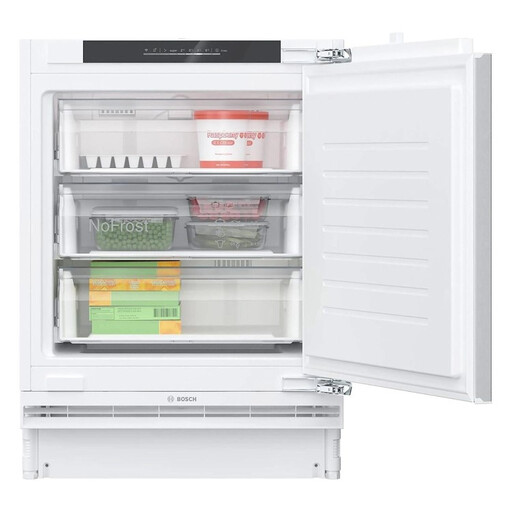
A built-under choice for a cottage with suitable fitted cabinetry, rather than a unit to stand independently. Its product name specifies No Frost and energy class E. Confirm the cabinet, furniture-door and ventilation requirements, as well as ambient conditions if the installation area is unheated.
 No image available
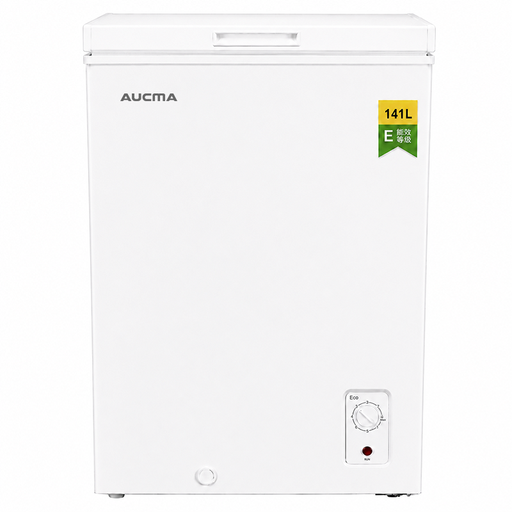
A floor-standing option when bread will share space with other frozen food. The product name specifies 141 L capacity, a switchable refrigerator/freezer function, energy class E, a removable basket and a defrost drain. Select the freezer setting for frozen storage, and check floor space, lid clearance and the exact model’s ambient conditions before using it in an unheated location.
 No image available
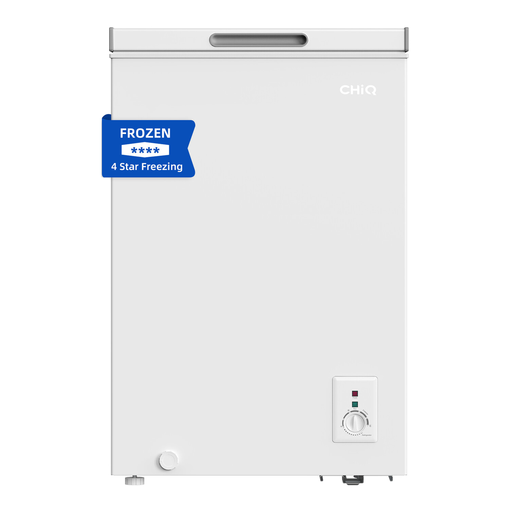
A chest-format choice if the cottage has floor space and bread will be stored alongside other food. The product name specifies 99 L capacity and energy class E. Organise frequently used packs near the top, and check lid clearance and permitted ambient conditions for the intended location.
 No image available
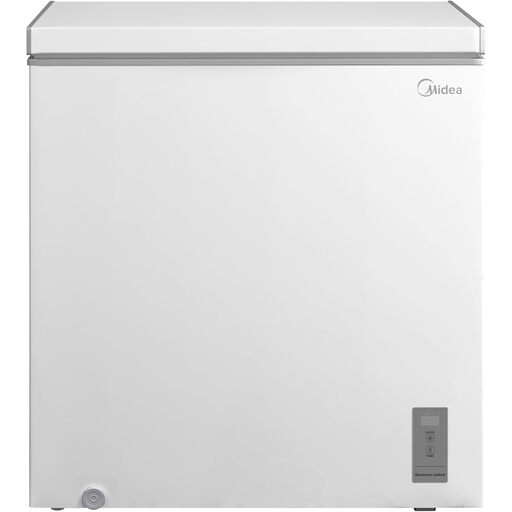
Consider this larger chest format when the cottage needs substantial frozen storage beyond sliced bread. The product name specifies 198 L capacity and energy class E. Measure the available floor space and keep bread packs accessible. If considering an unheated outbuilding, confirm the exact operating conditions in the model documentation before relying on a low-ambient claim.
Not necessarily: a separate appliance makes more sense when the cottage needs frozen storage beyond what its existing fridge-freezer provides. If bread is the main item, compare compact capacity and pack access before choosing a larger chest freezer. Which? advises keeping frozen food below −16°C.
No: check the exact model’s permitted ambient and installation conditions. Beko states that its UFS4584 FreezerGuard model operates down to −15°C, while Russell Hobbs describes the RH99CF0E1W as garage-suitable; those model-specific statements do not apply to every freezer.
Keep packs sealed and labelled, and place older loaves where they will be used first. An upright drawer or shelf can separate bread from other food; in a chest freezer, use a basket or separate container so packs do not end up beneath bulkier items.
If the self-catering property is in England, consult GOV.UK’s guidance for people letting holiday accommodation and check which fire, gas, carbon-monoxide and electrical requirements apply to the property. For a cottage in Scotland, Wales or Northern Ireland, check the rules with the relevant local authority or regulator rather than assuming England’s guidance applies.