What matters when choosing?
Choose a freezer format around the space available and the amount the group routinely freezes, then check whether its layout lets everyone find their own portions.
Under-counter or compact upright
Consider it when: Floor space is limited and small, labelled portions need to be reached frequently.
Trade-off: Compartments may leave less room for larger batches; check their internal dimensions as well as overall capacity.
Tall upright
Consider it when: Several users need vertically organised storage and the kitchen can accommodate a tall appliance.
Trade-off: It needs sufficient height and installation clearance; compare annual electricity use rather than assuming a larger appliance has similar running costs.
Chest freezer
Consider it when: The group regularly freezes larger batches and has space for a chest-style appliance.
Trade-off: Small cheese bags need an agreed arrangement of labelled containers or baskets so they remain easy to find.
| Concern |
What to check |
Who this matters to |
| Allocated space and access |
Measure the appliance space and door clearance; check whether drawers or baskets fit labelled portions for each user. |
If I share a compact kitchen, I want to reach my own cheese without moving everyone else’s food. Around 33% of consumers put allocated, easy-to-reach storage first. |
| Batch capacity |
Compare frozen-food capacity with the amount usually stored, and check how larger containers fit inside. |
When several of us freeze food in batches, I need enough room for the normal shared stock rather than occasional overflow. For around 27% of consumers, capacity is the primary concern. |
| Electricity use |
Compare the annual energy-use figure and capacity on models of the same type, not the efficiency letter alone. |
If we split the electricity bill, I want to avoid running a much larger freezer than we use. Ongoing electricity use comes first for around 20% of consumers. |
| Freezing and food handling |
Check the model’s temperature controls and freezing information; plan how portions will be sealed, labelled and dated. |
With several people adding food, I want dependable frozen storage and a clear way to identify when each portion went in. Around 20% of consumers give freezing and food handling first priority. |
Joybuy freezers for different storage needs
These models cover built-under and freestanding upright storage for separated portions, plus a chest format to consider for larger batches. Match the installation type and internal arrangement to the shared kitchen before comparing individual appliances.
 No image available
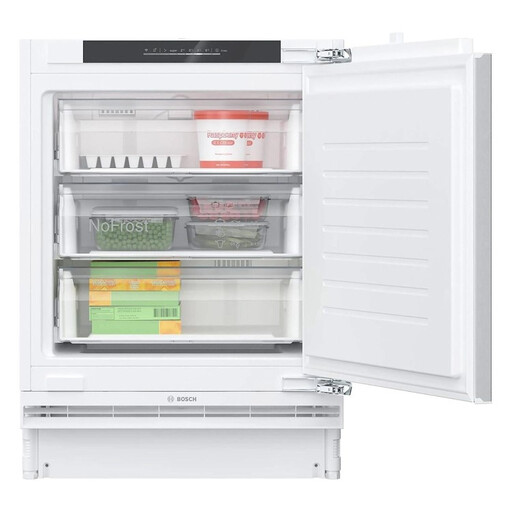
Bosch GUN21VFE0G Series 4 No Frost Built-Under Freezer, White
Consider this model for a fitted kitchen where an under-worktop freezer suits the available space. It is a built-under, No Frost model with an E energy rating; check the cabinet opening, furniture-door arrangement and ventilation requirements before ordering.
View on Joybuy
 No image available
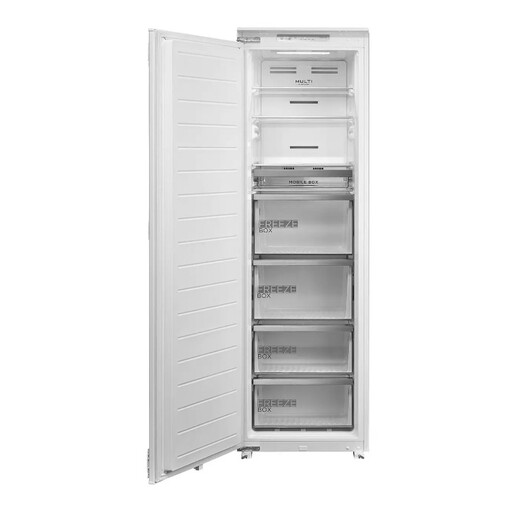
Midea MDRE306FGE01D Total No Frost Built-In Freezer, Sliding Hinge
Consider this tall built-in format if shared portions need vertical storage and a suitable cabinet is available. The title specifies Total No Frost, a sliding hinge and an E energy rating; confirm cabinet fit, hinge compatibility and ventilation requirements.
View on Joybuy
 No image available
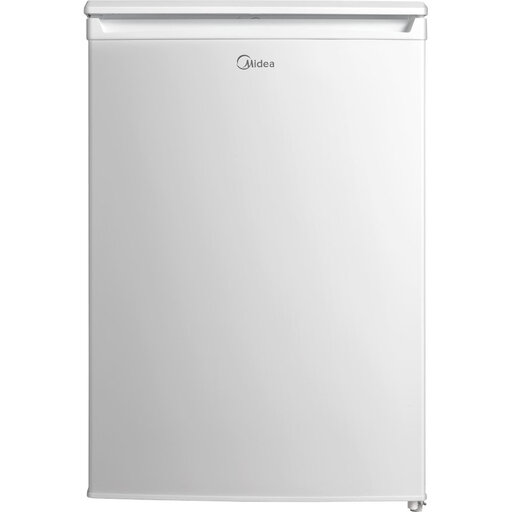
Midea MDRU129FZE01 Under-Counter Freezer, White
Consider this under-counter model where a freestanding appliance fits better than a built-in one. It has an E energy rating and requires manual defrosting. Confirm the exact usable capacity before buying, as the available figures for this model differ, and check that its internal space fits your portion containers.
View on Joybuy
 No image available
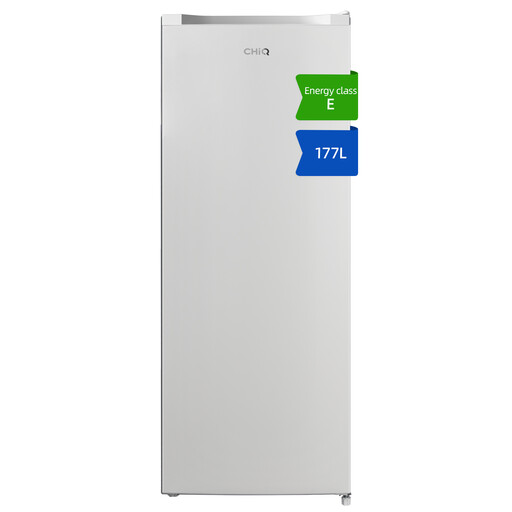
CHiQ JKR183DWE Freestanding Upright Freezer, 54 cm Wide, 144 cm Tall
Consider this upright format where the kitchen has more vertical than horizontal room for a freezer. The title specifies a 54 cm width, 144 cm height and an E energy rating; check the full depth, door clearance and internal storage arrangement against your space and containers.
View on Joybuy
 No image available
HISENSE FC386D4AWLE 297L Freestanding Chest Freezer, White
Consider this 297-litre chest freezer if the group regularly needs batch storage and can keep smaller cheese portions organised. Allow for manual defrosting, and check the floor area, lid-opening clearance and operating-temperature requirements for its intended location.
View on Joybuy
Frequently asked questions
Should I label grated cheese before freezing it in a shared kitchen?
Yes: label each sealed portion with its contents and freezing date so other users can identify it and older portions can be found. GOV.UK’s food-hygiene guidance for businesses calls for frozen food to be labelled and the freezing date recorded.
What temperature should the freezer maintain?
For a food-business setting, Torbay Council advises keeping frozen food ideally at or below −18°C and checking freezer temperatures at least daily. In a domestic shared kitchen, follow the appliance instructions and check that it maintains its intended freezing temperature.
Can the freezer go in an unheated garage?
Only choose a model whose stated operating-temperature range permits that location. Which? warns that most freezers are designed for rooms no colder than 10°C; check the exact appliance instructions before placing it in a garage or outbuilding.
Does a shared kitchen need food-business registration?
If the kitchen is being operated as a food business, the Food Standards Agency’s registration service says the operator must register with the local authority at least 28 days before trading. Sharing a kitchen for private household food is a different situation; if food will be sold, establish who operates the business and complete the applicable registration.
How should I thaw grated cheese if a recipe requires it?
Thaw it in the fridge when thawing is needed. GOV.UK’s food-hygiene guidance for businesses advises fully defrosting frozen food before cooking unless its instructions say it can be cooked from frozen.


