
24/7 全天候客户支持

免费退货

当日/次日达

品质保障

开启新人专享福利: 全场免邮 | 低至 2 折 | 免费试用 30 天 JoyPlus 会员
下载 Joybuy
Freezer storage bags can make batch cooking, bulk shopping and leftover storage much easier. However, a low price or impressive pack count does not always mean good value. A bag that tears around sharp food, develops a weak seal or is too large for your freezer can create mess and wasted food.
This guide explains the practical details to check before buying, from material thickness and capacity to reusability and safe handling. It also matches several options to common UK household needs, including meal prep, catering-style storage and breast milk organisation.
A roll of hundreds of disposable freezer bags may look economical, but the useful comparison is cost per suitable bag, not simply the total quantity. Small bags may be unsuitable for family-sized portions, while oversized bags can waste freezer space and require more filling material.
Check the dimensions and intended use before comparing pack prices. A 7 x 9-inch bag is suited to individual portions, whereas larger freezer bags may be more practical for loaves, casseroles or bulk purchases.
A zip-lock freezer bag is only as useful as its closure and the way it is filled. A seal can fail if the bag is overfilled, food prevents the track from closing or liquid expands during freezing. Look for a clearly described closure system, and leave room at the top for expansion.
For soups, sauces and marinades, a stand-up base can make filling easier. Always place liquid-filled bags in a tray until frozen, particularly if your freezer has wire shelving.
Freezer-safe plastic is not automatically suitable for microwaves, ovens or hot liquids. Several food storage bags are designed only for cooling and freezing. Always follow the product label, cool cooked food before packing it and avoid using a bag that is cracked, brittle or punctured.
For breast milk storage bags, hygiene and handling instructions are especially important. Single-use bags should not be reused, while reusable breastmilk bags require thorough washing, drying and inspection.
For freezer bags for meat and vegetables, thicker polythene or heavyweight construction can provide greater resistance to punctures than lightweight film. This matters when storing bones, frozen vegetables with sharp edges or bulky portions.
Even heavy-duty freezer bags should be kept away from sharp corners. Remove excess air before sealing to reduce exposure to cold air and help limit the risk of freezer burn. This is also useful when choosing bags to prevent freezer burn, although no bag can compensate for poor sealing or prolonged storage.
Choose the bag around the food you usually freeze:
Before filling, check whether the bag can stand open. A flexible base can help prevent spills, especially when portioning liquids.
Reusable freezer bags can reduce the number of disposable bags used, but only when they are practical to clean and dry properly. A dishwasher-safe design may be convenient for suitable food residues, while silicone bags generally need careful washing and inspection.
Do not reuse a bag that held raw meat, oily food or anything that cannot be cleaned thoroughly. Disposable freezer bags remain useful where hygiene, speed or high-volume storage is the priority. For breastfeeding parents, use only bags specifically intended for expressed milk and follow the stated single-use or reuse instructions.
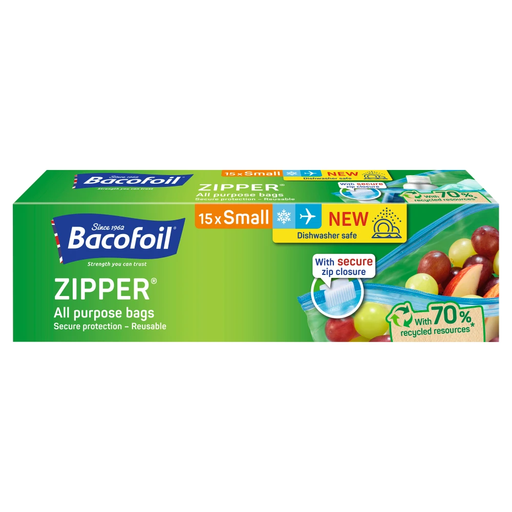
Why This Fits Their Persona: The 1-litre format suits smaller households, packed lunches, snacks and introductory meal prep without committing to a very large pack.
Its zip-tight closure and flexible stand-alone base address the common problems of spills and awkward filling. The pack information states that the bags may be reused up to 10 times when washed appropriately.
1L capacity; dishwasher-safe description; recycled-resource polyethylene; suitable for freezing and organising.
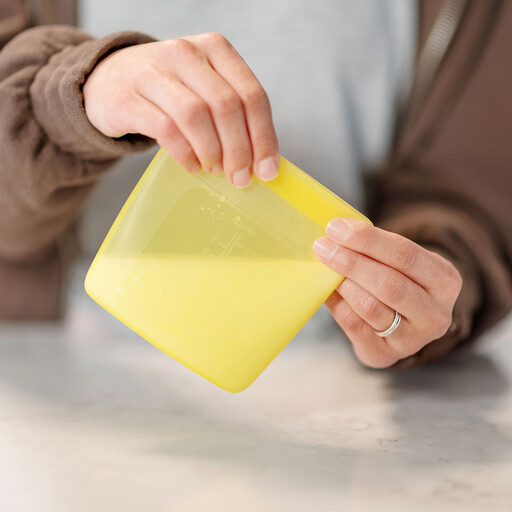
Why This Fits Their Persona: Breastfeeding parents building a planned supply may value measured portions, stackable storage and a reusable format.
The one-piece silicone construction, double-seal closure and writable label area are designed for controlled storage. Inspect each bag before use and follow the supplied cleaning and thawing instructions.
220ml marked capacity; self-standing and stackable design; fridge and freezer compatible; reusable silicone construction.
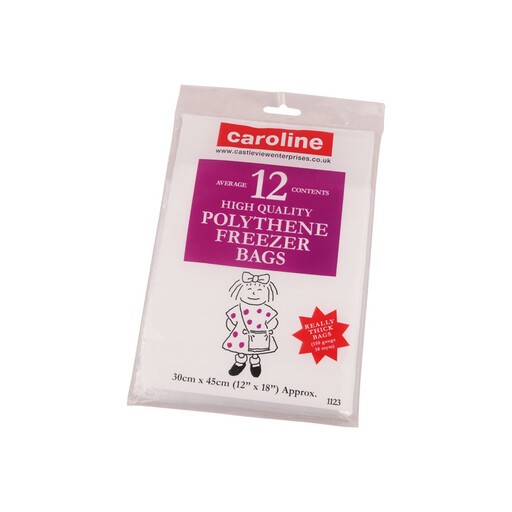
Why This Fits Their Persona: The generous 30 x 45cm size is suited to bulk food buyers, family meal prep and households freezing larger portions.
The heavyweight plastic is intended for freezer use and moisture retention, offering a more appropriate format than small bags for large portions. Press out air and seal or tie securely.
30 x 45cm dimensions; heavyweight construction; suitable for meat, vegetables, leftovers and portioned food; 12-bag pack.
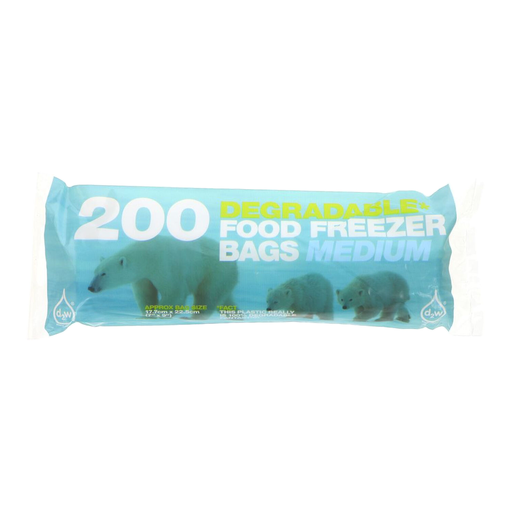
Why This Fits Their Persona: The large pack is aimed at frequent freezer users who want a substantial supply and are considering degradable-material options.
The stated design includes a writable area, zip closure and freezer suitability. Disposal claims depend on the conditions available, so check local waste guidance rather than assuming home compostability.
Large stated capacity; freezer-use design; zip closure; 200-bag pack; degradable technology described by the manufacturer.
We have compiled a complete, real-time list of products that fully satisfy these strict selection criteria and UK safety regulations.
Disposable bags are intended for one use unless the packaging states otherwise. Reusable designs have a stated or practical lifespan that depends on cleaning, food type and wear. Replace any bag showing cracks, clouding, stretching or a damaged seal.
Usually not. Allow food to cool before filling the bag, then refrigerate or freeze it promptly according to appropriate food-storage guidance. Hot liquids can soften some plastics, create pressure and increase the chance of leaks.
They can offer better value when used repeatedly and cleaned easily, but the purchase price, washing time and suitability for greasy or raw foods all matter. Compare the expected number of uses with the price per disposable bag, while prioritising hygiene and the manufacturer’s instructions.