
24/7 Customer Support

Free returns

Same-day & Next-day Delivery

Quality Guaranteed

Unlock Your Welcome Offers: FREE Delivery | Up to 80% OFF | Free 30-day JoyPlus trial
Download the APP
Finding suitable freezers for sale is not simply a matter of choosing the largest capacity at the lowest price. UK homes vary considerably, from compact flats and terraced kitchens to utility rooms, garages and outbuildings. The right freezer must fit the available space, your shopping habits and the environment where it will operate.
Marketing descriptions can also make several models appear similar when their layouts and installation requirements differ. Before buying, watch for these common pitfalls.
A freezer may advertise a large gross capacity, but shelves, baskets, drawers and internal components reduce the space available for food. Compare net capacity where possible and consider whether the interior layout suits your groceries. Drawers work well for meal portions and everyday items, while chest freezers offer a more open cavity for bulky joints of meat or large batches.
Cold outbuildings can cause problems for appliances that are not designed for lower ambient temperatures. If you plan to use a freezer in a garage, shed or utility space without consistent heating, look for a clearly stated garage-safe or winter-operation specification. For example, some Midea chest freezers are specified to operate in ambient temperatures down to -18°C, while the HISENSE FC386D4AWLE is specified for operation down to -15°C.
UK energy labels use an A to G scale, with A representing the highest efficiency class. Many current freezers are E-rated, but two E-rated models can have different annual electricity consumption because of their capacity, insulation and compressor design. Check the stated annual kWh figure and compare it with the freezer’s size and intended use rather than relying on the letter alone.
The main categories suit different homes:
Measure the route into the property as well as the final position. Include doorways, staircases, skirting boards and ventilation gaps in your planning.
A compact freezer of around 85–100 litres may suit a single person, couple or small kitchen. Medium models around 140–200 litres can support regular batch cooking and extra supermarket storage. Large-capacity freezers of approximately 250–300 litres are more suitable for large households, bulk buying or small food businesses.
Capacity alone does not determine convenience. Transparent drawers, removable baskets, internal lighting and counterbalanced lids can make a noticeable difference during everyday use. Also consider how you will label and rotate food to reduce waste.
Frost-free freezers circulate chilled air to reduce frost accumulation and remove the need for routine manual defrosting. Manual-defrost models can still be practical, but ice should be removed when it builds up, following the manufacturer’s instructions. Never use sharp objects or unauthorised heating devices to remove ice.
A reversible door can help an upright freezer fit beside cabinets or walls. Mechanical controls are straightforward, while electronic controls and LED displays may offer more precise adjustment. For open-plan homes, compare the stated noise level in dB(A); the products below range from 37 dB to 42 dB.
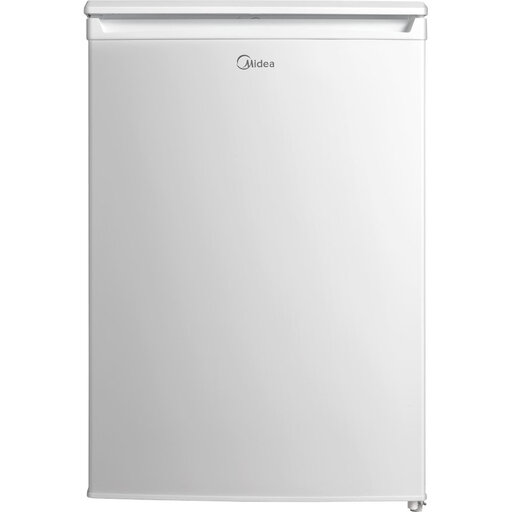
Why This Fits Their Persona: Its 86-litre capacity and 84.5 cm height suit smaller kitchens, flats, utility rooms or households needing an additional freezer beneath a worktop.
The three transparent drawers provide defined storage instead of an open cavity where smaller food packages can become difficult to find.
86-litre capacity, reversible door, 39 dB noise level and E energy class.
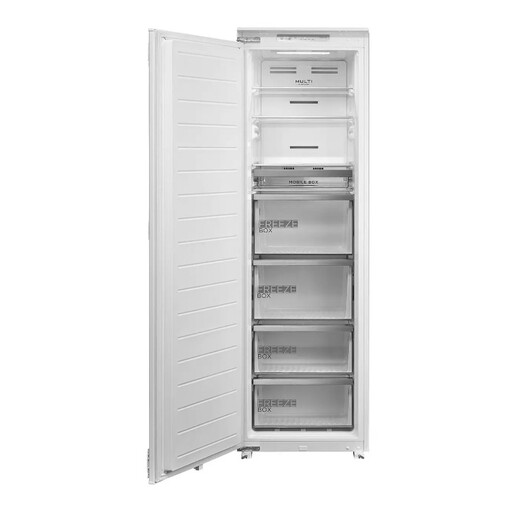
Why This Fits Their Persona: This 197-litre integrated model is designed for fitted kitchens where a consistent cabinet appearance and organised tall storage are priorities.
The product specifies Total No Frost and a standard tall housing fit, helping buyers avoid choosing a manual-defrost appliance for a new fitted kitchen.
197-litre net capacity, Total No Frost, Super Freeze and sliding-hinge installation.
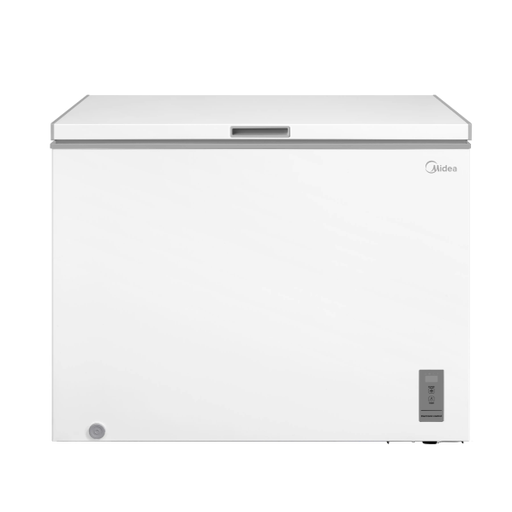
Why This Fits Their Persona: Families, bulk buyers and meal preppers can use the 293-litre cavity for large grocery shops, batch-cooked meals and seasonal produce in a garage or utility room.
Its specified garage-safe operation, counterbalanced lid and removable storage basket address common outbuilding and access issues.
293-litre capacity, operation down to -18°C, convertible fridge/freezer mode and 41 dB noise level.
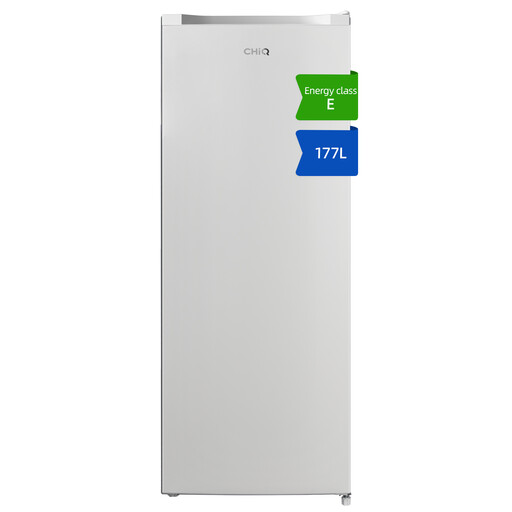
Why This Fits Their Persona: The 54.5 cm-wide, 144 cm-tall design adds organised freezer capacity where kitchen or utility-room floor space is limited.
Six transparent drawers make contents easier to separate and identify than in a single open chest cavity.
Six transparent drawers, reversible door, 39 dB noise level and E energy class.
We have compiled a complete, real-time list of products that fully satisfy these strict selection criteria and UK safety regulations.
Place the appliance on a firm, level surface and leave the ventilation clearance specified in its instructions. After delivery, allow the freezer to stand for the manufacturer’s recommended settling period before connecting it to the mains. Keep air vents clear, avoid overloading the interior and check that the door or lid seals properly.
For manual-defrost models, unplug the appliance before cleaning and remove ice using the approved method. Keep a simple inventory of stored food so older items are used first and the freezer is not opened unnecessarily.
Running cost depends on the model’s insulation, capacity, energy rating, usage and annual kWh figure. A chest freezer may retain cold air efficiently when opened, but a smaller upright model can use less electricity overall because it stores less. Compare like-for-like annual consumption.
Only if the product specification confirms suitability for the expected ambient temperature range. Garage-safe freezers are designed for colder conditions, but you should still provide ventilation, keep the appliance dry and install it on a level surface.
A freezer’s service life depends on build quality, installation, cleaning, usage and maintenance. Keeping the condenser and ventilation areas clear, checking the seal and defrosting manual models when required can help maintain efficient operation. Always follow the manufacturer’s care and safety instructions.