Regular batch-freezers
If you freeze several packs of rolls at once, compare frozen-compartment volume and check that the drawers keep small bags accessible without crushing them.


Choose a fridge-freezer by its frozen-compartment volume and whether its drawers will hold your usual bags of rolls, rather than by total appliance capacity. If you regularly freeze sizeable batches, check freezing performance and any model-specific fast-freeze function; weigh those needs against kitchen fit, defrosting effort and the energy-label information.
If you freeze several packs of rolls at once, compare frozen-compartment volume and check that the drawers keep small bags accessible without crushing them.
If freezing rolls helps you shop less often but kitchen space is tight, assess appliance dimensions, installation clearances and freezer space together.
If you add food to the freezer often and want less defrosting work, consider fast-freeze and Frost Free features separately: they serve different purposes.
Start with space for your usual quantity of rolls, then decide whether frequent batch freezing or kitchen fit places the greater constraint on your choice.
| Concern | What to check | Who this matters to |
|---|---|---|
| Organised freezer space | Compare frozen-compartment litres, then check drawer dimensions against your usual bags or trays. | I freeze several bags of rolls and need to find them without crushing them among other food. Around 50% of consumers put organised freezer space first. |
| Freezing fresh batches | Check the exact model for a fast-freeze function and, where available, independent freezing-performance results. | When I bring home a sizeable batch of fresh rolls, freezing the new food promptly matters most to me. Consumers who put batch freezing first account for around 30%. |
| Fit and everyday use | Check dimensions, clearances and any cabinet hinge requirements; compare energy-label information, noise and defrosting features. | My kitchen space or cabinetry limits what I can install, and I want to understand the appliance’s everyday demands. Around 20% of consumers prioritise fit and everyday use. |
A large fridge-freezer can devote much of its capacity to chilled food, leaving less space for rolls than its headline volume suggests.
Compare the labelled frozen-compartment volume, then check how your usual bags or trays would fit in the drawers.
Frost Free addresses ice build-up and defrosting effort. It does not, by itself, establish how quickly newly added rolls will freeze.
If you add sizeable batches, check the exact model for a Fast Freeze or Super Freeze function and look for independent freezing-performance information where available.
Built-in appliances must match the cabinet opening and door-hinge arrangement. Bosch, for example, specifies a sliding hinge for its KIN86NSE0G integrated model; that specification should not be assumed for another model.
Measure the niche and check the exact appliance’s installation instructions and hinge system before ordering or arranging installation.
A mismatch may mean altering the installation or choosing a different appliance.
Low-temperature operating claims can apply to only part of an appliance. Beko says the freezer compartment of its BCFD4V73 can operate at ambient temperatures down to -15°C, but does not recommend using that model’s fridge compartment at low ambient temperatures.
Check the exact model’s ambient-temperature and installation guidance for the intended location.
Bosch offers freestanding and integrated bottom-freezer models worth comparing when freezer allocation and installation type are central to the decision.
Beko has Frost Free, integrated and wider American-style models to examine if maintenance or appliance format affects your choice.
Samsung lists classic, integrated, French-door and American-style fridge-freezer formats, giving buyers several layouts to compare.
These models span compact freestanding, integrated and wider fridge-freezer formats. Compare their stated configurations with your kitchen space and the amount of room your rolls need.
 No image available
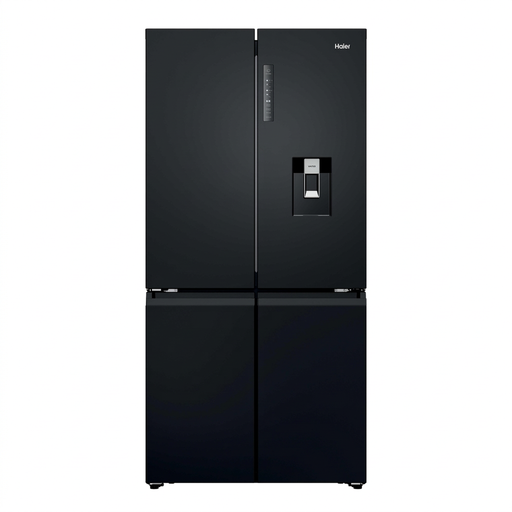
Consider this freestanding four-door model if you have space for a larger appliance and regularly store batches of rolls. The product name states 649 L of total capacity; check its frozen-compartment volume, drawer fit and installation clearances separately.
 No image available
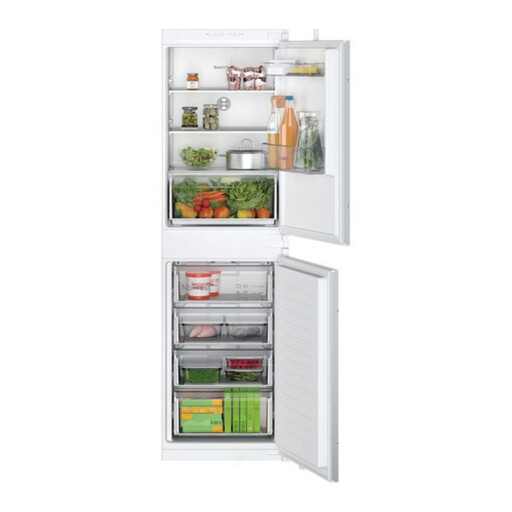
Consider this model if the fridge-freezer must fit behind kitchen cabinetry. Its name specifies a 177 cm height, sliding hinge, Frost Free design, 249 L total capacity and E energy rating. Check cabinet compatibility and the freezer drawers against your roll bags.
 No image available
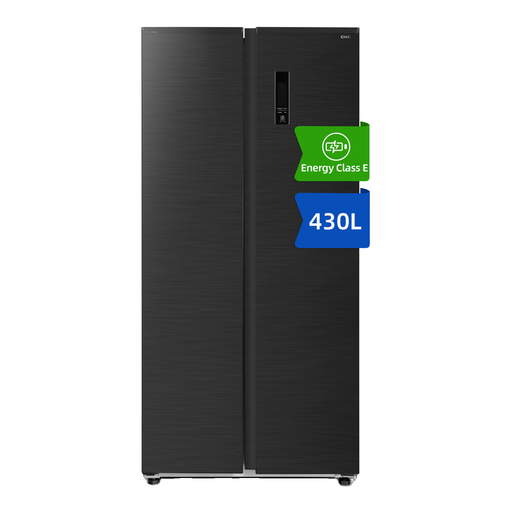
Consider this wider format if you can accommodate it and want to compare more freezer-storage options. The name specifies 430 L total capacity, No Frost, a black-steel finish and an E energy rating; check the frozen-compartment volume and how rolls fit inside.
 No image available
Consider this American-style model if your kitchen and delivery route can accommodate a larger appliance. Its name specifies a non-plumbed ice and water dispenser, matte-black finish and D energy rating; check freezer allocation and internal layout for your rolls.
 No image available
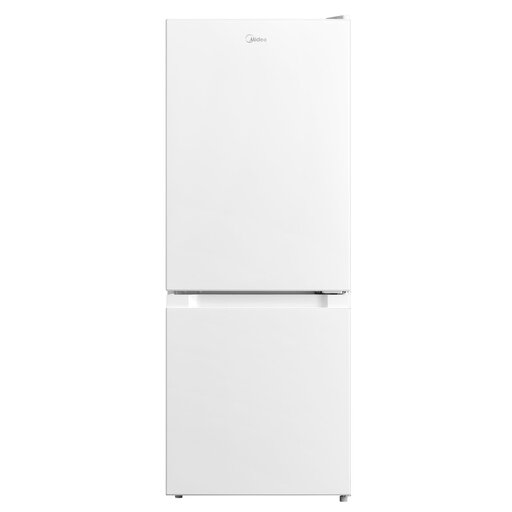
Consider this shorter freestanding model where appliance height limits your choice, provided its freezer holds your usual supply of rolls. Its name specifies a white finish and E energy rating. Low Frost should not be treated as the same feature as Frost Free.
Compare frozen-compartment volume in litres, not just the fridge-freezer’s combined capacity. Check the drawer or shelf layout too, because bags and trays of rolls need to fit without being crushed.
It is worth checking if you regularly add sizeable fresh batches. Which? assesses freezing speed in its appliance testing, while named Fast Freeze and Super Freeze functions are specific to the models that offer them; check the exact appliance instructions.
No. Frost Free addresses ice build-up and manual defrosting, while a fast-freeze function concerns newly added food on models that have one. Do not use either feature name as proof of the other.
Check the model’s energy label alongside its frozen-compartment volume, rather than comparing total capacity alone. UK government guidance requires products within the energy-labelling rules to have an accurate printed label and to display an energy label at the point of sale.
Only choose one for that location if its exact model guidance permits the expected ambient temperatures for the compartments you will use. Beko says the freezer compartment of its BCFD4V73 can operate down to -15°C, but advises against using that model’s fridge compartment at low ambient temperatures.