Space-limited sharers
If the kitchen has a measured gap for a freezer, you need to know both whether the appliance fits and whether everyone can reach their labelled portions.


Choose an undercounter freezer when space is tight and each person needs a modest, clearly separated allocation; choose a tall upright model when regular batches call for more organised storage. A chest freezer suits larger, less frequent batches if there is floor space and everyone can keep portions accessible. For any format, check the actual drawer layout, fresh-food freezing capacity, defrost method and installation requirements rather than relying on its size alone.
If the kitchen has a measured gap for a freezer, you need to know both whether the appliance fits and whether everyone can reach their labelled portions.
If you blanch green beans repeatedly, usable storage and the stated fresh-food freezing capacity matter alongside the number and layout of compartments.
If responsibility for defrosting or checking the door is shared, look at the exact model’s defrost method and whether it has a door-open alarm.
Choose when: The available space is limited and the household freezes modest, regularly portioned amounts.
Trade-off: The smaller format leaves less room for a large blanching session.
Choose when: Regular batches and separate storage areas matter more than keeping the appliance low.
Trade-off: Check the full appliance position and door swing; a tall unit will not suit every shared kitchen.
Choose when: Large batches are occasional and there is floor space for a top-loading appliance.
Trade-off: Shared portions need baskets, labels and a rotation routine to stay easy to find.
Choose when: The freezer must sit behind an existing kitchen cabinet door.
Trade-off: Housing dimensions and the sliding or fixed hinge arrangement must match; the installation is less flexible if the kitchen changes.
| Concern | What to check | Who this matters to |
|---|---|---|
| Fit and fair access | Measure the appliance space, door swing and required clearances; inspect how compartments could be divided. For an integrated unit, check the housing and hinge type. | If space is tight, I need everyone’s labelled portions to remain reachable without blocking the kitchen. Around 40% of consumers would put fit and fair access first. |
| Batch capacity | Compare usable litres, compartment layout and the rated fresh-food freezing capacity in kg/24 h for the exact model. | When I freeze several portions after blanching, I need room to organise the batch as well as capacity to freeze it. For around 30% of consumers, batch capacity is the primary concern. |
| Defrosting and oversight | Confirm whether the model is frost-free or needs manual defrosting, and whether it has a door-open alarm. | With several people opening the freezer, I want a manageable defrost routine and a way to notice a door left open. Low-maintenance operation comes first for around 30% of consumers. |
Capacity does not show whether several people can separate their portions or how much fresh food a model is rated to freeze in a day. Bosch UK lists 83 L and 4.0 kg/24 h for the GTV15NWEBG; Beko UK lists 177 L and 10 kg/24 h for the FNE4545W.
Compare the exact model’s litres, kg/24 h rating and compartment layout, then measure its intended position and door clearance.
Top-loading storage can make an individual bag harder to find, while some chest models require manual defrosting.
Use this format when bulk storage is the priority, and agree how baskets, labels and portion rotation will work before buying.
A replacement also has to suit the cabinet housing and existing door-hinge arrangement. Integrated freezers can use sliding or fixed hinges, so check which type your cabinet requires.
Record the housing dimensions and hinge type, then confirm installation requirements for the exact replacement.
Fast-freeze functions and door alarms do not organise or identify anyone’s green beans for them.
Agree on sealed, dated and named portions, how older portions will be used, and who will respond if the door is left open. If the kitchen supports a food business, check the applicable registration and food-safety duties.
These brands offer examples across different freezer formats; compare features on the particular model rather than assuming they apply across a range.
A reference for undercounter and tall freestanding freezers where compact placement or recurring batches shape the choice.
A reference when comparing undercounter, freestanding and built-in formats.
A reference for households considering an integrated freezer alongside freestanding or chest formats.
These built-under, built-in and freestanding upright options offer different ways to store green bean portions in a shared kitchen. Match the format to the available space, then check the exact model’s installation and batch-freezing requirements.
 No image available
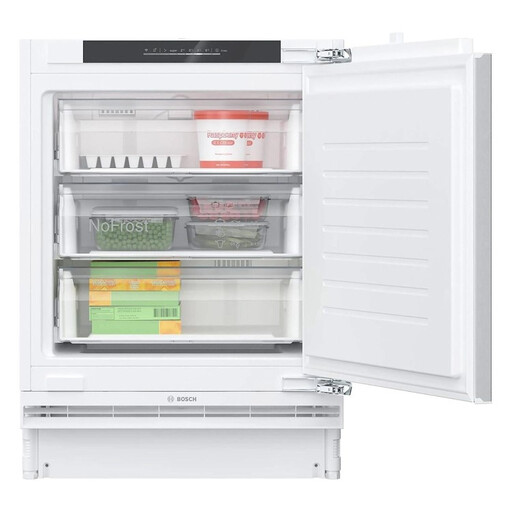
Consider a built-under format when the shared kitchen has a suitable installation space. This white, E-rated model is described as No Frost; confirm the housing, ventilation requirements and rated kg/24 h capacity before using it for regular batches.
 No image available
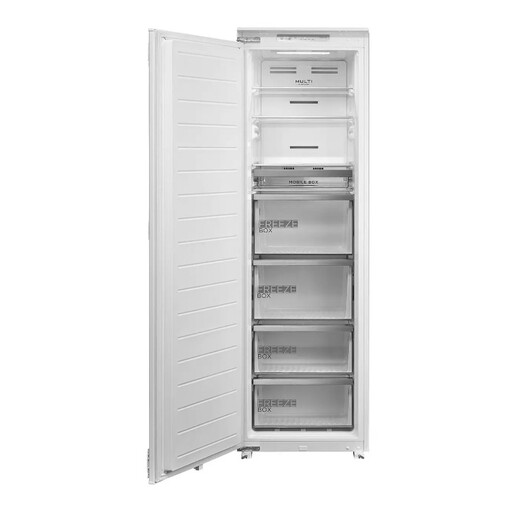
This integrated format is worth considering when the shared kitchen already has suitable cabinetry. Its title specifies a sliding hinge and E rating; confirm the housing, ventilation clearances and rated kg/24 h capacity for the planned batches.
 No image available
A freestanding upright format may suit a household allocating space for recurring batches. This white model has an adjustable thermostat, reversible door and 4-star freezing rating; allow for manual defrosting and check its dimensions and rated kg/24 h capacity.
 No image available
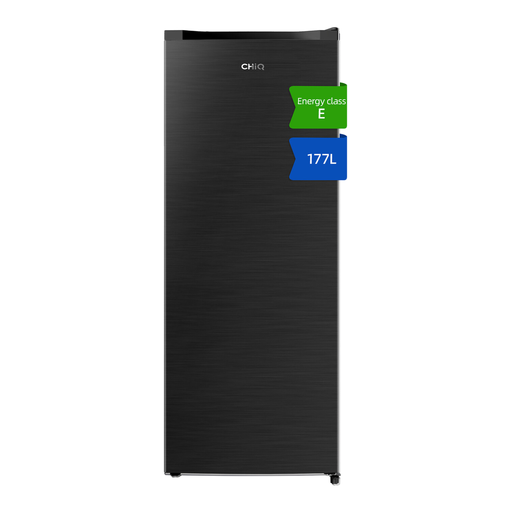
This tall format is an option when the household can accommodate an upright appliance. Its title gives a width of 54 cm and height of 144 cm with a Premium Black Steel finish; check the full installation clearances, defrost method and rated kg/24 h capacity.
 No image available
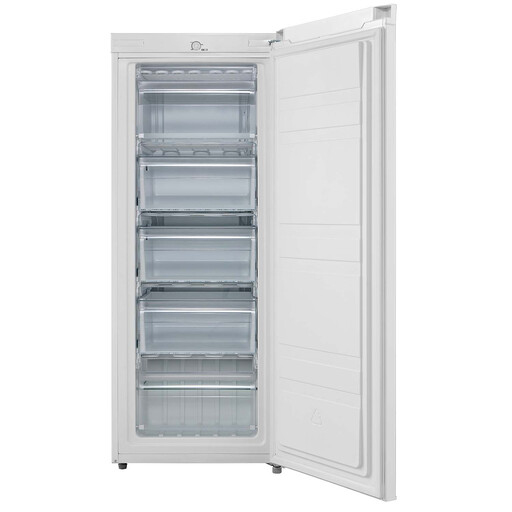
Consider this compact upright format if the shared kitchen needs a smaller freezer allocation. Its title specifies a 55 cm width, white finish and E rating; plan for manual defrosting and check the remaining dimensions, clearances and rated kg/24 h capacity.
No: a chest freezer is most relevant when batches are large and less frequent, there is enough floor space, and everyone can maintain a basket and labelling system. For everyday shared access, consider whether an upright unit’s compartments make portions easier to find.
Prioritise it if you regularly add several fresh portions after blanching, but compare the exact model’s rated fresh-food freezing capacity in kg/24 h as well. Beko UK lists Quick Freeze alongside a 10 kg/24 h rating for the FNE4545W; that rating does not apply to other models.
It is worth considering if nobody can take regular responsibility for manual defrosting. Check the exact model’s defrost method: a freezer described as low-frost or manual-defrost is not the same choice as one specified as frost-free.
Agree on sealed portions labelled with a name and date, a place for each person’s food, and a routine for using older portions. Keeping bags identifiable and accessible matters regardless of the freezer format.
Sharing a domestic kitchen alone does not establish that you run a food business. If the kitchen is used to operate a food business in England, Northern Ireland or Wales, GOV.UK and the Food Standards Agency require registration with the local authority; the Food Standards Agency says to register at least 28 days before trading or food operations start. Ask the local authority about an uncertain arrangement or one in Scotland.