Small-kitchen pizza batch cook
You freeze individual dough portions but have little floor space near the kitchen worktop. Check whether you can open and reach into a chest freezer before choosing capacity.


Choose a chest freezer for pizza dough only if you can give it a measured floor position and enough room above it to open the lid; spare space beneath a worktop is not enough. A compact model makes more sense for modest batches, while a larger chest freezer needs enough regular use to justify its footprint. If the only available space is beneath a worktop, compare an under-counter upright freezer instead.
You freeze individual dough portions but have little floor space near the kitchen worktop. Check whether you can open and reach into a chest freezer before choosing capacity.
You prepare several dough balls at once and want to retrieve labelled portions without digging through other food. More storage may help, provided the wider appliance fits where you plan to use it.
You could keep a freezer outside the kitchen, but need a model documented for the temperatures expected in that location, as well as space to open its lid.
Decide where the freezer can be opened and loaded before comparing litres. If the only available position is beneath a worktop, compare the drawer space in an under-counter upright with the size of your dough containers.
| Concern | What to check | Who this matters to |
|---|---|---|
| Footprint and lid access | Measure the floor position, delivery route and full lid-opening path; check the exact model’s installation clearances. | If kitchen space is tight, I need to reach my dough without a worktop or shelf blocking the lid. Around 42% of consumers would put physical fit and access first. |
| Batch capacity and retrieval | Compare the portions and other food you keep at once with stated capacity, and check the basket layout. | When I freeze several pizza batches, I want to find labelled portions without emptying the chest. Capacity and organisation come first for around 33% of consumers. |
| Unheated-room placement | For a garage or other unheated space, check the exact model’s stated ambient-temperature range against the intended location. | Moving frozen food out of my kitchen helps only if the appliance suits that room’s temperatures. Around 25% of consumers would prioritise placement conditions. |
A chest freezer can fit beside a worktop yet be difficult to load if a shelf or cabinet obstructs its lid.
Measure the full opening path and delivery route, then check the exact model’s installation instructions for required clearances.
Low-ambient operating claims apply to particular models, not to every chest freezer from the same brand.
For an unheated location, compare the expected temperature with the stated operating conditions of the exact model.
A larger chest freezer takes more floor space, even when you rarely need its additional storage.
Work out how many dough portions and other frozen items you normally keep at once before choosing between compact and larger formats.
That makes it harder to take out just the dough needed for one pizza or find an older batch.
King Arthur Baking advises dividing dough after its first rise, then wrapping and freezing the portions. Label them and use an accessible basket where the freezer has one.
These particular models illustrate different capacity and placement choices; their specifications do not apply to every freezer made by each brand.
Beko’s CF4098 and CF4308 illustrate how much the required floor position can change within one chest-freezer range.
The INCF 1984 UK is a medium-capacity option for a position that can accommodate a wider chest freezer.
The FC200N1AWE1 offers a 198-litre example to compare with other medium-capacity models.
The L145CFW25 is a compact-to-mid-size option where a modest width matters more than maximum capacity.
These chest freezers cover compact dough storage and larger batch or outbuilding placements. Choose by the space and storage you can actually use; a chest freezer is not a substitute for an under-counter upright where the lid cannot open.
 No image available
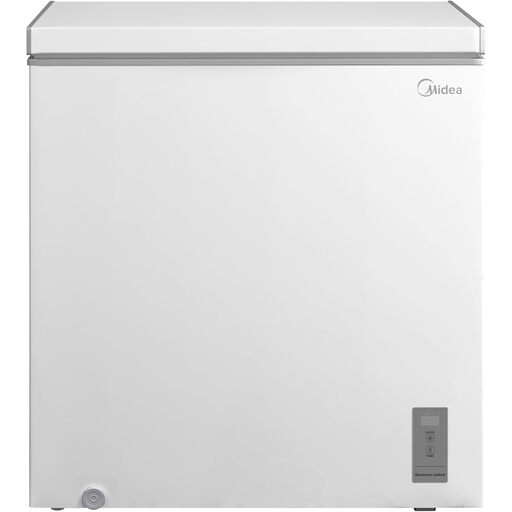
Consider this medium-capacity model for regular dough batches kept alongside other frozen food.
Measure its intended floor position, delivery route and lid clearance. For an unheated location, check its stated operating conditions against the temperatures expected there.
 No image available
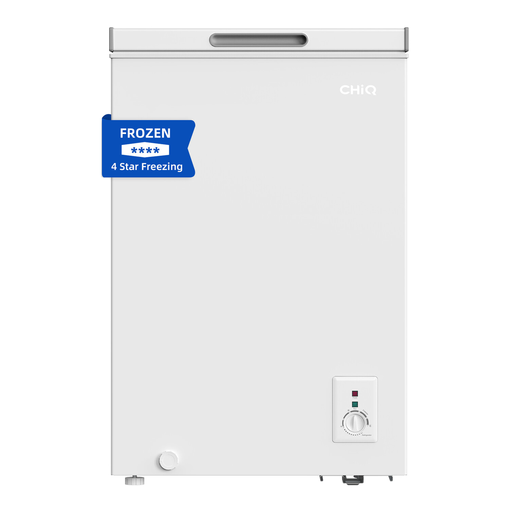
Consider this compact-capacity option if you freeze modest batches and have a narrow floor position.
Check that it holds your usual dough portions and other food, and that its lid can open at the intended position. Confirm its ambient-temperature rating before considering an unheated room.
 No image available
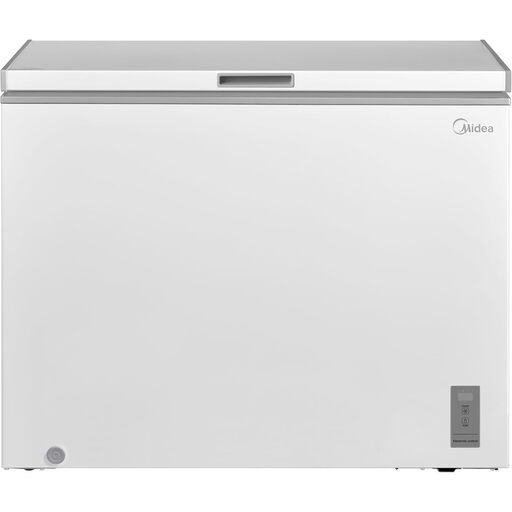
Consider this larger-capacity model if substantial frozen storage can be placed away from a crowded kitchen.
Its size calls for careful checks of the floor position, delivery route and lid-opening space. If the location is unheated, compare its stated operating conditions with the expected temperature.
 No image available
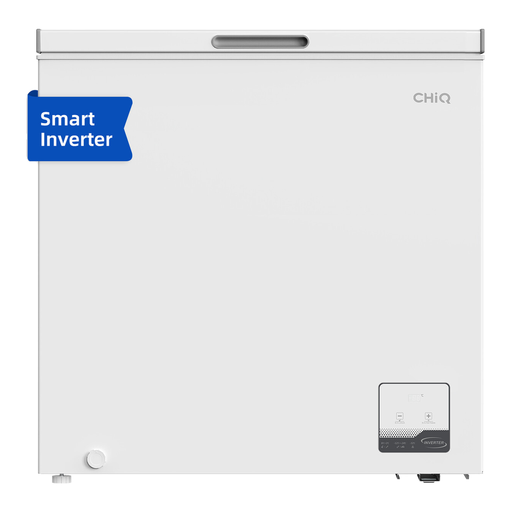
Consider this medium-capacity choice when repeated dough batches justify more storage than a compact chest provides.
Check the available floor space and overhead lid clearance. Confirm its ambient-temperature rating if you plan to use it in an unheated room.
 No image available
Consider this wide, larger-capacity model only where substantial frozen storage justifies the floor space.
Measure the delivery route, position and lid-opening clearance. If it will stand in an unheated location, check its stated temperature conditions; plan for periodic defrosting.
Only if the position allows the lid to open and gives you practical access for loading it. Measure the full opening path and the model’s required clearances; if the only usable space is a conventional under-worktop void, compare an under-counter upright freezer.
Choose capacity around the most dough portions and other frozen items you normally store at once, rather than litres alone. Compact models in this article are listed at 98–143 litres and medium examples at 198 litres, but basket layout and the space available to open the freezer also matter.
Yes. King Arthur Baking advises allowing the first rise, then dividing, wrapping and freezing the dough. Follow your recipe’s instructions for using the thawed portions and label them so you can identify each batch.
Yes, if the exact model is documented for the temperatures expected in that garage and its installation requirements can be met. The CF4098, the Hisense FC200N1AWE1 and the INCF 1984 UK are all stated as suitable or operable down to -15°C; that condition must not be assumed for other models.