
24/7 Customer Support

Free returns

Same-day & Next-day Delivery

Quality Guaranteed

Unlock Your Welcome Offers: FREE Delivery | Up to 80% OFF | Free 30-day JoyPlus trial
Download the APP
Choosing French red wine online can be harder than it looks. Labels may highlight famous regions, traditional grape varieties or polished tasting notes, while leaving out details that matter when the bottle reaches your dinner table.
For UK shoppers, the main risks are paying for a prestigious-sounding name without checking the style, buying a case that does not suit the occasion or overlooking practical information such as bottle size, alcohol content and vegan suitability. This guide explains what to check before you buy and matches several options to different drinking preferences.
A Bordeaux red wine can range from light and approachable to structured and oak-influenced. Similarly, a Côtes du Rhône red wine may be fruit-forward and soft or richer, warmer and more full-bodied. The appellation provides useful context, but it does not replace checking the grape blend, alcohol percentage and tasting profile.
French wine case deals can reduce the cost per bottle, but only if the wine suits your regular meals and drinking habits. A case of full-bodied red may be unsuitable if you mainly serve salads, poultry or lighter dishes. Check whether the case contains one repeated wine or a mixed selection, then compare the total number of bottles and the cost per 75cl bottle.
Most wine contains sulphites, which must be declared as an allergen. Vegan suitability is not automatic because some wines may use animal-derived fining agents during production. If this matters to you, look for clearly stated information such as Suitable for Vegans, rather than assuming that a French wine is vegan because it is made from grapes.
The grape blend is often a better guide to flavour and structure than the front label alone.
A standard French red wine 75cl bottle contains 750ml. Alcohol strength varies across the range, with examples in this selection listed between 13% and 14.5% ABV. A 125ml glass of a 14% wine contains approximately 1.75 UK units, although the exact figure depends on the bottle’s stated ABV.
UK Chief Medical Officers advise that adults should not regularly exceed 14 units per week. Wine is for adults aged 18 and over, and it is safest to avoid alcohol during pregnancy. Always check the product label for the final alcohol and allergen information.
Serving temperature can change how a wine tastes. Light and fruity reds such as Beaujolais Villages wine may be enjoyable slightly cool, while fuller Bordeaux or Rhône styles are usually served closer to room temperature.
Match the structure of the wine to the food:
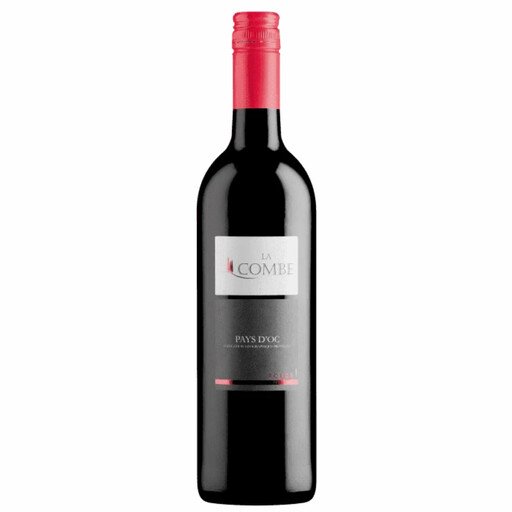
Why This Fits Their Persona: A practical introduction to French red wine for weeknight meals, informal gatherings and shoppers who prefer an approachable Southern French style.
The listing identifies the Pays d’Oc region, grape blend and vegan suitability, making it easier to assess than a label based only on vague premium language.
Syrah, Merlot, Cinsault and Carignan blend; suitable for vegetarians and vegans; works with pizza, pasta, grilled meat and cheese.
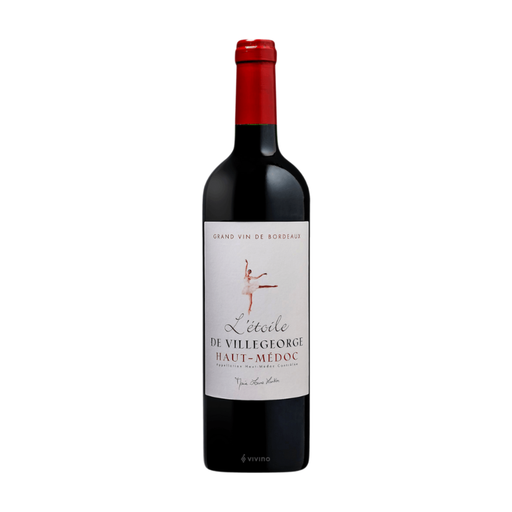
Why This Fits Their Persona: Suited to dinner hosts and Bordeaux drinkers looking for a more structured bottle for roast meat, gifting or a special meal.
The product information gives the appellation, grape varieties, serving guidance and stated storage advice rather than relying solely on prestige terminology.
Cabernet Sauvignon, Merlot and Petit Verdot; 13.5% ABV; suitable for vegetarians; listed with dark fruit, cedar and spice notes.
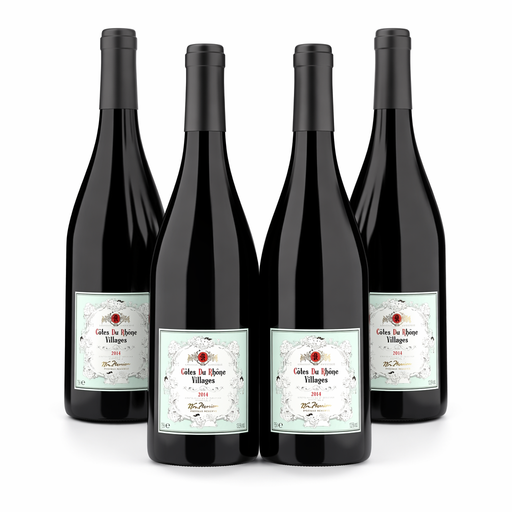
Why This Fits Their Persona: A case format for regular hosts, larger households or shoppers who want bottles ready for hearty dinners and weekend entertaining.
The case listing states the region, vegan suitability, ABV and bottle units, helping shoppers compare practical value before ordering.
14% ABV; suitable for vegans; peppery raspberry, plum, herb and spice descriptions; suited to rich meat dishes and hard cheese.
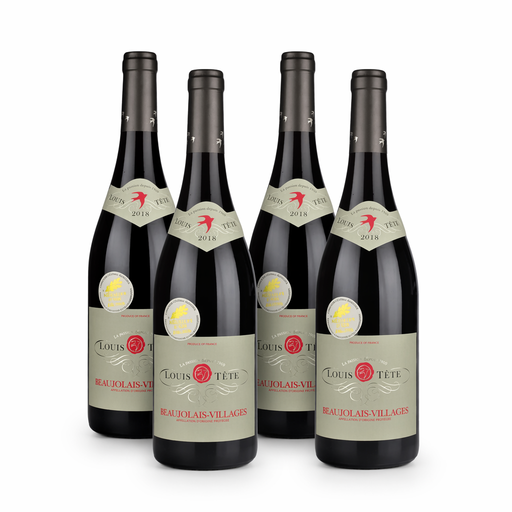
Why This Fits Their Persona: A useful option for casual dinners, picnics and shoppers who prefer fresh red-fruit flavours over heavy tannins.
The Gamay grape, lighter profile and recommended serving temperature are clearly stated, reducing the risk of expecting a heavier Bordeaux-style wine.
Gamay-based Beaujolais Villages wine; 13% ABV; red fruit and floral notes; suitable for poultry, charcuterie, mushrooms and young cheese.
We have compiled a complete, real-time list of products that fully satisfy these strict selection criteria and UK safety regulations.
Store unopened bottles in a cool, dark place, away from direct sunlight and temperature fluctuations. Once opened, re-cork the bottle and refrigerate where appropriate; many young reds are best consumed within two to three days.
For a red wine for dinner, avoid serving it too warm. Slightly cooling a fruity red can make it feel fresher, while fuller wines may benefit from being served around 15–18°C. Check the individual product listing for specific guidance.
No. Most French red wine sold as table wine is dry, but sweetness, fruit character and acidity vary considerably. Check the tasting notes and grape variety rather than relying only on the word “French”.
A standard bottle is 75cl, equal to 750ml. A 125ml glass provides six servings per bottle, although actual pouring sizes may differ at home or when entertaining.
It can reduce the per-bottle cost, but compare the case contents, delivery charges and suitability for your meals first. A single bottle may offer better value if you are still discovering whether you prefer Bordeaux, Burgundy, Beaujolais or Rhône styles.