
24/7 Customer Support

Free returns

Same-day & Next-day Delivery

Quality Guaranteed

Unlock Your Welcome Offers: FREE Delivery | Up to 80% OFF | Free 30-day JoyPlus trial
Download the APP
Shopping for French wine and spirits online can be convenient, but attractive labels and phrases such as “premium”, “reserve” or “small batch” do not always tell you what matters at home. The practical choice depends on origin, alcohol strength, bottle size, flavour profile and how much you actually need.
Whether you are comparing French red wine, Bordeaux wine, Provence rosé, French lager or pink gin, checking the product details before ordering helps avoid unnecessary spending.
A darker red wine is not automatically fuller-bodied, while a pink gin may still contain a relatively high alcohol percentage. Check the ABV and UK alcohol units rather than relying on colour or premium-looking packaging.
For reference, the listed products include:
These figures make a significant difference when selecting drinks for a dinner, gathering or gift.
Wine case deals can reduce the need to reorder, but a large case may not suit occasional drinkers or households with limited storage. Compare the number of bottles, bottle size and total alcohol units before assuming a case offers better value.
A standard 75cl wine bottle contains approximately six 125ml glasses. A 10-bottle lager pack, by contrast, may be more suitable for a casual gathering where smaller servings are preferred.
Wine commonly contains sulphur dioxide or sulphites, and lager generally contains barley, a cereal containing gluten. Gin products may list no known allergens, but ingredient information can still vary between products. Always check the current packaging and product listing, particularly when buying for guests.
The region provides useful context, but it should not be treated as a guarantee of personal preference. Bordeaux wine often refers to wines produced in or associated with the Bordeaux region, while Provence rosé describes a style and regional origin linked with southern France.
For example, Chateau Carbonneau Cuvée classique is listed as coming from Saint Foy in southwestern France, using Merlot and Cabernet Sauvignon. Cellier Saint-Sidoine Tradition Rosé is listed as Provence AC, with Grenache, Cinsault and Syrah. These grape varieties can help you anticipate the general character, although serving conditions and individual taste remain important.
Check whether you are buying one bottle, a multi-pack or a case. A 70cl gin bottle is a common format for spirits, while wine is generally sold in 75cl bottles. Salcombe Sainte Marie Rosé Gin is available as a single 70cl bottle and as a pack of two.
For a more accurate comparison, look at:
Saint-Omer Export Lager contains 10 x 25cl bottles and is listed at approximately 9.4 units per pack. St. Omer Shandy Beer contains 10 x 25cl cans at 0.5% ABV, with approximately 0.125 units per can. Despite the similar pack format, these are very different choices in terms of strength and occasion.
Use the product description to match the drink with food or an event, rather than buying solely on the label.
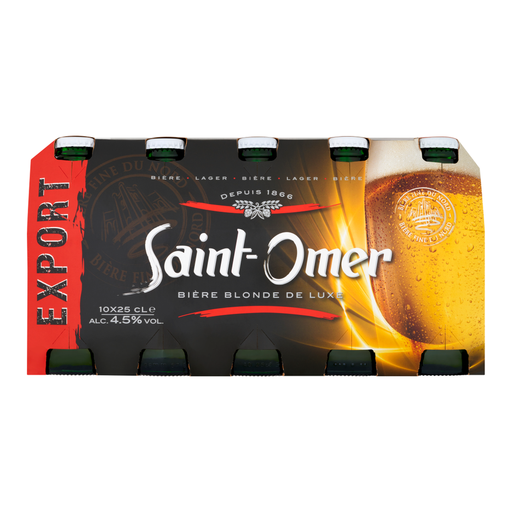
Why This Fits Their Persona: A straightforward multi-pack for UK shoppers who want chilled lager for informal evenings or small gatherings without committing to a wine case.
The listing clearly states the 10 x 25cl format, 4.5% ABV and approximately 9.4 UK units per pack, making the quantity easier to assess.
French origin; compact 25cl bottles; ingredients and barley allergen information are provided.
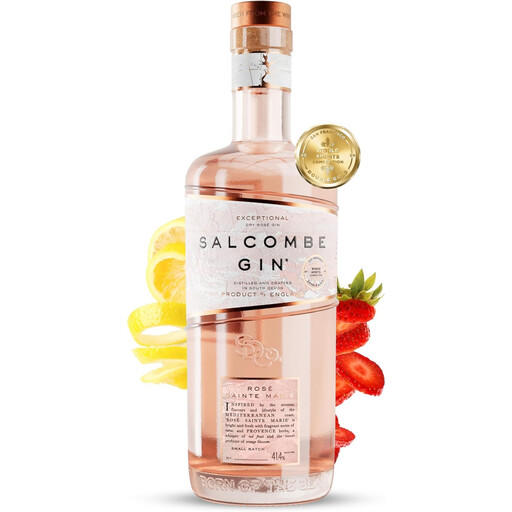
Why This Fits Their Persona: A suitable option for adults looking for a distinctive pink gin for cocktails, hosting or alcohol gift ideas.
The listing identifies the 70cl volume, 42% ABV, botanical ingredients and vegan suitability instead of relying only on appearance.
Rose and raspberry flavourings; juniper, angelica, coriander and lemon peel; also available in a two-bottle pack.
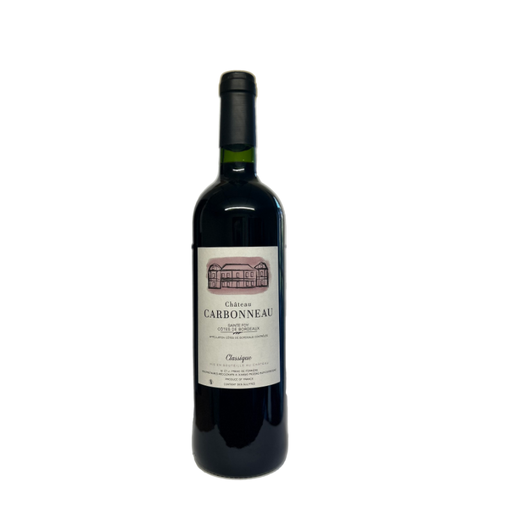
Why This Fits Their Persona: A 75cl Bordeaux-region red for dinner parties, roast dishes and occasions where food pairing is central to the purchase.
The listing gives the grape varieties, sulphite allergen notice, 14.5% ABV and approximately 10.88 UK units per bottle.
Merlot and Cabernet Sauvignon blend; described with black fruit, vanilla and cedar notes; case format also available.
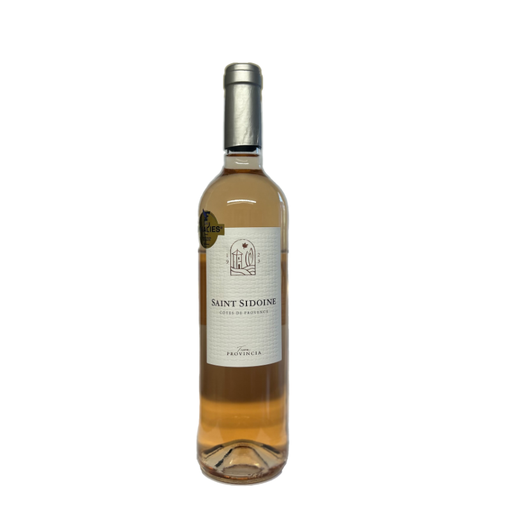
Why This Fits Their Persona: A Provence rosé for picnics, seafood, salads, tapas or relaxed drinks at home.
Its listing specifies the 75cl size, 13% ABV, 9.75 UK units per bottle, grape blend and sulphite information.
Grenache, Cinsault and Syrah blend; fresh red berry, peach and citrus descriptions; single-bottle and case options.
A single bottle is usually easier to trial when you are unfamiliar with a region or grape blend. A case may be more practical for a dinner party, regular entertaining or planned gifting, but check that the case contains the same product and bottle size you intended to buy.
For example, the Chateau Carbonneau Cuvée classique is available as an individual 75cl bottle and as a case deal. A Provence rosé case can also be useful for summer events, while a two-bottle pack of pink gin may suit gifting or households that already know they enjoy the style.
When you buy wine online in the UK, compare the price per bottle, delivery conditions, pack quantity and storage space—not only the headline discount.
We have compiled a complete, real-time list of products that fully satisfy these strict selection criteria and UK safety regulations.
Alcohol products are restricted to adults aged 18 and over. Online orders may require age verification at checkout or delivery. Store wine, gin and lager in a cool place away from direct sunlight, and follow the product label for serving and storage instructions.
The UK Chief Medical Officers advise adults not to regularly exceed 14 units per week. Alcohol should be avoided during pregnancy, and anyone choosing to drink should do so responsibly.
Check the region, grape varieties, bottle size, ABV, UK units, allergen information and delivery details. Product descriptions such as Bordeaux or Provence provide useful regional context, but flavour notes and food pairing suggestions are equally important.
A 75cl bottle provides approximately six 125ml glasses. That may be sufficient for a small meal, but larger gatherings may require a case or several bottles. Plan around the number of guests and responsible serving sizes.
Pink gin refers primarily to the drink’s colour and flavour direction, often involving red fruit or floral notes. Premium gin is a category description that may relate to ingredients, production method or positioning. Compare the actual ABV, botanicals, flavourings, volume and ingredients instead of relying on either phrase alone.