
24/7 Customer Support

Free returns

Same-day & Next-day Delivery

Quality Guaranteed

Unlock Your Welcome Offers: FREE Delivery | Up to 80% OFF | Free 30-day JoyPlus trial
Download the APP
French wine case deals can make buying wine online in the UK more convenient and potentially reduce the cost per 75cl bottle. However, a large case is only worthwhile when the wines suit your meals, storage space and drinking plans. The wrong selection can leave you with bottles that are too heavy for everyday food, too sweet for your preference or difficult to finish before their freshness fades.
This guide explains the practical details to check before ordering French red wine, French white wine or French rosé wine, followed by recommendations for different shopping needs.
Bordeaux wine, Burgundy wine and Loire Valley wine can all vary considerably in grape variety, body, acidity and serving style. A regional name is useful, but it does not tell you everything about the bottle.
For example, Loire Valley Sauvignon Blanc is generally associated with fresh acidity and citrus-led flavours, while a Loire Muscadet Sèvre et Maine may offer a more saline, mineral profile. In Burgundy, Beaujolais wine made from Gamay is often lighter and fruit-forward, whereas many Burgundy Pinot Noir wines have a different structure and aroma profile.
A case deal may reduce the unit price, but the saving is less useful if you only enjoy one or two bottles. Check the number of bottles, price per 75cl bottle, delivery charge and whether the case contains identical or mixed wines.
It is also worth checking whether the product is a single-bottle listing or a case listing. Similar names can appear separately, so read the product title and pack information carefully before paying.
Wine sold in the UK must carry relevant product information, but shoppers should still review the listing and bottle label. Most wines contain sulphites, which must be declared as an allergen. Fining methods can also affect whether a wine is suitable for vegans or vegetarians.
Alcohol content varies between styles. A 13% wine in a 75cl bottle contains approximately 9.75 UK units, while a 14% wine contains approximately 10.5 units. The UK Chief Medical Officers advise adults not to regularly exceed 14 units per week. Alcohol should be enjoyed responsibly, and it is safest to avoid it during pregnancy.
Use the grape variety and regional style together:
Most case deals use 75cl wine bottles. Confirm the quantity and alcohol percentage, particularly if you are buying for a dinner party and need to estimate servings.
Fresh French white wine and rosé wine are usually selected for drinking relatively young. Structured reds may have longer keeping potential, but storage conditions matter. Keep unopened bottles away from direct sunlight, strong odours and temperature fluctuations. Follow the product label where its storage guidance differs.
Matching the wine to the occasion is more practical than choosing by price alone:
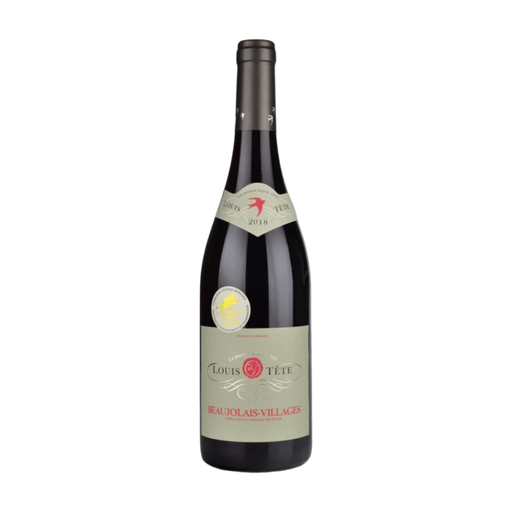
Why This Fits Their Persona: A light-bodied French red wine for casual meals, picnics and customers exploring Burgundy styles without choosing a strongly tannic bottle.
The listing identifies the Beaujolais Villages region, Gamay grape, 13% ABV and recommended serving temperature, rather than relying only on a broad regional description.
Fresh cherry and raspberry character; suitable for chicken, pork, charcuterie, mushrooms and young cheese.
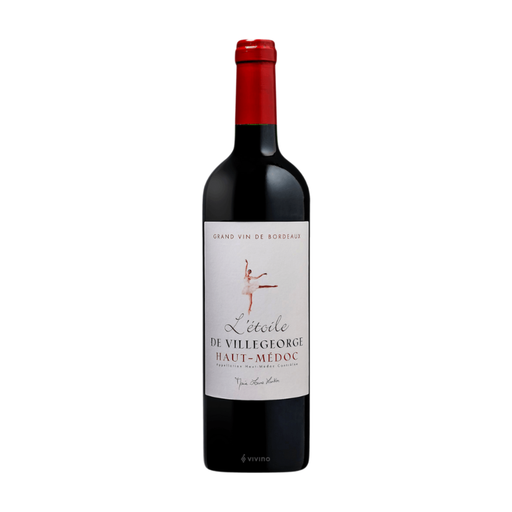
Why This Fits Their Persona: A structured Bordeaux red for a formal meal, gifting or customers who prefer dark fruit, oak notes and a fuller palate.
The listing gives the appellation, grape blend, 13.5% ABV, food pairings and storage guidance, helping shoppers assess structure before buying.
Cabernet Sauvignon, Merlot and Petit Verdot blend; designed for red meat, lamb, braised beef and mature cheese.
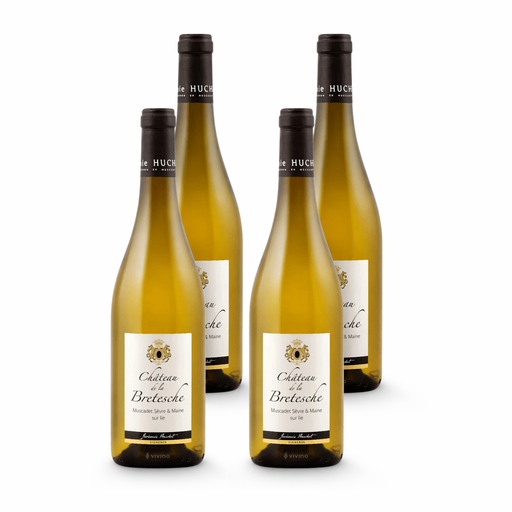
Why This Fits Their Persona: A practical case choice for seafood dinners, summer hosting and households that regularly serve chilled French white wine.
The product specifies 100% Melon de Bourgogne, the Sèvre et Maine appellation and the Sur Lie method, giving useful detail beyond the word “white”.
12% ABV; citrus, green apple and saline notes; pairs with oysters, shellfish and grilled fish.
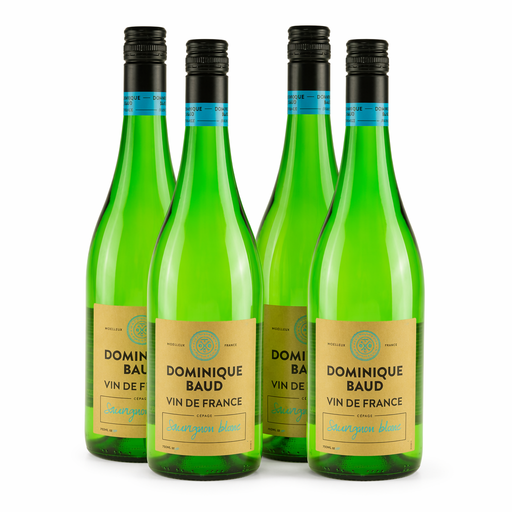
Why This Fits Their Persona: A Loire Valley Sauvignon Blanc for aperitifs, gatherings and meals where a crisp, easy-to-pair white is useful.
The listing provides grape, appellation, 13% ABV, sulphite information and serving suggestions, making the case easier to assess for a mixed guest list.
Dry, light-to-medium body with grapefruit, lime, passion fruit and tart apple notes; suitable for seafood, salads and goat’s cheese.
We have compiled a complete, real-time list of products that fully satisfy these strict selection criteria and UK safety regulations.
They can offer a lower price per bottle, but this depends on the pack size, promotional pricing and delivery cost. Divide the total price by the number of 75cl bottles before ordering, then compare the result with individual listings.
Fresh white wine and rosé wine are generally more enjoyable soon after opening. Reseal and refrigerate them, and follow the product guidance. Light reds may also benefit from refrigeration after opening. Always check the label, as recommended storage and use periods vary.
A Loire Valley Sauvignon Blanc or Muscadet can cover seafood, salads and lighter dishes. Beaujolais wine is adaptable with poultry, pork and charcuterie, while Bordeaux wine or Côtes du Rhône wine is more suitable for red meat and richer recipes. Choose according to the menu rather than the region name alone.