
24/7 Customer Support

Free returns

Same-day & Next-day Delivery

Quality Guaranteed

Unlock Your Welcome Offers: FREE Delivery | Up to 80% OFF | Free 30-day JoyPlus trial
Download the APP
Finding suitable French wine case deals can make hosting, gifting and everyday drinking more convenient. However, a large case is not automatically good value. The wrong mix may leave you with bottles that do not suit your meals, guests or storage space.
The key is to look beyond attractive labels and vague descriptions. Check the wine’s grape variety, origin, alcohol percentage, serving style and vegan suitability before comparing the case price.
A “case deal” may contain different quantities depending on the listing. Check whether you are buying several 75cl wine bottles, a mixed selection or a single-bottle listing. Calculate the cost per bottle before deciding whether the offer fits your budget.
Terms such as Languedoc, Loire Valley and Pays d’Oc describe broad geographical or classification information, but they do not guarantee a particular flavour profile. A crisp Picpoul de Pinet is very different from a full-bodied Minervois red, even though both may come from southern France.
Look for the grape variety and style as well as the origin:
Organic wine concerns vineyard and production practices, while vegan wine refers to the absence of animal-derived products in the winemaking or fining process. These are separate considerations.
The product information should be your reference point. For example, the Kate Organic Sauvignon Blanc listing states that it is suitable for vegetarians and vegans, while several other wines specifically identify vegan suitability. Always check the current packaging if this is essential to your purchase, as production details can change between vintages.
Start with the occasion rather than the label. For seafood, shellfish and salads, look for wines with freshness and acidity. Picpoul de Pinet, Sauvignon Blanc and Sauvignon Gris are practical options for oysters, grilled fish, goat’s cheese and vegetable dishes.
For a richer or warmer meal, consider a French red wine. A light Pinot Noir can suit roast duck, salmon, mushroom dishes and soft cheese. A Languedoc blend such as Palooza Rouge may be more suitable for pasta, charcuterie, grilled meat and firm cheese. More structured reds, such as Minervois La Livinière, are better matched with robust dishes.
Alcohol strength affects both taste and total intake. A 75cl bottle at 13% ABV contains approximately 9.75 UK units, although the exact figure depends on the label. A bottle at 14% ABV contains more.
Check the ABV, serving size and stated units before buying several bottles. UK Chief Medical Officers advise adults who drink regularly not to exceed 14 units per week. Drink responsibly, never drink and drive, and observe the legal age requirement of 18.
Most fresh French white wine styles are intended to be enjoyed relatively young. Store bottles away from heat and direct sunlight, then chill crisp whites to around 8–10°C. Aromatic Viognier can also be served chilled, while light Pinot Noir and fruit-forward reds may show better balance at approximately 15–18°C rather than at room temperature.
For a case, make sure you have suitable storage. A cool, dark cupboard is preferable to a warm kitchen or conservatory. Once opened, reseal unfinished wine and follow the product guidance.
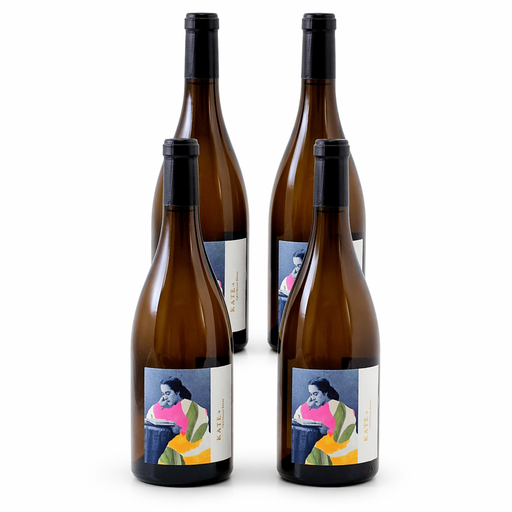
Why This Fits Their Persona: A straightforward case option for shoppers wanting a familiar, refreshing white wine for casual lunches, gatherings and everyday serving.
The listing identifies the grape, French origin and vegan suitability, helping you assess the bottle beyond its organic positioning.
Citrus and green-apple notes are described in the listing; suitable for vegetarian and vegan shoppers.
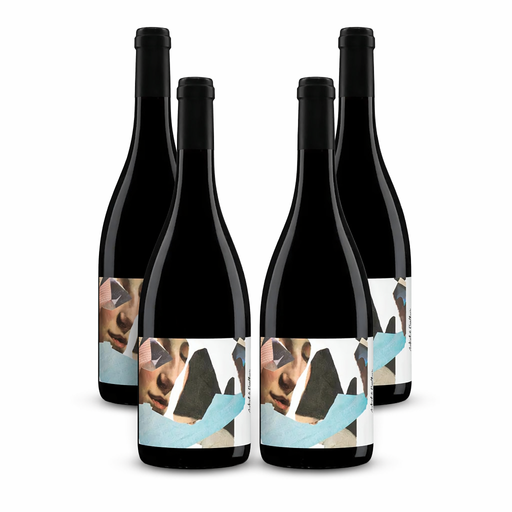
Why This Fits Their Persona: Suits dinner hosts and red-wine drinkers looking for a structured Languedoc bottle for roast meat, game or mature cheese.
The listing gives the Minervois La Livinière appellation, grape blend information and stated alcohol percentage for more informed comparison.
Syrah, Mourvèdre and Grenache are listed; suitable for vegetarian and vegan shoppers.
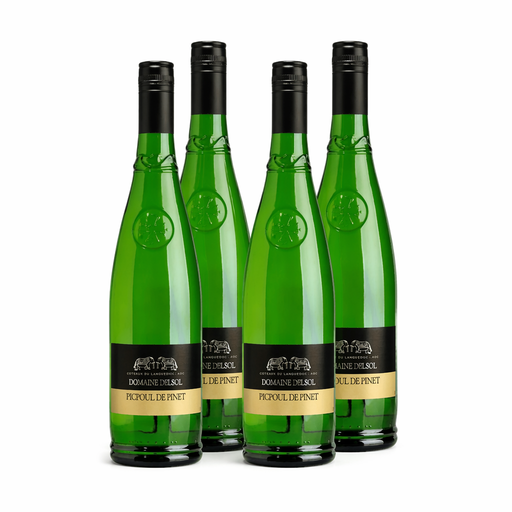
Why This Fits Their Persona: A practical choice for frequent hosts who regularly serve seafood, shellfish, salads and goat’s cheese.
Its listing clearly states 100% Picpoul Blanc, French origin, AOP Picpoul de Pinet and an approximate 12.5% ABV.
Described with citrus and saline-mineral notes; suitable for vegan shoppers.
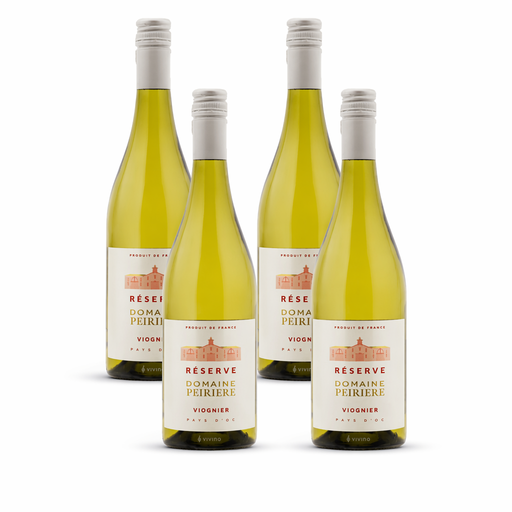
Why This Fits Their Persona: Designed for shoppers who prefer fragrant, fuller-textured whites with seafood, spicy food, salads or soft cheese.
The listing specifies Viognier, Pays d’Oc origin, sulphite information and vegan suitability rather than relying only on regional wording.
The product description lists apricot, white peach and floral notes; stated ABV is approximately 13%.
We have compiled a complete, real-time list of products that fully satisfy these strict selection criteria and UK safety regulations.
They can be, particularly when the recipient enjoys a known grape or style. A mixed case offers variety, while a case of Sauvignon Blanc, Picpoul de Pinet or Pinot Noir is easier to choose when you know their preferences. Check presentation, bottle size and delivery details before ordering wine gift sets.
Divide the total price by the number of bottles, then compare the bottle size, stated ABV, vintage information and delivery charge. A lower headline price may not represent better value if the case contains fewer bottles or a style your household is unlikely to drink.
Fresh, acidic whites are generally practical choices for seafood. Picpoul de Pinet is commonly selected for oysters and shellfish, while Sauvignon Blanc, Sauvignon Gris and Italian Lugana wine can suit grilled fish, salads and lighter dishes. For richer fish dishes, an aromatic Viognier or lighter Pinot Noir may also work, depending on the preparation.