
24/7 Customer Support

Free returns

Same-day & Next-day Delivery

Quality Guaranteed

Unlock Your Welcome Offers: FREE Delivery | Up to 80% OFF | Free 30-day JoyPlus trial
Download the APP
Navigating the world of authentic Chinese soy sauce can be surprisingly complex. As more UK home cooks explore East Asian cuisine, the shelves are filled with options, but not all deliver the flavour they promise. A good fresh soy sauce is a cornerstone of countless dishes, yet many shoppers find themselves disappointed, often due to a few common misunderstandings and marketing tactics.
As a Joybuy Product Recommendation Officer, my role is to help you see past the label and understand what truly matters. Before you make your next purchase, let's look at the most frequent pitfalls that can lead to a flavourless stir-fry or a lacklustre dipping sauce.
To ensure you're getting a high-quality product that suits your cooking, focus on these three core factors.
The most significant difference in quality comes down to how the soy sauce is made.
A quick scan of the ingredients can tell you a lot. A high-quality Chinese soy sauce will list water, soybeans, wheat and salt as its primary components. The higher up "soybeans" are on the list (and sometimes the percentage is declared), the richer the base flavour is likely to be. For those seeking a zero additive soy sauce, the list should stop there, perhaps with the addition of sugar or yeast extract for balance. If you see flavour enhancers like E621 (MSG), E631 or E635, it's not necessarily a bad thing—many respected brands use them to create a consistent and rounded flavour profile. The choice comes down to personal preference.
While fresh soy sauce is a versatile workhorse, some are formulated for specific applications.
Based on these criteria, we've matched a few standout options to different types of home cooks.
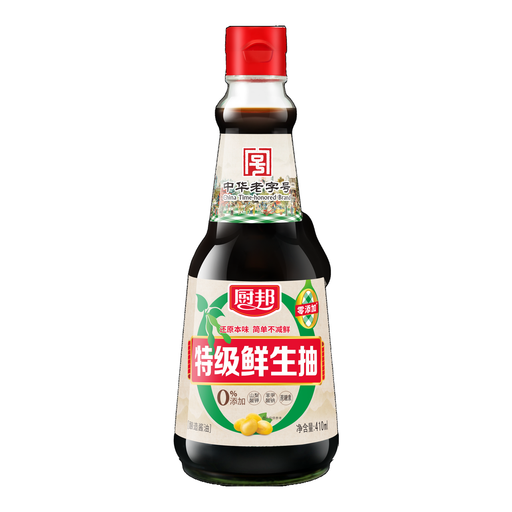
Why This Fits Their Persona: For the cook who scrutinises every label, this soy sauce offers complete transparency. It's perfect for those in the UK seeking clean, natural flavours for their family's meals, from simple vegetable stir-fries to light marinades.
This product directly delivers on the "zero additive" promise without the hype. Its quality comes from the brewing process itself, not from added enhancers, proving that a simple ingredient list can yield superior flavour.
Made from just five natural ingredients: water, defatted soya beans, salt, wheat and sugar. It delivers a pure, balanced umami flavour that enhances dishes without overpowering them.
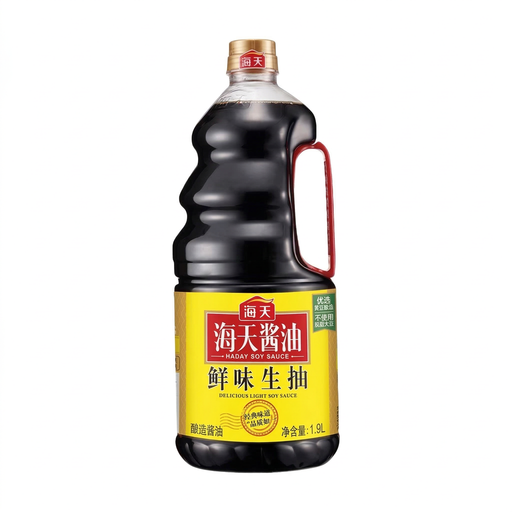
Why This Fits Their Persona: If soy sauce is a staple in your kitchen for daily meals, this large-format bottle offers excellent value. It's a reliable, all-purpose seasoning from a major brand, ideal for families or anyone who cooks Chinese food regularly.
This option avoids the trap of paying a premium for a small, boutique bottle. It provides a consistent, quality product in an economical size, prioritising practicality and value over niche marketing.
The 1.9L bottle is great value for households that use soy sauce frequently. It's a versatile, balanced all-purpose soy sauce suitable for marinades, stir-frying and as a base for other sauces.
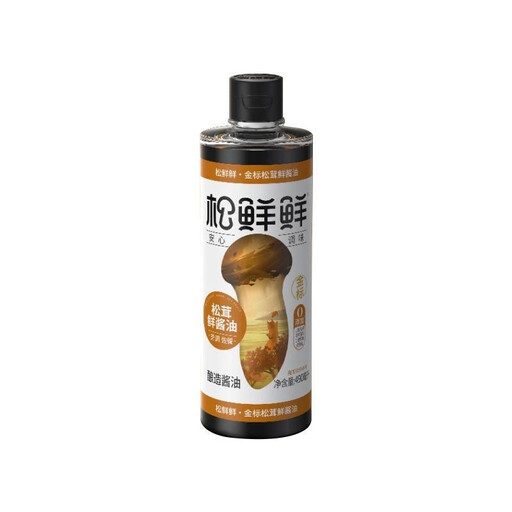
Why This Fits Their Persona: For the adventurous cook looking to elevate their dishes, this soy sauce offers a unique flavour profile. The infusion of mushroom extract adds a layer of earthy, savoury depth that is perfect for gourmet dipping sauces or finishing a special dish.
While it is a premium product, its value is justified by a unique, high-quality ingredient (Boletus Edulis extract) that provides a distinct flavour experience, rather than just clever marketing.
Specially crafted with Boletus Edulis (porcini mushroom) extract, it delivers a rich, complex umami flavour that is more nuanced than standard soy sauce. Ideal for enhancing stir-fries, soups and marinades.
We have compiled a complete, real-time list of products that fully satisfy these strict selection criteria and UK safety regulations.
In most cases, there is no significant difference. "Fresh soy sauce" is a direct translation of 生抽 (sheng chou), which is the standard, lighter-coloured soy sauce used for seasoning in Chinese cooking. The term "light soy sauce" is the common English equivalent. Both refer to a thin, salty sauce used to add flavour rather than colour.
Always check the manufacturer's recommendation on the bottle. However, as a general rule, a properly sealed bottle of brewed soy sauce stored in the refrigerator can maintain good quality for several months up to a year. Its flavour and aroma may slowly diminish over time, but it will remain safe to use.
It is incredibly versatile and can be used for most seasoning, marinating and dipping needs. However, for dishes where a deep, rich colour and a slightly sweet, caramelised flavour are desired—such as in classic red-braised pork belly (红烧肉)—you will get better results by also using a dark soy sauce (老抽, lǎo chōu).