Choose a larder fridge if chilled desserts are the main storage need and a freezer compartment would take up space you could use for trays and boxes. An under-counter model suits a restricted kitchen; a tall model needs more room, while an integrated model must match its cabinet and hinge system. Whichever format you choose, check container fit and the temperature achieved during normal shared use.
Who needs which kind of space?
Shared-kitchen dessert organisers
If several people use the fridge, you need room for labelled boxes, trays and ingredients that remain easy to reach. An all-fridge layout and shelf positions that suit your containers may matter more than a freezer compartment.
Small-kitchen dessert keepers
If an under-worktop bay is the only available space, check both the appliance dimensions and whether its shelves can accommodate your usual dessert containers.
Food-business or high-care users
If desserts are prepared or stored as part of a food business, assess temperature monitoring and food-safety controls alongside appliance size. The Food Standards Agency’s guidance on refrigeration for food operations is distinct from choosing a fridge for private household use.
What matters when choosing?
For chilled desserts in a shared kitchen, start with temperature monitoring and space your containers can actually use, then check whether the appliance fits its intended position.
| Concern |
What to check |
Who this matters to |
| Reliable chilled temperature |
Check the temperature controls and whether you can place a fridge thermometer in the main storage area. Verify the temperature after installation and during normal use. |
If I store cream- or dairy-containing desserts, I need to know the fridge stays cold when several people use it; around 44% of consumers put dependable temperature control first. |
| Usable, organised storage |
Compare your widest and tallest containers with the internal shelf layout, including shelf positions and any space taken by door storage. |
Keeping labelled boxes accessible matters when I share space with other people’s food; around 33% of consumers primarily need workable chilled storage and organisation. |
| Fit and energy comparison |
Measure the appliance space and door-opening clearance; for integrated models, check the cabinet and hinge type. Compare energy information between models that meet similar storage needs. |
A fridge is little use to me if it cannot fit its bay or cabinet, and I want to compare its running information before choosing; around 23% of consumers place fit and energy comparison first. |
Common buying mistakes
-
Choosing by litres alone
Quoted capacity does not tell you whether dessert trays sit flat or tall tubs fit between shelves.
Measure the containers you use most and compare them with the internal shelf dimensions and adjustment positions before ordering.
-
Assuming the thermostat setting is the storage temperature
A control setting does not establish the temperature reached in a shared kitchen. The Food Standards Agency describes 5°C as the maximum recommended fridge temperature for household chilled-food storage.
Use a fridge thermometer to check the main storage area after installation and periodically during normal use; review the placement and settings if it exceeds 5°C.
-
Ordering an integrated fridge by height alone
Cabinet space and the door system also matter. Bosch, for example, specifies its KIR81NSE0G built-in fridge as a 177.2 × 54.1 cm sliding-hinge model.
Confirm the full appliance dimensions, cabinet aperture, ventilation requirements and hinge compatibility with the installation instructions.
-
Choosing an ice box you seldom need
A freezer compartment uses space that could otherwise be dedicated to chilled desserts. It is useful when frozen storage is a regular requirement, but it changes how much chilled space is available.
If desserts and ingredients are predominantly chilled, compare larder-fridge layouts with fridge-freezers using the containers you expect to store.
Brands to consider
Beko
Relevant when comparing freestanding tall and under-counter larder fridges for chilled-only storage.
- Beko describes adjustable shelves on its under-counter UL4584, which may help accommodate containers of different heights.
- Check shelf dimensions against your trays and boxes; adjustable shelves do not establish that a particular container will fit.
Hotpoint
Relevant when deciding between an under-counter larder fridge and an under-counter model with an ice box.
- Hotpoint lists a 128L chilled-only H55R1 112X UK model and an H55V1 112W UK model with a 114L fridge compartment and an ice box.
- The ice-box model is not an all-chilled-storage option; compare the space available for the desserts you actually keep.
Bosch
Relevant to fitted kitchens where an integrated larder fridge or fridge-freezer is being considered.
- Bosch identifies the KIR81NSE0G built-in larder fridge as a 177.2 × 54.1 cm sliding-hinge model.
- Confirm the cabinet aperture, hinge system and installation requirements; a fridge-freezer is a different choice if chilled-only space is the priority.
Joybuy larder fridges for chilled storage
These freestanding larder fridges cover tall and under-counter options for keeping chilled desserts in a shared kitchen. Compare each one with your available space and container dimensions; the products shown are not integrated or fridge-freezer options.
 No image available
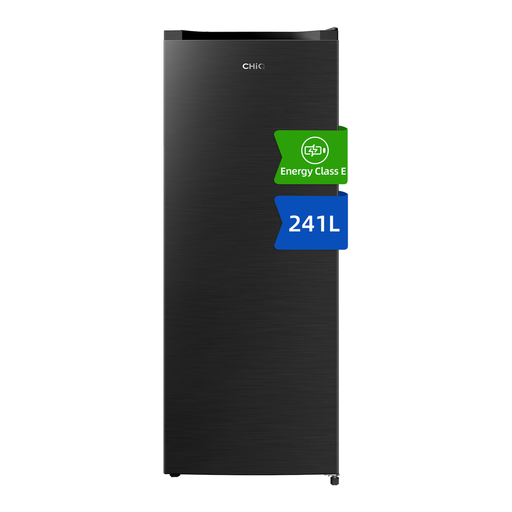
CHiQ JKR245DGE 241L tall larder fridge, Premium Black Steel
Consider this freestanding format if chilled desserts need a dedicated tall appliance and the kitchen has room for one. Its listed capacity is 241L, with a width of 54cm, height of 1.44m and E energy rating. Check internal shelf measurements against your containers and verify the storage temperature with a thermometer after installation.
View on Joybuy
 No image available
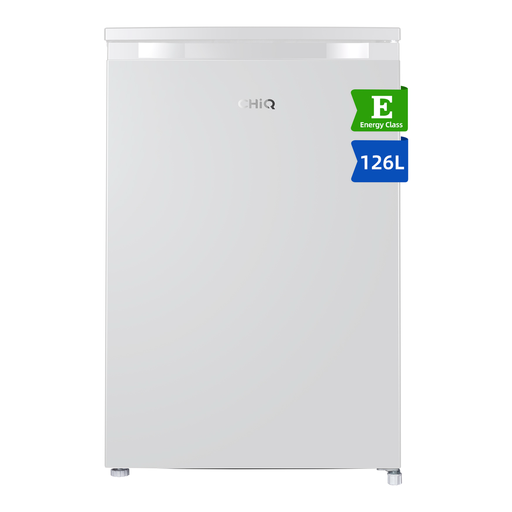
CHiQ JKR120DWE 126L under-counter larder fridge, White
This freestanding under-counter format is worth considering when a tall appliance will not fit. It is listed as 55cm wide, with 126L capacity and an E energy rating. Measure the intended bay and check that your dessert boxes fit the internal shelves; use a thermometer to check the temperature in use.
View on Joybuy
 No image available
Hisense RL170D4BWE under-counter larder fridge, White
Consider this larder format for chilled desserts where an under-counter position is available. The product title lists a 55cm width and E energy rating. Confirm its capacity, shelf arrangement and full installation dimensions for your intended containers and bay, then check the temperature during normal use.
View on Joybuy
Frequently asked questions
What temperature should I check for chilled desserts?
Check that the main fridge storage area stays at no more than 5°C, the Food Standards Agency’s maximum recommended fridge temperature for household chilled-food storage. Use a fridge thermometer: a dial setting or cooling feature does not tell you the temperature achieved during normal shared use.
Do I need a commercial fridge in a shared kitchen?
A particular commercial fridge type is not automatically required for private household dessert storage. If you prepare or store desserts as part of a food business, assess the operation’s refrigeration and temperature-monitoring needs; the Food Standards Agency’s MyHACCP guidance calls for adequate facilities appropriate to the food operation.
What if I sell desserts made in the shared kitchen?
If you are starting a food business, the Food Standards Agency says to register with your local authority at least 28 days before trading. That business-activity requirement does not apply merely because desserts are kept for private consumption.
How should I compare energy information between fridges?
Compare the energy label and product information for appliances that meet a similar storage need and are of comparable type and size. Energy Saving Trust describes an A-to-G rating scale, but the letter alone does not resolve whether a smaller larder fridge or a fridge-freezer gives you the chilled space you need.


