Choose a tall larder fridge if several housemates need clearly divided fresh-food space and have separate freezer storage; an under-counter fridge makes more sense when space is restricted or the appliance will supplement an existing fridge. In either case, check the usable drawer and shelf layout, measure the installation space, and plan to monitor the temperature with a fridge thermometer. GOV.UK advises keeping a household fridge between 0 and 5°C, while Electrical Safety First advises placing it near a wall socket rather than relying on an extension lead.
Who needs this kind of fridge?
Housemates sharing fresh-food space
If several people buy leafy greens and salad ingredients, they need storage that keeps each person’s food identifiable and avoids squeezing produce onto a crowded shelf. The drawer and compartment options described by Bosch and Beko are worth checking on individual models.
Households with small kitchens
An under-counter fridge may fit where a taller appliance cannot, but its internal arrangement still has to accommodate everyone’s chilled food. Measure the position, including the space needed for ventilation and access to a wall socket; Electrical Safety First highlights both placement checks.
Households planning shared fridge checks
When several people use the same appliance, an agreed place for food and a practical way to check its temperature can make day-to-day storage easier to manage. GOV.UK recommends a fridge thermometer for checking that a household fridge stays between 0 and 5°C.
What matters when choosing?
Decide how much separate chilled space the household needs before choosing between a larder fridge, an under-counter model or a fridge-freezer. Then check whether the exact appliance fits the kitchen and can be used and monitored as intended.
| Concern |
What to check |
Who this matters to |
| Space for leafy greens |
Inspect usable produce-drawer space and whether shelves can accommodate separate, labelled containers. |
I want my greens kept apart from other people’s groceries without compressing them; around 29% of consumers put protected produce space first. |
| Temperature checks |
Check the controls and allow space for a fridge thermometer; GOV.UK advises keeping household fridges between 0 and 5°C. |
If the door is opened often, I need a way to check the actual temperature rather than rely on a dial setting. Keeping chilled food at the right temperature is the main concern for around 29% of consumers. |
| Fit and installation |
Measure the intended position and required ventilation clearance, with access to a wall socket. Electrical Safety First advises against using an extension lead. |
I cannot choose a fridge that blocks the walkway or cannot be connected safely where it stands; around 24% of consumers make fit and installation their first priority. |
| Energy information |
Compare the energy label and product information sheet for fridges of a similar size and format. |
Because the fridge will run continuously, I want to compare energy information alongside the amount of storage we will use. That is the primary concern for around 18% of consumers. |
Mistakes to avoid
-
Assuming a freshness feature comes with every model
Bosch, Beko and Samsung describe produce-storage features on particular ranges or models. A brand name alone does not tell you which drawers or controls an individual fridge has.
Check the exact model’s drawer layout, adjustable shelving and stated temperature or humidity controls before choosing it for leafy greens.
-
Planning to connect the fridge through an extension lead
Electrical Safety First warns that using an extension lead with large appliances can create an overload and fire risk.
Choose a position close to a wall socket and make sure the cable will not be trapped. Resolve unsuitable socket access before ordering.
-
Treating the temperature dial as a measurement
A dial setting does not show the temperature of the food-storage space. GOV.UK advises a household fridge temperature of 0 to 5°C and recommends a fridge thermometer to check it.
Agree who will check the thermometer in the shared kitchen, and follow the manufacturer’s instructions when adjusting the controls.
-
Overlooking ventilation and nearby heat
Restricted airflow or a position beside a cooker, radiator or direct sunlight can make it harder for a fridge to maintain its internal temperature.
Measure the proposed location and follow the manufacturer’s clearance instructions without blocking ventilation openings.
Brands to consider for this storage need
Bosch
Bosch UK offers fridge formats including built-in and freestanding models, as well as models with VitaFresh produce compartments.
- Bosch describes VitaFresh compartments with conditions tailored to different food types, including fruit and vegetables.
- Check whether the exact model has the drawer system, shelf layout and installation format the household needs.
Beko
Beko UK lists freestanding, under-counter and integrated fridges, making its range relevant to kitchens with different space and fitting constraints.
- The available formats allow a choice between compact placement and other fresh-food storage layouts.
- Beko markets HarvestFresh on equipped models; confirm the selected fridge’s actual produce-storage arrangement rather than assuming the feature is standard.
Samsung
Samsung UK describes refrigerator formats and a Humidity Fresh feature within a named series.
- Samsung says Humidity Fresh lets users choose conditions for salad, vegetables and fruit on equipped models.
- Check the exact model and usable drawer space; the named-series feature should not be assumed across Samsung fridges.
Joybuy fridges for different spaces
These choices cover a larder fridge, an under-counter fridge and fridge-freezers of different stated sizes. For shared leafy-green storage, compare the chilled compartment—not just the appliance’s total capacity—and check whether its layout leaves each housemate usable space.
 No image available
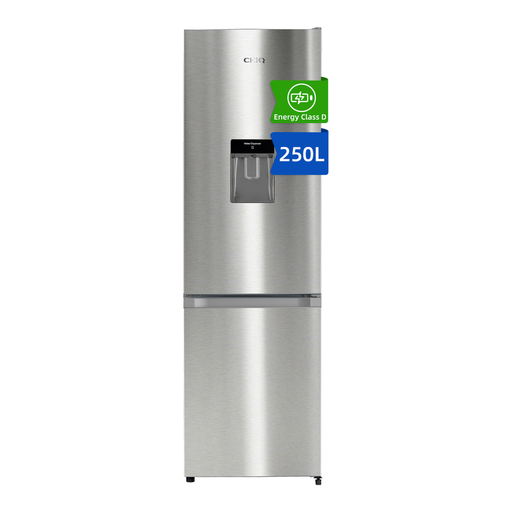
CHiQ JKR250WDSSD 250 L fridge-freezer with water dispenser
Consider this freestanding fridge-freezer if the household needs chilled and frozen storage in one appliance and can accommodate its height.
Its stated width is 54 cm and height is 181 cm; the product name specifies Total No Frost and an energy class of D. Check the usable chilled-space layout and required installation clearances before deciding where greens will go.
View on Joybuy
 No image available
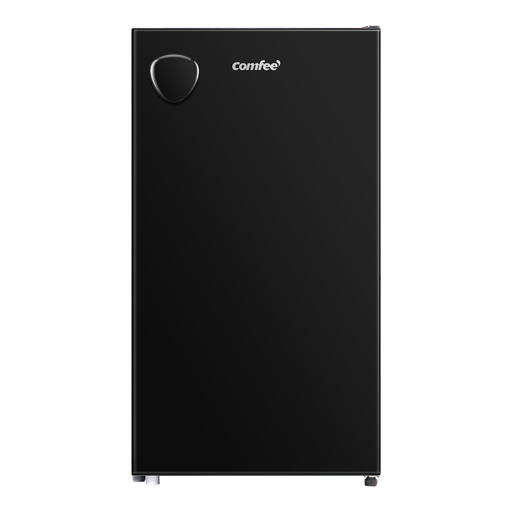
COMFEE' RCD92BL2UKY(E) 88 L under-counter fridge
This format is worth considering for supplementary chilled storage or a small shared kitchen, provided 88 L offers enough usable space for everyone’s food.
The product name specifies an adjustable thermostat, reversible door, removable glass shelves and energy class E. Its cooler zone is described for short-term cooling only: the listing says not to leave items there for more than two hours, so check where leafy greens would be stored.
View on Joybuy
 No image available
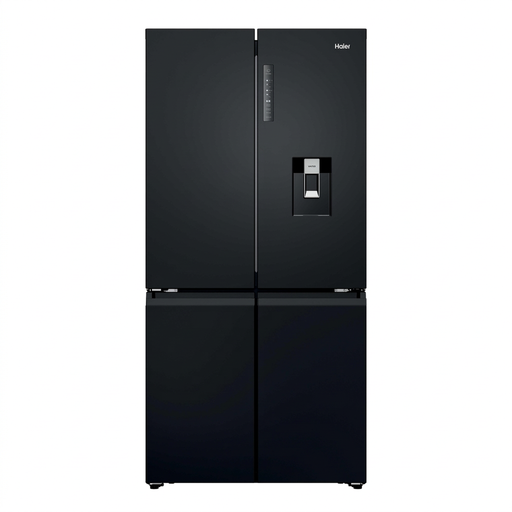
Haier Cube 90 Series 3 HCR39F19EWPT(UK) 649 L fridge-freezer
This four-door model is a consideration where several people need substantial shared storage and the kitchen has room for a larger appliance.
The product name states a total capacity of 649 L. Measure the proposed position against the appliance’s full dimensions and clearances, then inspect the usable vegetable-drawer space and any specialised-zone settings before allocating places for greens.
View on Joybuy
 No image available
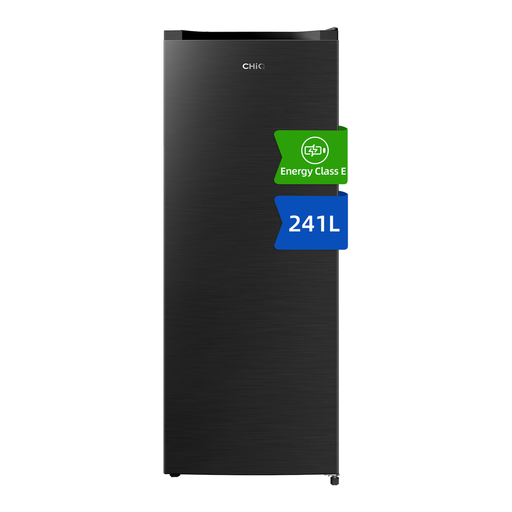
CHiQ JKR245DGE 241 L freestanding larder fridge
A larder fridge gives the household a fresh-food-focused option if frozen food can be stored separately.
The product name states a 54 cm width, 1.44 m height, 241 L capacity and energy class E. Check how much of the internal layout can be divided between housemates, along with the space needed around the appliance.
View on Joybuy
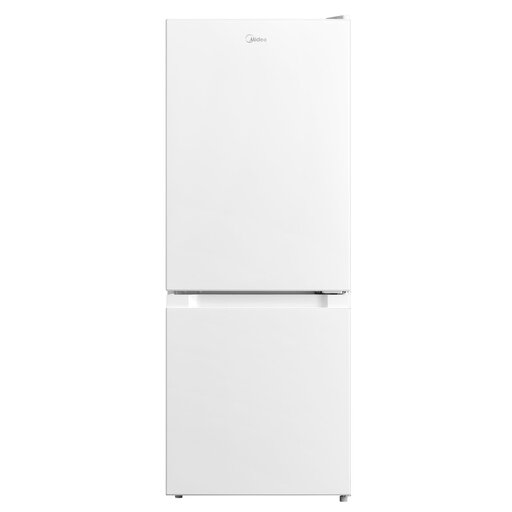 No image available
Midea MDRB202FGE01 Low Frost fridge-freezer
Consider this fridge-freezer where a shorter appliance and both chilled and frozen storage are needed, but check that its fresh-food compartment has enough room for the household’s greens.
The product name states a height of 123 cm, Low Frost freezer technology and energy class E. Low Frost does not mean frost-free; defrosting may still be needed when ice builds up.
View on Joybuy
Common questions
What temperature should a shared household fridge be kept at?
Keep the fridge between 0 and 5°C for household food storage, as GOV.UK advises. Use a fridge thermometer to check the temperature rather than assuming the control setting reflects the temperature inside.
Can we use an extension lead for a fridge in a shared kitchen?
Do not make an extension lead the installation plan. Electrical Safety First advises placing a fridge or freezer close to a wall socket and warns that an extension lead used with large appliances can be overloaded.
What should we check before installing a fridge in a rented kitchen?
Confirm who may replace or install the appliance, then measure the position and check the manufacturer’s ventilation instructions. Keep the cable from being trapped and check cabinet and hinge compatibility if the fridge is integrated.
How should we compare the energy use of two fridges?
Compare their energy labels and product information sheets alongside their size and format, so the storage being compared meets a similar need. UK government energy-labelling guidance sets information requirements for products in scope; an efficiency class alone does not describe how much space your household will use.


