Regular batch-freezers
Families preparing biscuit dough ahead of several meals or baking sessions need room for their portions alongside everyday frozen food. Compare freezer litres and the drawer layout rather than total appliance capacity alone.


Start with usable freezer space for the dough and your usual frozen food, then check how much fridge space remains. A freestanding model with a substantial freezer compartment is a practical starting point for regular batches; an integrated model needs compatible cabinetry, while a wide multi-door model needs enough kitchen and delivery space.
Families preparing biscuit dough ahead of several meals or baking sessions need room for their portions alongside everyday frozen food. Compare freezer litres and the drawer layout rather than total appliance capacity alone.
A narrow gap, fitted cabinet or restricted door swing can determine which format will fit. The route through the home matters too, particularly for a wider appliance.
Consumers replacing an always-on appliance may want to compare its energy information and decide how much manual defrosting they are willing to do.
Choose the format that fits your kitchen and storage routine, then compare the exact models’ freezer compartments. These routes address different space and installation needs.
Consider it when: You regularly freeze dough but still need everyday chilled storage; a roughly equal fridge/freezer split can suit substantial frozen stocks.
Trade-off: More freezer space can leave less room for fresh food, and the full depth and door swing must fit.
Consider it when: Keeping a fitted-kitchen appearance matters and the housing suits the appliance.
Trade-off: Cabinet dimensions and the door-fixing system limit which models can be installed.
Consider it when: Dough, family food and bulk shopping call for substantially more overall storage.
Trade-off: The larger footprint and delivery route need checking; headline litres do not show whether your dough containers fit the freezer layout.
| Concern | What to check | Who this matters to |
|---|---|---|
| Freezer space and layout | Compare frozen-compartment litres for the exact model, then check drawer dimensions against your dough containers or trays. | If I freeze dough regularly, I need portions to fit beside the family’s other frozen food without giving up too much fridge room. Around 42% of consumers put usable freezer space first. |
| Kitchen fit | Measure the delivery route, appliance space, door swing and required ventilation; check cabinet and hinge compatibility for integrated models. | In a fitted or compact kitchen, I need an appliance that can be delivered, installed and opened properly. Kitchen fit comes first for around 33% of consumers. |
| Frost and energy information | Check the exact model’s frost-management description, energy label and product information sheet. | When replacing an always-on appliance, I want to understand its energy information and how much defrosting it needs. Around 25% of consumers prioritise those ownership checks. |
A large fridge section can make the overall figure look generous while leaving too little freezer room for dough and other food.
Compare frozen-compartment litres separately and measure the containers or trays you normally use.
A model may fit the recess but still lack room for its door to open or the ventilation specified in its installation instructions. An integrated model also needs compatible housing and fittings.
Check the entire delivery route, installation space, door swing and, where relevant, the cabinet’s hinge arrangement.
Incompatible integrated fittings may require cabinet alterations or reinstallation.
Low-frost and frost-free descriptions indicate different approaches to frost management; a low-frost model may still need manual defrosting.
Read the wording and maintenance instructions for the exact model before deciding how much upkeep you are comfortable with.
The class letter does not, on its own, describe what an appliance will cost your household to run.
Use the energy label and product information sheet to compare models of similar format and capacity, alongside your storage needs.
Brand ranges can help you identify formats and features to compare, but capacity and fit remain model-specific.
A reference point for comparing published compartment volumes and dimensions on an exact model.
Relevant when comparing frost-free options in freestanding and integrated formats.
Its UK range includes different fridge-freezer formats, including French-door and American-style models.
These models cover freestanding, wide multi-door and integrated ways to store biscuit dough alongside family food. Compare each exact model’s freezer compartment and installation requirements before choosing.
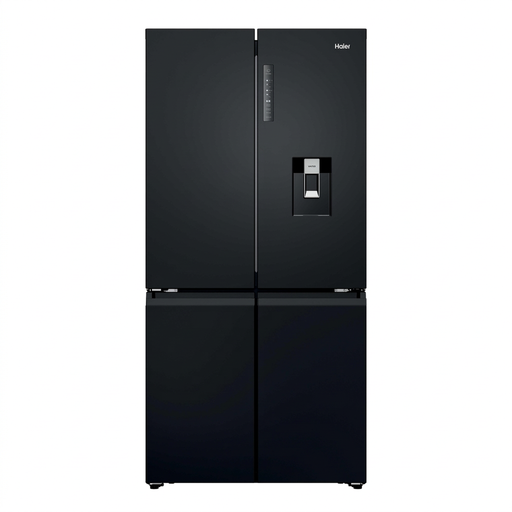 No image available
Consider this freestanding four-door model if you have room for a larger appliance alongside your dough-freezing routine. Its stated 649 L is total capacity, so check the freezer’s separate volume and whether your containers fit. Confirm the installation space and door swing.
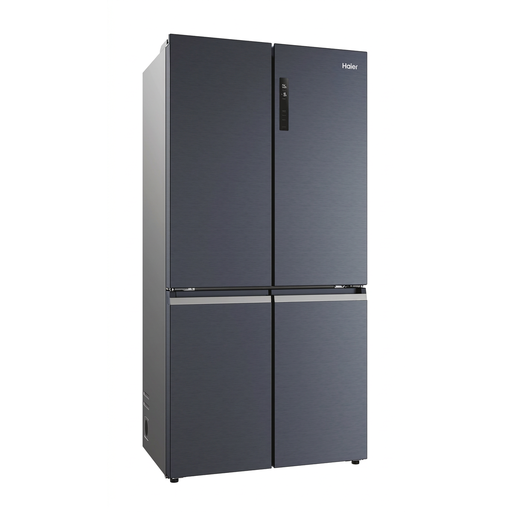 No image available
This freestanding model is another option to assess for dough and everyday family storage. The stated 528 L is total capacity rather than freezer capacity; compare its freezer compartment, internal layout and full installation dimensions with your needs.
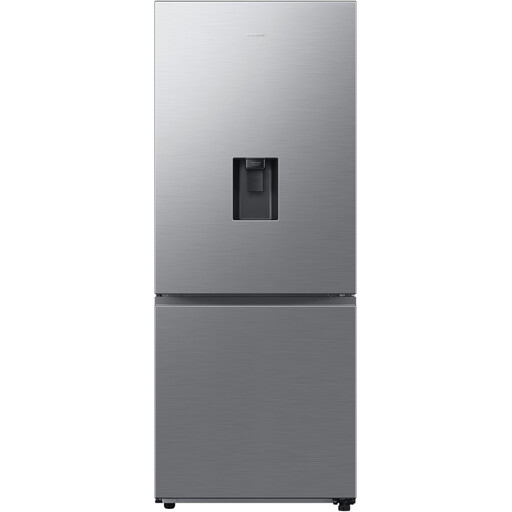 No image available
Consider this 505 L fridge-freezer if a 75 cm-wide model suits your kitchen. Its title identifies an E energy class, but check the supplied energy information, separate freezer volume and internal dimensions before deciding whether it fits your dough portions.
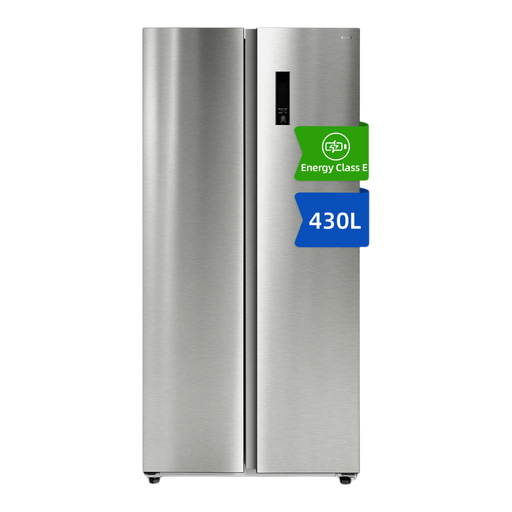 No image available
This 430 L, no-frost model suits consideration if an 84 cm-wide side-by-side format can fit your kitchen and delivery route. Check the freezer’s separate capacity and drawer dimensions against your dough containers, as well as the required installation clearances.
 No image available
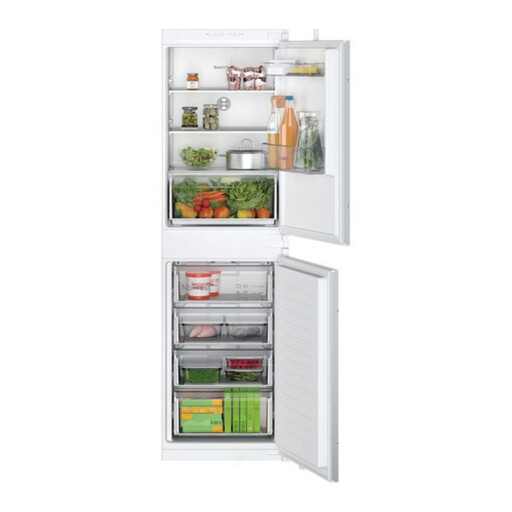
Consider this 177 cm integrated, frost-free model only if its housing and sliding-hinge arrangement match your fitted kitchen. The title identifies a 50/50 format and 249 L total capacity; check the separate freezer volume and drawer dimensions for your dough portions.
Compare the energy label and product information sheet for each exact model, preferably alongside appliances of similar format and capacity. For in-scope products in Great Britain and Northern Ireland, UK government guidance covers the provision of that information; a class letter alone does not tell you your household’s running cost.
No: freezer space and a layout that fits your dough portions are the starting points. Frost-free is a maintenance choice; Beko says its applicable frost-free models avoid manual defrosting, while Bosch describes Total No Frost on applicable models. Check the feature on the exact appliance.
Only if you have suitable fitted housing for the new appliance. Check the cabinet dimensions and door-fixing arrangement, including whether it requires sliding or fixed hinges, before ordering.
No: extra capacity does not set a safe storage period or replace instructions for a particular recipe or packaged dough. Follow the applicable storage and handling instructions; the Food Standards Agency treats freezing, thawing and refrigeration as distinct food-safety considerations.