Seasonal pea batch freezers
If you blanch several bags after a harvest or bulk purchase, accessible drawer space and room for the new batch are likely to matter more to you than dispensing features.


Choose a fridge-freezer by the space its freezer drawers offer for portioned peas and by its stated freezing capability, rather than by total capacity alone. A standard bottom-freezer layout may suit occasional batches alongside everyday groceries; consider a larger format when substantial batches are a regular part of your frozen-food storage, provided it fits your kitchen and delivery route. Frost-free operation reduces defrosting work but does not establish how quickly a new batch will freeze.
If you blanch several bags after a harvest or bulk purchase, accessible drawer space and room for the new batch are likely to matter more to you than dispensing features.
You need space for peas among your usual frozen food while keeping enough fridge room for fresh groceries.
If the appliance will stand in a cold garage or outbuilding, check the permitted ambient temperatures for the exact model and for both compartments.
For regular batches, decide how much freezer space you need alongside your usual food before comparing appliance size and convenience features. Bosch describes 50/50, 60/40 and 70/30 fridge-to-freezer layouts, but the individual drawers still determine how your portion bags will fit.
Consider it when: You freeze household-sized batches and also need substantial space for fresh groceries.
Trade-off: A fridge-heavy split leaves a smaller share for peas and other frozen food.
Consider it when: Large pea batches regularly share the freezer with other food and you have room for a wider appliance.
Trade-off: Greater total capacity does not guarantee that the freezer compartments suit flat portion bags; check their layout and the installation space.
| Concern | What to check | Who this matters to |
|---|---|---|
| Usable freezer space | Compare the freezer share and drawer layout with the bags and other frozen food you expect to store. | I need to put away several portions without burying food already in the freezer. Around 40% of consumers put accessible batch space first. |
| Freezing performance | Check the exact model’s stated freezing capacity and temperature controls; consider independent freezing tests where available. | When I add a sizeable fresh batch, I want to know what the appliance is designed to freeze and how it controls temperature. Roughly 30% of consumers prioritise freezing performance and temperature control. |
| Fit and placement | Measure delivery access, installed dimensions and door clearance; for an outbuilding, check the model’s permitted ambient conditions. | A full drawer is little use if I cannot open it in my kitchen, or if the intended garage is too cold for the appliance. About 20% of consumers place installation and location first. |
| Maintenance and energy information | Decide whether frost-free operation matters to you and compare the exact appliances’ energy labels and product information. | I would rather minimise defrosting work while keeping an eye on the appliance’s disclosed energy use. Around 10% of consumers make maintenance and running-cost awareness their primary concern. |
Bosch describes 50/50, 60/40 and 70/30 fridge-to-freezer layouts. Once your usual frozen food is inside, a smaller freezer share may leave too little accessible room for pea portions.
Compare the freezer drawers with your largest expected batch before choosing a split.
Frost-free operation addresses ice build-up and defrosting. Which? assesses freezing performance separately, so the feature alone cannot tell you how a newly added batch will freeze.
Check the model’s freezing-capacity specification and any independent performance results relevant to it.
Beko says the freezer compartment of its CFG4552 can operate in ambient temperatures down to -15°C, but does not recommend using that model’s fridge compartment in low ambient temperatures. This condition cannot be extended to other models.
Check the exact appliance instructions against the temperatures at its intended location, including any separate conditions for the fridge and freezer.
A fridge-freezer may fit into an alcove yet leave too little room to open its doors and drawers. LG specifies at least 4 mm of side clearance for door operation on its GBBSJ10DEP; other models have their own installation requirements.
Measure the delivery route and final position, then follow the chosen model’s clearance and ventilation instructions.
Bosch’s UK fridge-freezer range includes freestanding and integrated formats with several fridge-to-freezer splits.
Beko offers frost-free fridge-freezers and selected models with FreezerGuard for particular cold-location needs.
LG’s UK range includes tall fridge-freezers and larger formats worth comparing when freezer organisation and kitchen fit both matter.
Samsung’s UK range spans integrated, conventional and large-format fridge-freezers.
These larger-format fridge-freezers are options to assess if you regularly store substantial pea batches alongside other frozen food. Compare their freezer compartments and installation requirements with your needs; the listed features alone do not establish batch-freezing performance.
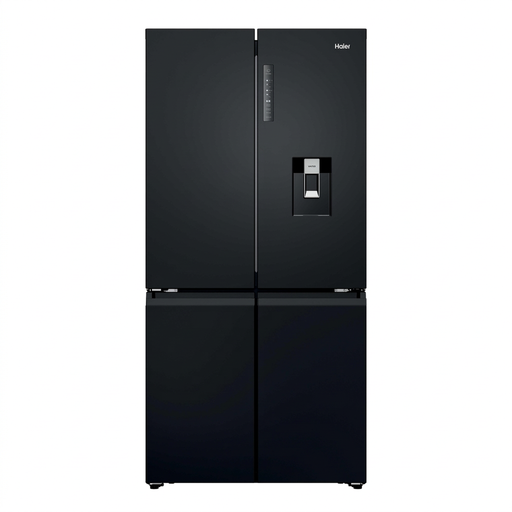 Image unavailable
Consider this freestanding four-door model if substantial pea batches are part of a larger frozen-food store. Its title lists 649 L total capacity; check the freezer compartments’ usable layout, stated freezing capacity and installation clearances for your particular batches.
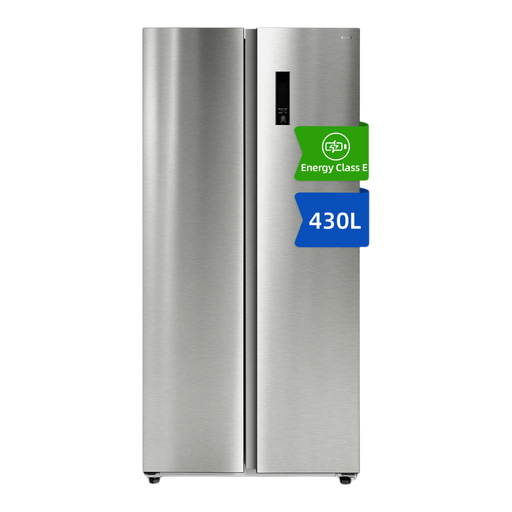 Image unavailable
This 84 cm-wide, No Frost model is worth assessing if you want side-by-side storage for peas and other food. Check how its freezer compartments accommodate portion bags, its stated freezing capacity and the clearance needed to open the doors.
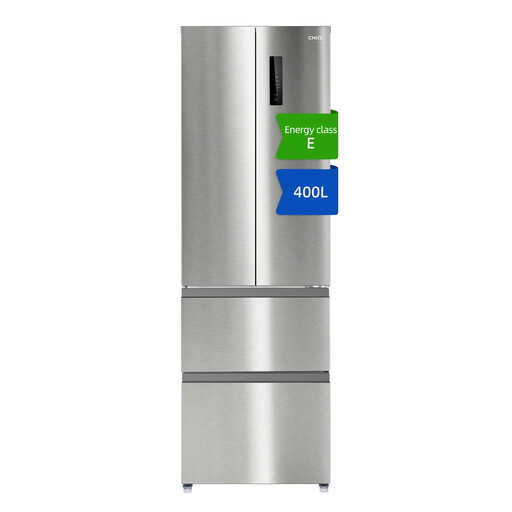 Image unavailable
Consider this 60 cm-wide French-door model if kitchen width is a constraint but you still want to examine a multi-door layout. Its title specifies Total No Frost; check drawer dimensions, door movement and freezing-capacity information before relying on it for regular large batches.
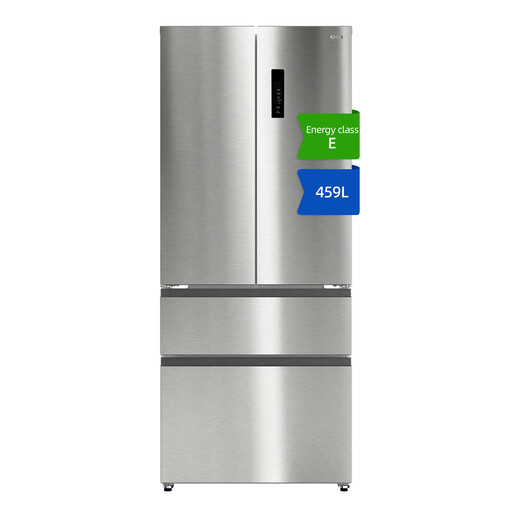 Image unavailable
This 80 cm-wide, Total No Frost model is an option to inspect when you need room for repeated batches in a four-door format. Confirm the freezer’s internal layout, the model’s freezing-capacity specification and its required installation space.
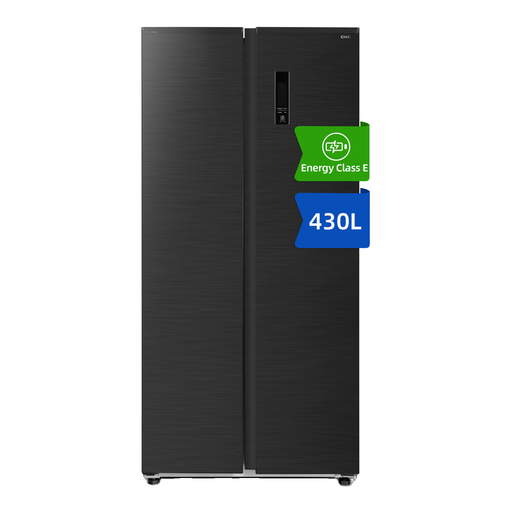 Image unavailable
Consider this 84 cm-wide, No Frost side-by-side model if its compartments suit the way you separate pea portions from other frozen food. Check their internal arrangement, the stated freezing capacity and the space required for delivery and door opening.
Use the fridge-freezer’s temperature controls and follow its manual and food-storage instructions. Food Standards Scotland advises that safe chilling, freezing and defrosting help stop or slow harmful bacterial growth; do not assume a control setting tells you the temperature inside every part of the freezer.
No: frost-free operation is a maintenance feature, not a requirement for freezing peas. Beko says its frost-free technology removes manual freezer defrosting, while Which? treats freezing performance as a separate consideration.
Only choose a garage installation when the exact model’s instructions support the temperatures there. Beko says the freezer compartment of its CFG4552 can operate at ambient temperatures down to -15°C, but does not recommend using that model’s fridge compartment in low ambient temperatures.
Keep the freezer door closed as much as possible and assess the food using current food-safety guidance. Food Standards Scotland says food may stay frozen for up to 48 hours in a full freezer or about 24 hours in a half-full one; these are estimates, and the appliance and room temperature affect how long it remains frozen.