Compact-kitchen bread freezers
You regularly freeze sliced bread and have limited floor space beside cabinets or walls. Width alone will not settle the choice: depth, rear allowance and the room needed to open the door matter too.


Measure the available floor space, rear allowance and door swing before choosing a fridge-freezer for sliced bread; limited worktop space does not by itself call for a countertop appliance. If bread is a regular part of your frozen food, compare freezer litres and drawer space within the models that fit, then weigh frost-free convenience against your other requirements. Check annual electricity use as well as the energy class.
You regularly freeze sliced bread and have limited floor space beside cabinets or walls. Width alone will not settle the choice: depth, rear allowance and the room needed to open the door matter too.
You need bread to share the freezer with meals and other groceries. Compare the freezer compartment and its drawers rather than relying on total appliance capacity or a 50/50 label.
You want to spend less time dealing with freezer ice. Check whether the exact model has frost-free operation, while still comparing its fit, storage and annual electricity use.
For consumers regularly freezing sliced bread in a compact kitchen, establish where the appliance can stand before comparing its freezer space, upkeep and electricity use. A 50/50 layout describes the broad storage split; it does not tell you whether your bread bags will fit in the drawers.
Choose when: You have a measured floor location and need a narrower full-height appliance for regular bread freezing.
Trade-off: A slim exterior does not establish how much bread and other food its freezer drawers will hold.
Choose when: Your kitchen has a compatible appliance cabinet and you want the fridge-freezer concealed behind a cabinet front.
Trade-off: The cabinet dimensions and door-fitting system must match; similar external widths do not make integrated and freestanding units interchangeable.
| Concern | What to check | Who this matters to |
|---|---|---|
| Fit and access | Measure the installation height, width and depth. Allow for rear connections and check that the door and freezer drawers can open fully; General guidance suggests around 5 cm at the back for pipework or sockets. | I need a floor-standing appliance that will not obstruct a cupboard or leave its own drawers inaccessible. Around 40% of consumers put fit and access first. |
| Freezer organisation | Compare freezer-compartment litres and the exact drawer layout, not just total litres or a 50/50 label. | My bread needs to fit alongside the rest of my frozen groceries without being crushed or buried. For around 30% of consumers, usable freezer organisation comes first. |
| Freezer upkeep | Check whether the exact model specifies Frost Free, No Frost or Low Frost, and what its instructions say about defrosting. | I want to limit ice build-up and the work of clearing it while keeping space available for food. That is the primary concern for around 20% of consumers. |
| Electricity use | Compare the exact models' annual kWh figures alongside energy class and capacity. GOV.UK notes that differently sized appliances with the same rating can use different amounts of electricity. | I want to understand the electricity a fridge-freezer may use year after year, rather than choose by its letter grade alone. Around 10% of consumers make that comparison their first priority. |
A narrow fridge-freezer can still project too far into the kitchen, lack rear space for connections or have a door obstructed by a wall.
Record the available height, width and depth, then check the exact model's rear and hinge clearances before ordering.
The label describes a broad layout, while freezer litres and drawer shape determine how practical the space is for bread alongside other food.
Compare the freezer compartment of each exact model and check whether your usual bread bags will fit its drawers.
Defrost technology and operation in a low-temperature location are separate specifications. A claim for one named freezer does not establish the conditions for every fridge-freezer or both of its compartments.
If the appliance will stand in an unheated space, check the exact model's ambient-temperature conditions and instructions.
Restricted access or an unplanned door reversal can complicate getting a full-height appliance into its intended position.
Check the delivery route and arrange any installation, door reversal and old-appliance removal you need when placing the order.
The Beko CFG4582DW is a reference point for a narrow, freestanding 50/50 fridge-freezer.
The Bosch KGN27NLEAG offers another narrow, freestanding route to compare against the available floor space.
The Hotpoint HPKH 1261 W5UK is a 54 cm-wide, freestanding 50/50 option to examine where fit and freezer upkeep both matter.
These freestanding models offer different ways to balance floor-space requirements with freezer storage for sliced bread. Check each appliance's full installation dimensions and the space inside its drawers before choosing.
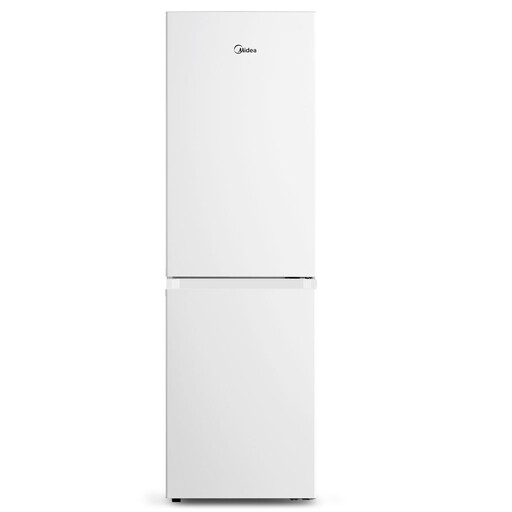 No image available
Consider this freestanding model if you want freezer storage for regular bread freezing and prefer Total No Frost. Check how your bread bags fit the drawers.
Confirm its width before ordering: the title gives 55 cm, while the description gives 54.5 cm. Check the exact total capacity and energy class too, as the published figures differ.
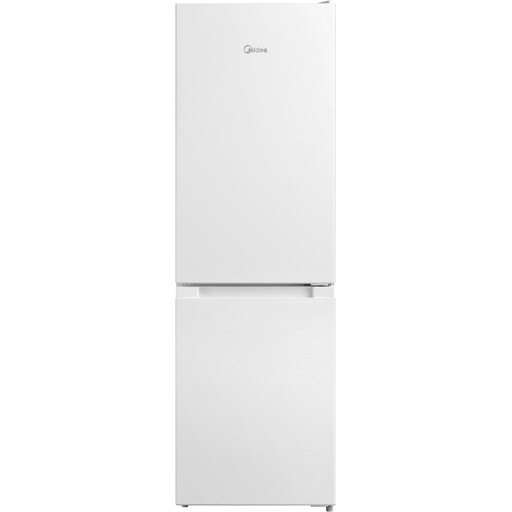 No image available
Consider this freestanding model for a narrow floor location and a smaller quantity of frozen bread; compare the freezer space with everything else you plan to store.
The title states 173L total capacity, 50cm width and energy class E. Check the full installation and drawer dimensions. Its Static / Low Frost cooling may still require freezer defrosting.
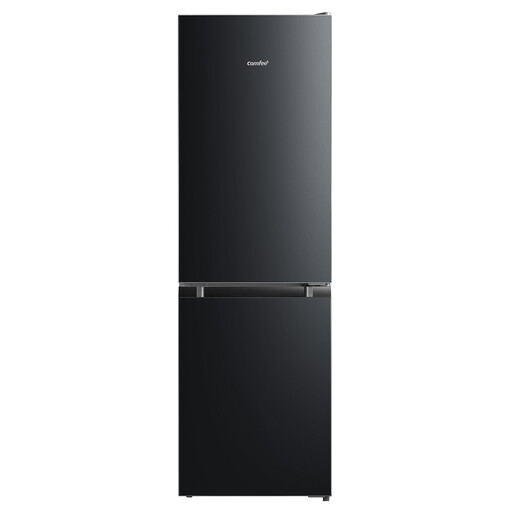 No image available
Consider this freestanding model if you need to organise bread alongside other frozen items. Check the freezer drawers against the packaging you normally use.
The title states 174L total capacity, 150cm height, a 4-star freezer and Low Frost operation. Low Frost should not be treated as a promise that manual defrosting is unnecessary.
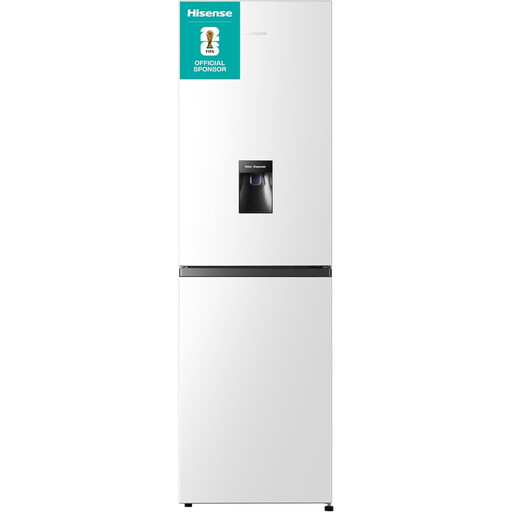 No image available
Consider this freestanding model if bread shares the freezer with other groceries and you want Total No Frost. Check whether its drawers accommodate your bread packaging.
Confirm its width against your measured space before ordering: the title says 55 cm, but the specification table says 59.5 cm. The title states a height of 182cm and energy class E.
 No image available
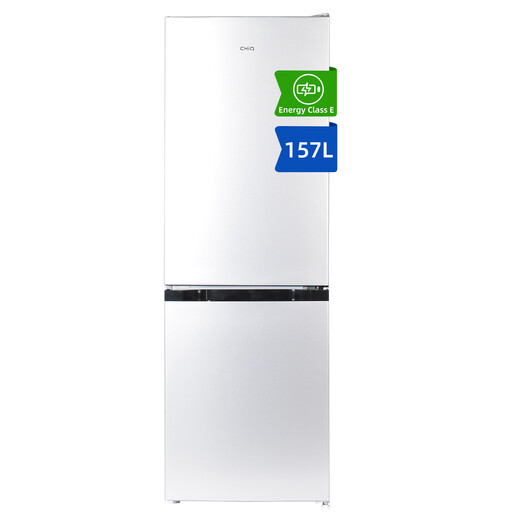
Consider this freestanding model where a particularly narrow floor location is the priority, provided its freezer can hold your usual bread and other frozen food.
The title states 47cm width, 144cm height, 157L total capacity and energy class E. Check the internal drawer dimensions; Low Frost does not establish that defrosting is eliminated.
No. A freestanding fridge-freezer normally stands on the floor, so measure the available location rather than judging it by worktop space. Include depth, rear allowance and room for the door to open.
No. A 50/50 label describes a broad layout, not the size or shape of its freezer drawers. If you freeze bread regularly, check the exact freezer litres and whether your usual bags fit alongside other frozen food.
Prioritise it if reducing freezer ice and manual defrosting matters to you, but compare fit and usable storage first. Beko, Bosch and Hotpoint describe frost-free or No Frost features on the named models discussed here; those features alone do not establish which appliance suits your bread storage.
Only choose one for an unheated location after checking the exact model's stated ambient-temperature conditions. A low-temperature claim may be model-specific and may apply differently to the freezer and fridge compartments.
Compare annual kWh alongside energy class and appliance capacity for the exact models you are considering. GOV.UK notes that differently sized appliances can use different amounts of electricity even when they share a rating.