Compact-kitchen batch cook
You regularly freeze portions but have little room for an appliance. The width of the available gap matters, but so do depth, the route into the kitchen and space to open the doors.


Measure the full installation space, including depth, door swing and ventilation clearances, before choosing a narrow or shallow fridge-freezer. If you regularly freeze cooled curry portions, compare freezer litres and drawer dimensions with the containers you use: a 50/50 layout gives frozen food more room than a 60/40 layout, which favours chilled groceries. Check the energy label and noise information alongside capacity rather than judging an appliance by its width alone.
You regularly freeze portions but have little room for an appliance. The width of the available gap matters, but so do depth, the route into the kitchen and space to open the doors.
You want several labelled portions ready to use. Freezer volume and drawer openings may matter more to you than a larger fresh-food compartment.
You want room for batch cooking without overlooking defrosting, energy use or appliance noise. Compare these features on the exact models that fit your kitchen.
For a compact kitchen and regularly frozen curry portions, establish where the fridge-freezer can stand, then check whether its freezer can hold your usual containers. Food handling and day-to-day running needs also affect the choice.
| Concern | What to check | Who this matters to |
|---|---|---|
| Kitchen fit and access | Measure the appliance space and delivery route. Check the exact model’s depth, door swing and installation clearances as well as its width. | If the appliance could project into a walkway or its doors could hit a cabinet, I need it to fit and remain accessible. Around 36% of consumers put kitchen fit and access first. |
| Freezer space for portions | Compare freezer litres, the fridge/freezer split and drawer openings against your portion containers; check whether a rapid-freezing function is listed. | When I freeze several curries at once, I need containers I can separate and retrieve without awkward stacking. For around 29% of consumers, usable freezer storage is the primary concern. |
| Cooling and temperature | Plan how you will cool food promptly before storage and check the fridge temperature. The Food Standards Agency recommends a fridge temperature no higher than 5°C. | If cooked food will spend time in the fridge before freezing, I need to keep its cooling and chilled storage under control. Around 21% of consumers place food-temperature handling first. |
| Energy, noise and defrosting | Compare the A–G energy label, capacity, noise rating and frost-free features on the exact models under consideration. | With an appliance running near my living space, I care about its ongoing energy use, sound and upkeep. Around 14% of consumers make these ownership needs their first priority. |
A fridge-freezer can fit between cabinets yet project into a walkway or lack room for its doors and ventilation.
Measure width, height, depth, the route into the kitchen and door-opening space. Follow the installation clearances for the exact model rather than treating a compact-design label as a guarantee of fit.
A larger chilled compartment does not necessarily leave enough freezer room for several curry containers. Litres alone do not show whether those containers pass through a drawer opening.
Check frozen-compartment capacity and drawer dimensions, then compare them with the containers you normally use. Choose the fridge/freezer split for how you divide storage between chilled groceries and frozen meals.
Energy Saving Trust notes that larger appliances can use more energy than smaller ones with the same A–G rating.
Compare the energy-use information for appliances with enough freezer space for your needs, alongside their capacity and noise ratings.
A freezing feature does not replace prompt cooling and appropriate food handling. NHS guidance on batch-cooked baby food recommends cooling it ideally within one to two hours before refrigerating or freezing, and cooling rice within one hour.
Divide the curry into shallow portions so it can cool promptly, and follow food-specific guidance where applicable before placing it in the appliance.
The KGN27NWEAG is a reference point if a narrow appliance gap makes width the main constraint.
The KitchenFit RB5K330GSFC is relevant where appliance depth and projection into the kitchen matter more than finding the narrowest width.
The H-COMBI 300 HONCQ2T618EBK offers a different capacity-and-depth trade-off for a kitchen that can accommodate its dimensions.
The CNG4793V is a model to examine if frost-free operation and separate fridge and freezer cooling conditions are priorities.
These freestanding models have listed widths from 47 cm to 55 cm. For curry portions, check the available installation space and the exact freezer capacity and drawer dimensions before choosing among them.
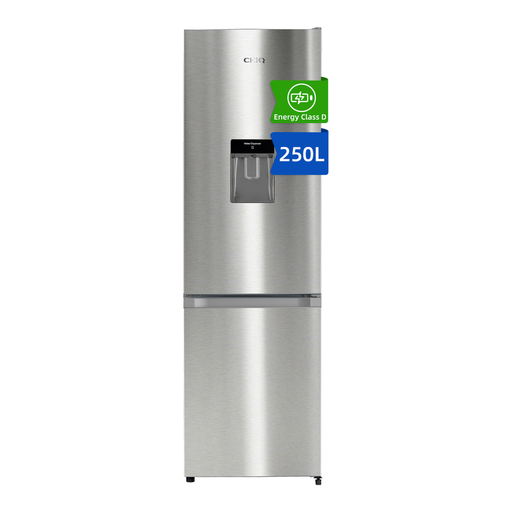 Image unavailable
Consider this model if you need a 54 cm-wide appliance and want to avoid routine manual freezer defrosting. It is listed as 181 cm tall, with Total No Frost and a D energy class.
Measure the installation space and check freezer litres and drawer dimensions against your curry containers. If you plan to add several cooled portions at once, check its freezing controls too.
 Image unavailable
Its listed 47 cm width and 144 cm height make it worth checking when the available appliance space is particularly narrow. The listing gives an E energy class and Low Frost operation.
Low Frost is not the same as No Frost, so check the defrosting instructions. Confirm that the freezer and its drawers hold the number and size of portions you intend to store.
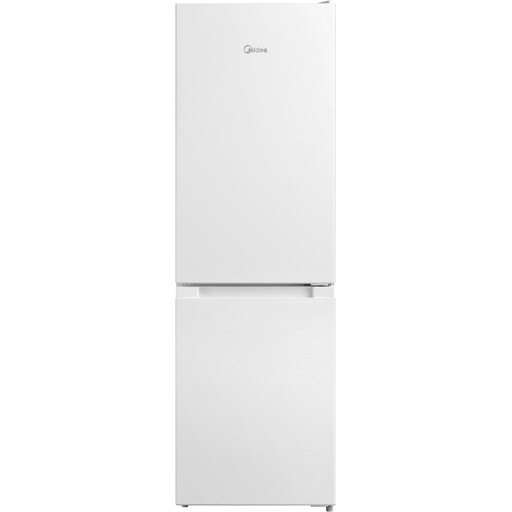 Image unavailable
This 50 cm-wide freestanding model is another option to measure for a narrow kitchen space. Its listing gives a 173 L total capacity and an E energy class.
Check freezer litres and drawer openings before relying on the total-capacity figure for portion storage. Follow the exact model’s installation and defrosting instructions.
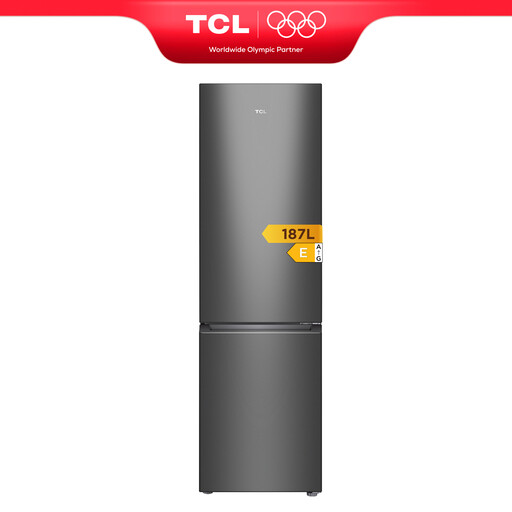 Image unavailable
Consider this model if a listed width of 55 cm suits your appliance space and Total No Frost matters to you. It is listed as 183 cm tall, with a 282 L total capacity and an E energy class.
Confirm its full installation dimensions and freezer litres, then check whether the drawers fit your portion containers. Total capacity alone cannot settle that choice.
A 50/50 layout is worth considering when frozen portions need as much attention as chilled groceries; a 60/40 layout favours fridge space. Compare the actual freezer litres and drawer openings before deciding, because the split alone cannot tell you whether your containers will fit.
Yes, once it has been cooled promptly and is ready for storage. NHS guidance on batch-cooked baby food recommends cooling it ideally within one to two hours before refrigerating or freezing, and rice within one hour. Divide food into shallow portions and follow any food-specific guidance that applies.
The Food Standards Agency recommends a fridge temperature no higher than 5°C. Check the appliance temperature rather than assuming its control setting represents the temperature where your food is stored.
No. Frost-Free operation removes the usual manual freezer-defrosting task, but you still need to follow the exact model’s cleaning and installation instructions.