Regular family batch-freezers
If you prepare pastry portions alongside other family meals, compare dedicated freezer space and drawer access before deciding how much fresh-food storage you can give up.


Start with the freezer compartment, not the appliance’s total capacity: a 50/50 fridge-freezer is a sensible starting point if pastry portions and chilled groceries both need regular space, while a 60/40 or 70/30 layout suits a stronger fresh-food priority. Compare usable freezer litres and drawer layout, then check the exact model’s frost-free features, dimensions, installation requirements and energy information.
If you prepare pastry portions alongside other family meals, compare dedicated freezer space and drawer access before deciding how much fresh-food storage you can give up.
If you want to find labelled portions without rearranging other frozen food, pay attention to the shape and accessibility of the freezer compartments, as well as frost-free maintenance.
If kitchen space is limited, check the appliance dimensions, delivery route and required clearances alongside its freezer capacity. Compare energy information for the exact models you are considering.
Decide how much space frozen portions need relative to everyday chilled groceries. A split label is only a starting point: compare the freezer compartment’s stated capacity and internal layout on each model.
| Concern | What to check | Who this matters to |
|---|---|---|
| Freezer capacity and split | Compare freezer litres and drawer space, not just total litres or a 50/50, 60/40 or 70/30 label. | I need room for pastry portions and other frozen meals, but still use the fridge every day. Around 33% of consumers put freezer capacity and the fridge/freezer split first. |
| Organisation and access | Look at drawer number and shape, including whether your portion packs will fit and remain easy to identify. | Keeping different portions separate matters more to me than having one large, mixed freezer space. Around 27% of consumers make organisation and access their primary concern. |
| Freezing features and upkeep | Check whether the exact model has frost-free operation and a rapid-freeze setting; follow food-label instructions when freezing portions. | I add prepared portions regularly and want less manual defrosting to manage. For around 20% of consumers, freezing features and upkeep come first. |
| Fit, energy and installation | Measure the appliance and delivery route, allow the clearance in its manual, and compare model-specific energy information. | The appliance has to fit my kitchen and be practical to install before extra freezer features matter. Around 20% of consumers prioritise fit, energy information and installation. |
A large total capacity can still leave too little freezer space for regular batches. Bosch identifies 60/40 and 70/30 layouts as options for households that buy more fresh food.
Compare the stated freezer litres and drawer layout with the portions and other frozen food you plan to store.
Suitability for a cold outbuilding depends on the exact appliance and compartment. Beko says the freezer compartment of its CCFM4552 can operate at ambient temperatures down to -15°C, but does not recommend using that model’s fridge compartment at low ambient temperatures.
Check the exact model manual against the temperatures expected where you intend to install it; do not apply a freezer-only claim to the whole appliance.
A multi-door appliance may fit its final position yet be difficult to move through a doorway or around a tight turn.
Measure the appliance, access route and installation space, then allow for the door movement and ventilation clearances specified by the manufacturer.
Electrical Safety First advises installing fridges and freezers close to a wall socket rather than using an extension lead. The appliance also needs the airflow specified in its installation instructions.
Check socket position and manufacturer-required clearances before choosing where the fridge-freezer will stand.
A reference point for conventional and integrated fridge-freezers in different compartment splits.
Worth considering when frost-free maintenance or an outbuilding location affects your choice.
Relevant if you want to examine a tall fridge-freezer with dedicated freezer drawers.
Relevant to households considering multi-door storage or direct-access freezer drawers.
Offers conventional bottom-freezer and larger door configurations to compare for different storage needs.
These choices span larger multi-door appliances, an integrated 50/50 model and freestanding options for different kitchen spaces. Compare their stated configurations against the pastry portions and everyday groceries you need to store.
 No image available
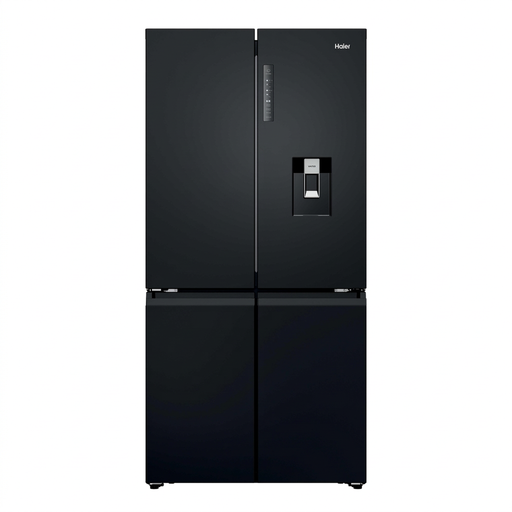
Consider this freestanding four-door model if you want to compare larger-appliance layouts for family batches. The stated 649 L is total capacity, so check freezer-specific space and the internal arrangement separately.
Confirm that the appliance and its required clearances fit your kitchen and delivery route. Check the exact model’s frost-free and rapid-freeze features if either is important to your routine.
 No image available
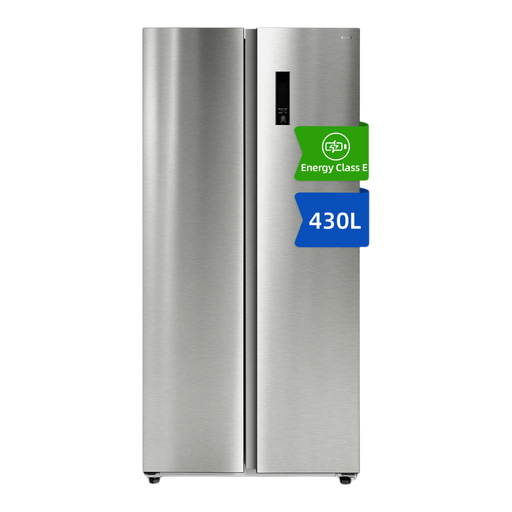
This side-by-side layout is worth assessing if you want separate access to chilled and frozen food while storing family portions. Its title states an 84 cm width, No Frost and an E energy rating; compare the freezer compartment and internal storage against your planned batches.
Measure the delivery route and check the required installation clearances. Use the exact model’s product information sheet when comparing energy use.
 No image available
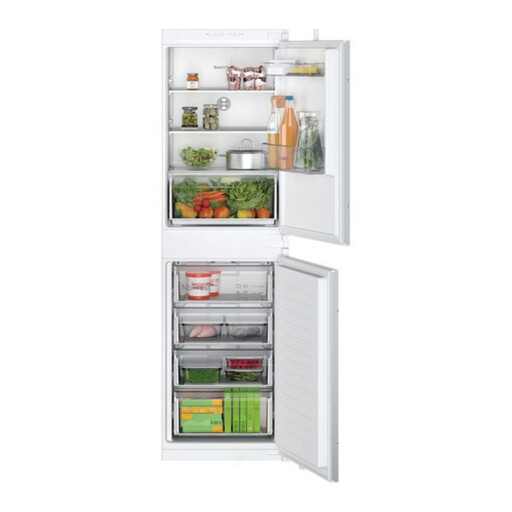
A 50/50 split is a starting point when chilled groceries and frozen portions both need regular space. This integrated model is listed as 249 L total, 177 cm tall, frost-free and E-rated; check its freezer litres and drawer layout for your batch sizes.
Confirm the cabinet cut-out and sliding-hinge arrangement before ordering. If you frequently add freshly prepared portions, check whether the exact model has a rapid-freeze setting.
 No image available
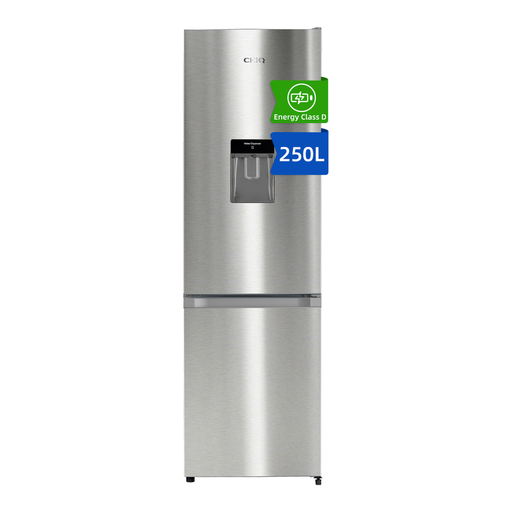
This freestanding model gives you a narrower appliance to assess where kitchen width is limited, though its freezer space still needs to accommodate your planned portions. Its title states a 54 cm width, 181 cm height, Total No Frost and a D energy rating.
Check freezer capacity and drawer shape before relying on it for larger batches. Confirm any rapid-freeze feature on the exact model if you add portions frequently.
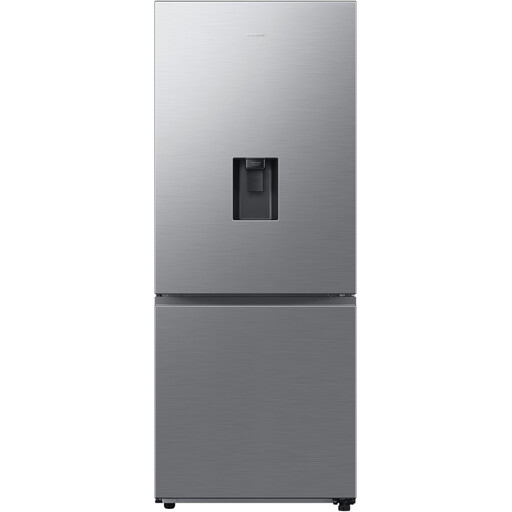 No image available
Consider this freestanding model if everyday chilled storage remains a significant part of the decision alongside pastry portions. Its title states a 75 cm width, 505 L total capacity and an E energy rating; compare its freezer compartment separately from the total figure.
Check the freezer drawer layout and whether the exact model has rapid freeze. Measure installation clearances and the full delivery route before ordering.
Aim for a freezer temperature of around -18°C, as advised by the Food Standards Agency. Follow the freezing, storage and defrosting instructions on each food label as well.
Start with a 50/50 layout if frozen portions and chilled groceries are similarly important; consider 70/30 if fresh-food storage clearly takes priority. Bosch associates fridge-prioritised splits with households buying more fresh food, but the freezer litres and drawer shape of the exact model still matter.
Frost-free operation can reduce manual freezer defrosting, which may matter when you use the compartment often. Bosch and Beko describe this benefit for their relevant systems; confirm the feature on the exact model rather than assuming every fridge-freezer includes it.
Use a garage only if the exact appliance documentation permits the conditions there for both compartments you intend to use. Beko says the freezer compartment of its CCFM4552 can operate at ambient temperatures down to -15°C, but does not recommend using that model’s fridge compartment at low ambient temperatures.
Measure the appliance’s intended position and the full delivery route, then check the exact model’s door and ventilation clearances. Electrical Safety First advises positioning fridges and freezers near a wall socket rather than using an extension lead.