Seasonal berry preservers
If you freeze several harvests over a few weeks, look for freezer space that can accommodate portions as you add them, with drawers that keep labelled batches accessible alongside everyday frozen food.


Start with the freezer compartment: for recurring berry harvests, compare its usable volume and drawer layout before choosing a fridge-freezer by total capacity or extra features. An even or freezer-led split may leave more room for batches than a fridge-led layout, but it also leaves less space for fresh food. Then check whether the appliance fits your kitchen and whether a rapid-freeze function, frost-free operation and its energy information meet your needs.
If you freeze several harvests over a few weeks, look for freezer space that can accommodate portions as you add them, with drawers that keep labelled batches accessible alongside everyday frozen food.
A replacement must fit the available space as well as hold the harvest. Check whether the kitchen calls for a freestanding appliance or an integrated model that matches the existing housing and cabinet door.
If you add food to the freezer frequently, a model-specific rapid-freeze setting and frost-free operation may be useful. Neither tells you how much room the freezer has for your portions.
Decide how much freezer room your harvest needs while leaving enough fridge space for daily use. The kitchen’s available space and installation format then determine which layouts you can consider.
Consider it when: You freeze berries in several batches but still need an everyday fridge, and the kitchen has a suitable space for a freestanding appliance.
Trade-off: Even a roughly equal fridge/freezer split must be checked against the freezer’s actual litres and drawer space.
Consider it when: You are replacing an appliance in compatible fitted-kitchen housing.
Trade-off: The appliance, cabinet door and hinge arrangement all need to match; a suitable freezer layout still matters.
Consider it when: A large harvest makes additional storage and separate compartments a priority, and you have room for a wider appliance.
Trade-off: Measure the kitchen space and delivery route, then compare freezer litres rather than assuming that greater total capacity means enough berry storage.
| Concern | What to check | Who this matters to |
|---|---|---|
| Freezer space and layout | Compare freezer litres separately from total capacity. Check whether the drawers or shelves can accommodate flat portions before you stack them. | If I freeze several harvest batches, I need room to keep labelled berries accessible without displacing everyday food. Around 33% of consumers put usable freezer space and layout first. |
| Newly added batches | Look for a rapid-freeze function on the exact model, and check its instructions for loading fresh food. | After picking berries, I want to add a batch without overlooking the food already in the freezer. For around 27% of consumers, handling newly added batches is the primary concern. |
| Kitchen fit | Measure the appliance space and delivery route. For an integrated model, check housing dimensions, cabinet-door requirements and hinge compatibility. | If I am replacing an appliance in a fitted kitchen, a workable installation comes before optional features. Kitchen fit leads the decision for around 20% of consumers. |
| Frost and energy | Check whether the exact freezer is frost-free, then compare its energy label with appliances of a suitable size. | With food going into the freezer regularly, I would rather limit defrosting work and consider ongoing energy use. Around 20% of consumers make those their first priority. |
A large fridge-freezer can still devote most of its space to chilled food, leaving too little accessible freezer room for berries and routine groceries.
Compare the freezer-compartment litres, the split and the drawer layout on each model.
Frost-free operation addresses ice build-up; it does not, by itself, establish how quickly a newly added berry batch freezes.
Check separately for a rapid-freeze function and consult independent freezing-performance results where available.
An integrated fridge-freezer must work with its housing, cabinet door and hinge system, not merely fit the measured gap.
Check the exact model’s installation instructions, ventilation requirements and delivery access before ordering.
Incompatible housing or hinges can mean fitting changes or an unsuccessful installation.
Beko distinguishes its FreezerGuard freezer-compartment claim on cited models from its advice against using the fridge compartment in low ambient temperatures.
Before placing any fridge-freezer in an unheated room, check the operating conditions for both compartments on the exact model.
Bosch offers freestanding and built-in fridge-freezer formats with differing compartment splits.
Beko’s cited integrated fridge-freezers include frost-free models with FreezerGuard.
Samsung has fridge-freezer models with freezer-loading and connectivity features that vary by model.
Haier offers multi-door fridge-freezers for buyers considering a wider format and separate storage zones.
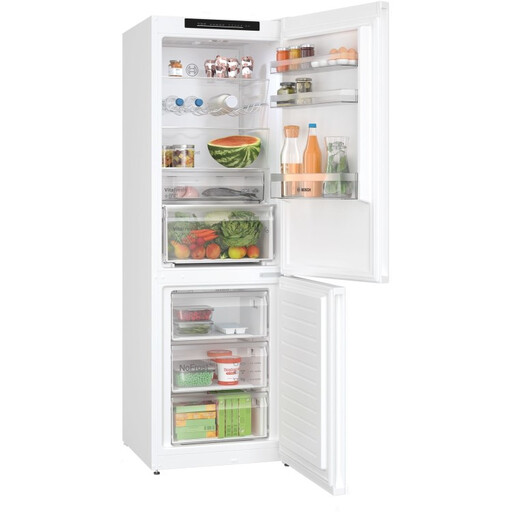
These Joybuy choices cover a 60/40 freestanding model and several wider four-door, side-by-side or larger-capacity fridge-freezers. Compare each model’s freezer compartment and internal layout for your berry batches; the total capacity in a product name is not the freezer capacity.
 No image available
Consider this 60/40 layout if you need a household fridge alongside space for recurring berry batches; check the freezer litres and drawer arrangement against the amount you plan to store.
The product name specifies NoFrost, a 186 cm height, a 60 cm width and energy class D. Allow for the required installation clearances when measuring the space.
 No image available
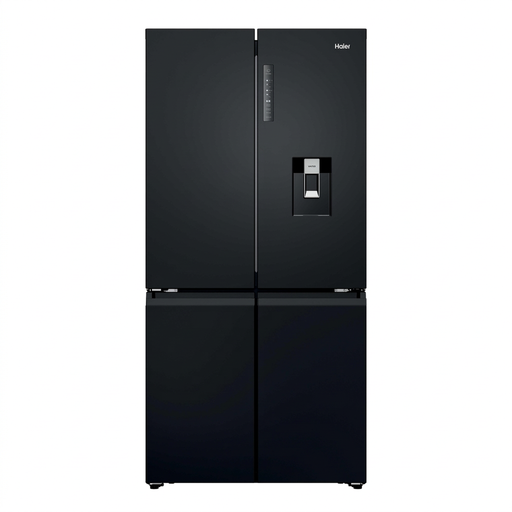
This freestanding four-door format is worth considering if you need to organise a large harvest alongside household food. Confirm the freezer’s own capacity and the space available for flat portions.
The product name states 649 L total capacity. Measure the full appliance and delivery route before choosing a larger format.
 No image available
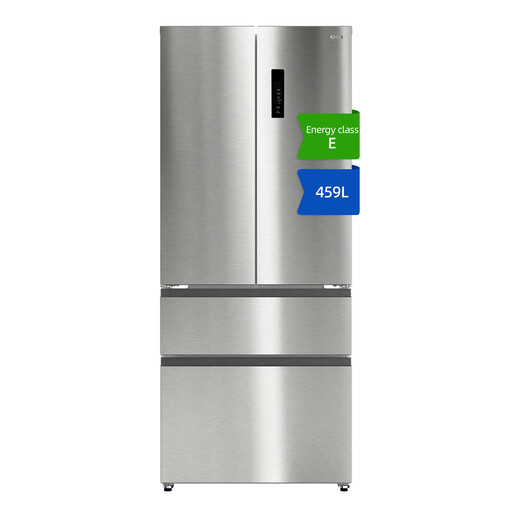
Consider the four-door layout if separating berry batches from other food matters to you; inspect the freezer compartments and check how the appliance must be installed.
The product name states 459 L total capacity, an 80 cm width, Total No Frost and energy class E. Check the exact dimensions and required clearances against your space.
 No image available
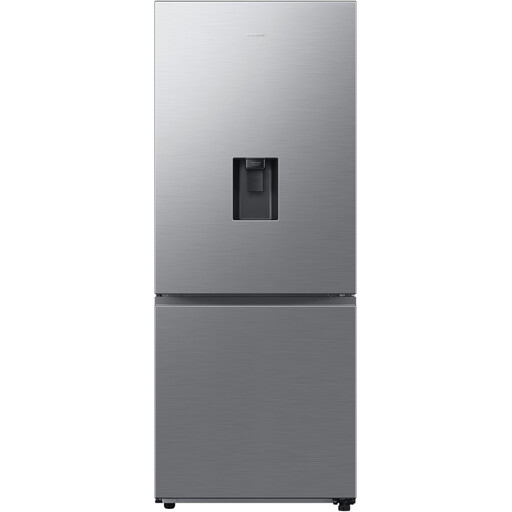
If you are considering a larger appliance for harvest storage, compare this model’s freezer litres and drawer space with the food you already keep frozen.
The product name states 505 L total capacity, a 75 cm width and energy class E. Its stated total capacity should not be read as freezer capacity.
 No image available
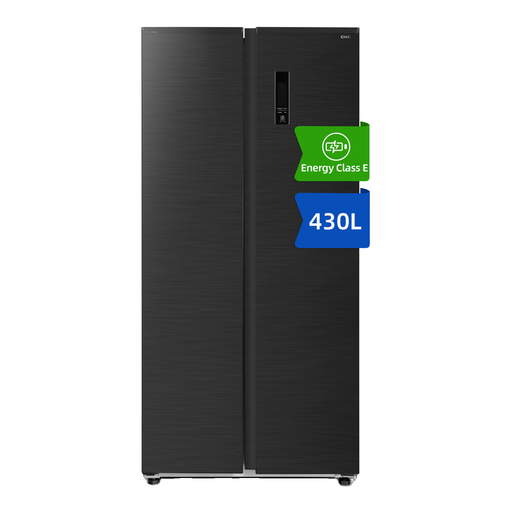
A side-by-side layout may suit you if you want defined fridge and freezer sections, provided the freezer shelves or drawers work for your berry portions.
The product name states 430 L total capacity, an 84 cm width, No Frost and energy class E. Check both the kitchen space and delivery route for this width.
Check that the fridge-freezer can maintain an appropriate freezer temperature and follow its instructions for newly added food. Which? advises keeping food below -16°C for preservation and says quicker freezing is preferable; consult the appliance instructions and food-safety guidance for handling your berries.
A rapid-freeze function is most relevant when you add newly picked berries in batches, but it cannot make up for too little freezer space. Samsung says Power Freeze rapidly lowers freezer temperature after stocking up on its RB38C607AB1EU, while Bosch describes Super Freeze on its KIN86NSE0G; check the function and its instructions on the exact model you are considering.
Choose an integrated model if it matches your kitchen housing, cabinet door and hinges; otherwise, assess a freestanding model against a suitable kitchen space. General measurement guidance describes freestanding appliances as able to sit between cabinets or in a corner, but either format still needs its specified installation clearances.
Compare the energy labels of fridge-freezers that meet your freezer-capacity and kitchen-fit needs, rather than choosing by energy class alone. GOV.UK provides energy-labelling information for household refrigerating appliances; appliance size and format also matter when you compare models.
Check the operating conditions for both compartments on the exact model before choosing an unheated location. Beko states that the freezer compartments of its cited FreezerGuard models can operate at ambient temperatures down to -15°C, but it does not recommend using their fridge compartments in low ambient temperatures.