Families cooking with fresh vegetables
If radishes, salad vegetables and other fresh ingredients regularly go into family meals, prioritise an accessible produce drawer and usable fridge space over freezer volume you rarely need.


Choose the fridge layout before focusing on total capacity: for regular family meals using radishes and other vegetables, look for a usable produce drawer and enough chilled space for the rest of the shop. A larger fridge section suits households that buy more fresh than frozen food, while a 50/50 split is a starting point when both need similar space. Check kitchen fit and the exact model’s drawer features; no freshness feature establishes how long radishes will keep.
If radishes, salad vegetables and other fresh ingredients regularly go into family meals, prioritise an accessible produce drawer and usable fridge space over freezer volume you rarely need.
If meals draw on both fresh ingredients and frozen staples or batch-cooked portions, compare the two compartment volumes separately. The drawer and shelf arrangement still needs to work for your weekly shop.
In a compact or fitted kitchen, dimensions alone may not settle the choice. Check the delivery route, door-opening space and ventilation instructions; an integrated replacement also needs compatible housing and door fixings.
Start with the space your fresh and frozen shopping actually needs, then check the vegetable drawer and whether the appliance will fit. Love Food Hate Waste advises storing most fruit and vegetables in the fridge below 5°C, with exceptions including bananas, whole pineapples and onions; a drawer does not replace an appropriate fridge temperature.
| Concern | What to check | Who this matters to |
|---|---|---|
| Vegetable storage | Check the exact model’s drawer layout and temperature controls; assess whether the drawer holds the vegetables you usually buy. | If radishes and salad vegetables are regular meal ingredients, I want a drawer where I can keep them accessible without crowding the fridge. Around 36% of consumers put suitable vegetable storage first. |
| Fresh-food capacity | Compare chilled and frozen volumes separately, then inspect shelves and drawer space rather than relying on the total litres. | When fresh ingredients need to share space with other family groceries, I need a practical fridge compartment more than a headline capacity figure. For around 29% of consumers, usable fresh-food space is the main concern. |
| Kitchen fit | Measure the installation space, delivery route and door clearance; check ventilation guidance and, for integrated models, cabinet and hinge compatibility. | A replacement has to reach my kitchen and open properly once installed. Kitchen fit comes first for around 21% of consumers. |
| Maintenance and energy | Confirm what the model’s frost-free description covers, and compare its energy label and product information sheet with its capacity. | If avoiding freezer defrosting and understanding energy use matter most, I will weigh those details alongside storage space. Around 14% of consumers make maintenance and energy information their primary concern. |
Total capacity does not show how much room the fridge compartment, vegetable drawer or freezer provides. A larger-fridge layout also leaves less space for frozen food.
Compare compartment volumes separately and look at the drawer and shelf arrangement against your usual shopping.
Manufacturer descriptions of produce-storage technology apply to particular models and do not establish the same result for every vegetable or storage routine.
Confirm the exact drawer feature and temperature controls, then judge whether the usable space meets your needs.
An appliance may fit the measured opening but leave too little space for its door, ventilation or delivery route. Integrated models also need compatible cabinets and door fixings.
Measure the route into the kitchen and check the manufacturer’s installation instructions before ordering.
Insufficient clearance may mean changing the installation plan or choosing a smaller replacement.
An energy class does not, by itself, determine a household’s electricity bill; annual consumption, appliance capacity, use and tariff also matter.
Compare the energy information for the exact models alongside the storage capacity you need.
Relevant to households comparing produce-storage drawers in freestanding or integrated fridge-freezers.
Relevant when comparing freestanding models with produce-focused features.
Relevant to buyers considering separate-airflow cooling and smart features on selected models.
Relevant to fitted-kitchen buyers considering an integrated fridge-freezer with a vegetable drawer.
Relevant when comparing a conventional salad crisper with more specialised drawer designs.
These models provide different overall sizes and formats for family food storage. Compare their usable vegetable space and fresh-to-frozen layout against your shopping habits before choosing.
 No image available
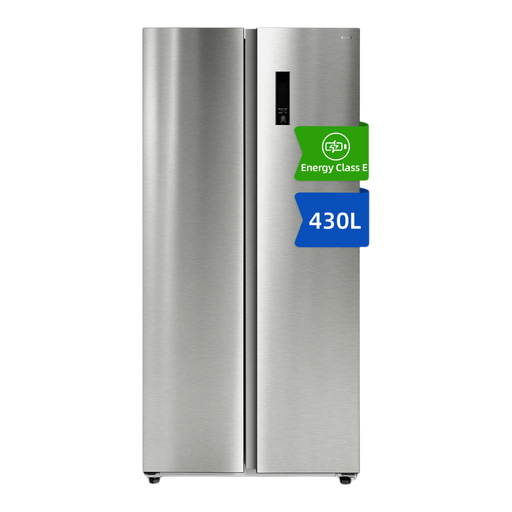
For family meals with several fresh ingredients, check whether its vegetable-drawer space works for your shop. This 84cm-wide model is listed as No Frost and energy class E; measure the route into the kitchen as well as the installation space.
 No image available
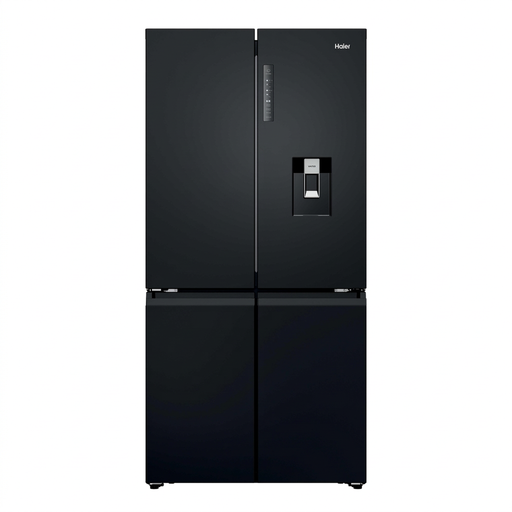
If you need a large appliance for fresh and frozen family food, assess how the drawers and compartments divide its space. This freestanding, four-door model needs careful checks of kitchen clearance, door opening and delivery access.
 No image available
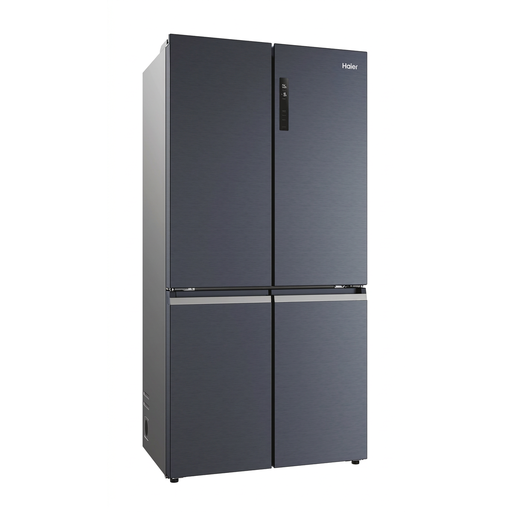
For a household fitting fresh ingredients around frozen food, inspect the vegetable drawer and the space available in each compartment. Check that this freestanding model can pass through the delivery route and open fully in the kitchen.
 No image available
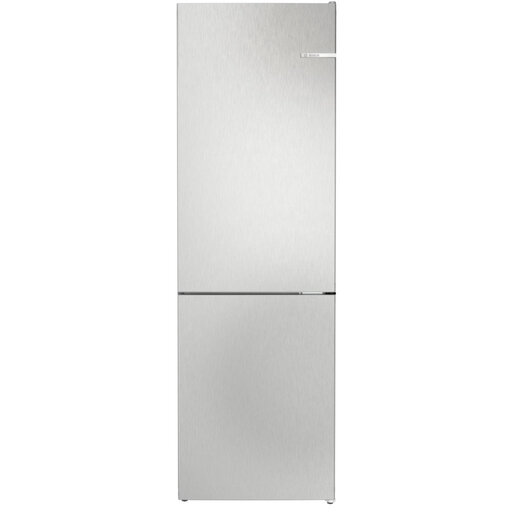
If vegetable storage is your priority, confirm the exact drawer design and temperature settings before choosing. This energy class D model is listed as 186cm tall and 60cm wide; allow for the manufacturer’s installation clearances.
 No image available
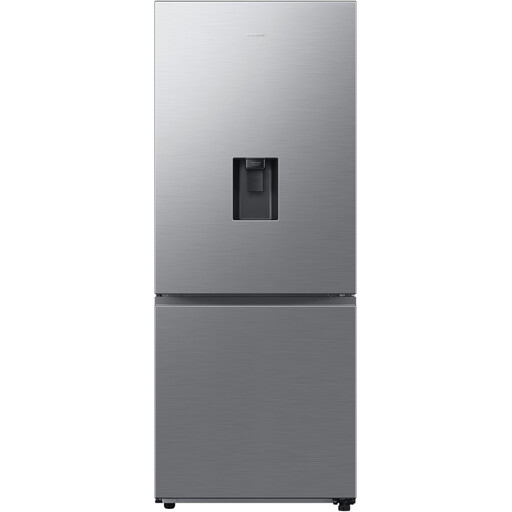
For family shopping that favours chilled ingredients, check how much usable space the fridge and vegetable-storage area provide. This 75cm, energy class E model also needs checks for door clearance and ventilation.
Keep radishes intended for a family meal in the fridge rather than the freezer. Love Food Hate Waste advises storing most fruit and vegetables below 5°C; check the actual fridge temperature rather than relying only on the control dial.
No specific humidity-controlled feature is necessary to make a fridge-freezer worth considering for radishes. Start with a usable vegetable drawer and suitable fridge temperature; if humidity control matters for your wider fresh-produce shopping, confirm that the exact model provides it.
A 50/50 split is a starting point if your household uses chilled and frozen food in similar amounts; consider a larger fridge section if fresh ingredients consistently need more room. Compare the actual compartment volumes and drawer layout, because the ratio alone does not show usable space.
Compare the energy label and product information sheet for each exact model, including annual consumption and capacity. UK government energy-labelling guidance requires an accurate printed label and product information sheet for products within its scope; your electricity tariff and use also affect running costs.
No. Check the cabinet and appliance dimensions, ventilation instructions and door-fixing arrangement before buying. A compatible-looking opening does not establish that the hinges and cabinet door will work with the replacement.