Regular batch bakers
If you prepare several batches or portion dough ahead of time, focus on usable freezer space, a layout that keeps portions separate and the declared capacity for freezing newly added food.


Choose by the freezer compartment, not the appliance’s total capacity. If you regularly add large batches of biscuit dough, compare freezer litres, drawer layout and declared freezing capacity in kg per 24 hours; if you freeze dough occasionally, kitchen fit and upkeep may matter more. Check the exact model’s dimensions and energy information before buying.
If you prepare several batches or portion dough ahead of time, focus on usable freezer space, a layout that keeps portions separate and the declared capacity for freezing newly added food.
If you freeze dough occasionally, measure the installation space and delivery route before favouring a larger freezer. Appliance depth, height and room for the doors to open can decide whether a model works in your kitchen.
If extra dough storage would go in a garage or outbuilding, check the instructions for the exact model and both compartments. Beko says FreezerGuard supports the freezer compartment at ambient temperatures down to −15°C, but does not recommend using the fridge compartment at low ambient temperatures.
Start with how much dough you need to store or freeze at once, then check whether the appliance fits your space and how you want to manage defrosting.
| Concern | What to check | Who this matters to |
|---|---|---|
| Freezer space and fresh batches | Compare net freezer litres, drawer layout and declared freezing capacity in kg per 24 hours. | If I portion several batches ahead, I need room to store them and a rating suited to adding fresh dough. Around 42% of consumers put batch storage and freezing capacity first. |
| Kitchen fit and organisation | Measure height, width, depth and door-opening clearance; consider whether drawers suit your containers or flat portions. | A larger appliance is no use to me if it cannot fit the opening or let me reach the dough easily. For around 33% of consumers, fit and organisation are the primary concern. |
| Upkeep and energy information | Check the exact model’s defrosting system, energy label and product information sheet. | If I freeze dough only now and then, I may care most about defrosting work and comparing the appliance’s ongoing-use information. That is the main concern for around 25% of consumers. |
Total capacity includes the fridge. In the documented examples, Marks Electrical lists 133 L of freezer space for Beko CFG4501W and 114 L for Samsung RB38C605DB1/EU, while Bosch lists 89 L for KGN392LEBG.
Compare freezer litres separately, then consider how the drawers will hold portions, tubs or flat bags alongside other food.
Frost-free operation addresses ice build-up and defrosting; declared freezing capacity is a separate kg-per-24-hour figure for newly added food.
For substantial fresh batches, check both specifications rather than treating either as a substitute for the other.
Beko’s FreezerGuard statement concerns the freezer compartment, while its guidance does not recommend using the fridge compartment at low ambient temperatures.
Before placing any fridge-freezer in a garage or outbuilding, check the current instructions for that exact model, including its permitted ambient temperature and installation requirements.
The CFG4501W illustrates a freezer-led layout for keeping dough batches separate.
The freestanding KGN392LEBG illustrates a choice where adding fresh batches matters alongside separate temperature control.
The RB38C605DB1/EU illustrates a freestanding fridge-freezer that combines household food storage with space for frozen dough.
These fridge-freezers offer different overall sizes and layouts for households that also want to freeze biscuit dough. Check freezer-specific capacity and batch-freezing information for the exact model before deciding how well it suits your dough-making routine.
 No image available
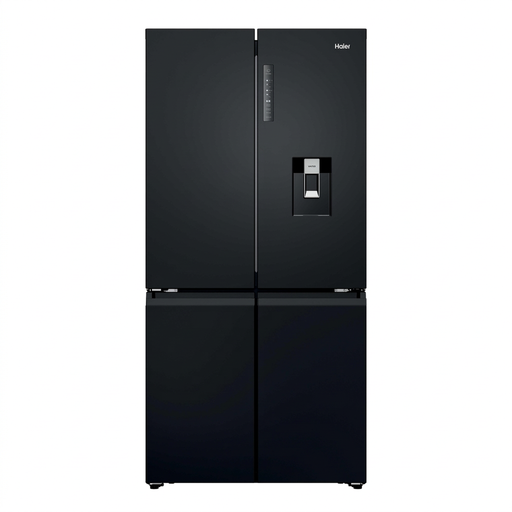
Consider this four-door model if you want to assess a larger appliance for repeated dough batches alongside household food storage.
Freestanding refrigerator-freezer; 649 L overall capacity; black finish. Check the freezer compartment’s capacity, freezing rating, dimensions and door-opening arrangement against your needs.
 No image available
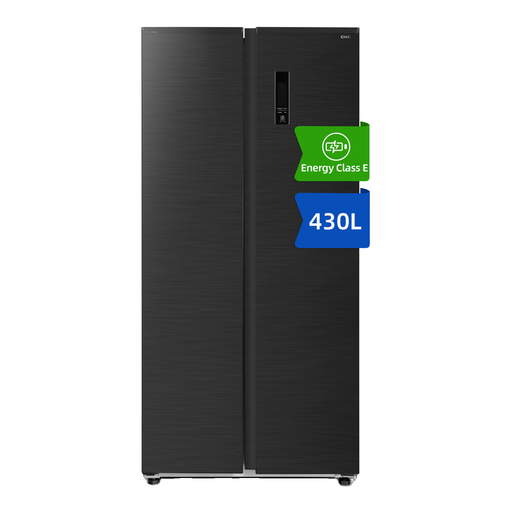
Consider the side-by-side layout if you want to assess how frozen dough and other food would share the appliance.
84 cm wide; No Frost; black steel finish; energy class E. Check freezer-specific litres, declared freezing capacity and door clearance before buying.
 No image available
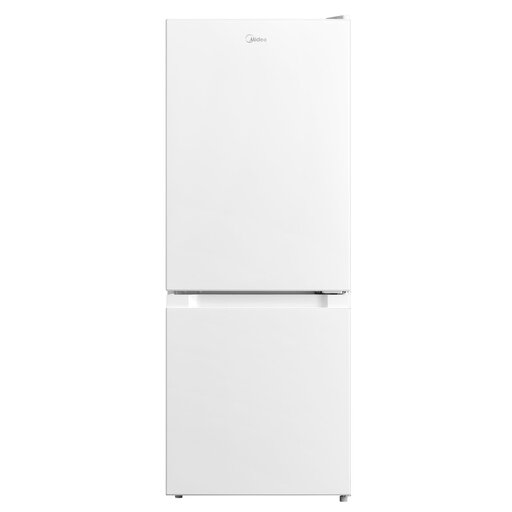
Its lower stated height makes this model worth measuring up if kitchen space limits your choice for occasional dough freezing.
123 cm high; Low Frost; white finish; energy class E. Low Frost is not the same as fully frost-free operation; check the freezer’s capacity and declared freezing rating if you prepare large batches.
 No image available
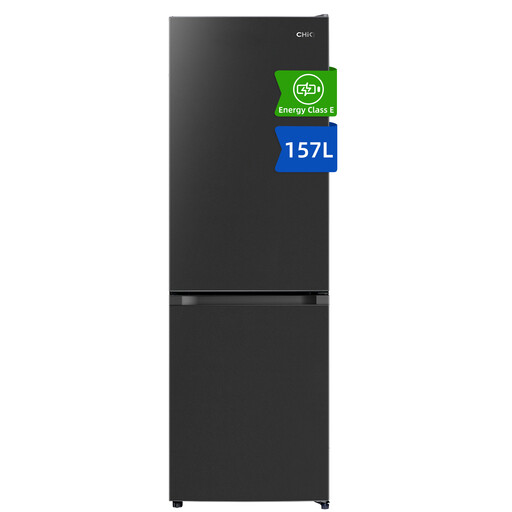
Consider this narrower model if the available width is a deciding factor and you freeze smaller amounts of dough.
47 cm wide and 144 cm tall; Low Frost; black finish; energy class E. Check freezer-specific space and the declared freezing rating before relying on it for substantial fresh batches.
 No image available
Consider its two freezer drawers if separating dough portions from other frozen food matters to you.
54 cm wide; No Frost; black steel finish; energy class E. Check the freezer’s net capacity, declared freezing rating and space needed to open the drawers.
The Food Standards Agency’s research review gives −18°C as the recommended temperature for domestic freezers. Follow the appliance instructions for setting and using the exact model rather than assuming its displayed setting tells you every storage condition.
Check both: freezer litres describe storage space, while declared freezing capacity in kg per 24 hours addresses newly added food. If you make large batches at once, compare the freezing rating as well as the room available to keep the dough afterwards.
Only choose one for that location after checking the exact model’s installation instructions. Beko says FreezerGuard can support the freezer compartment down to an ambient temperature of −15°C, but does not recommend using the fridge compartment at low ambient temperatures; that freezer claim alone does not establish suitability for the whole appliance.
Compare the energy label and product information for the exact fridge-freezer model and variant. Read those alongside freezer capacity and the appliance’s dimensions rather than treating its energy class as a complete description of how it will suit your kitchen.