Seasonal batch freezers
If you blanch a harvest or prepare several batches at once, freezer volume and drawers for separating dated portions may matter more than extra fridge space.


For occasional portions of blanched green beans, a fridge-freezer with enough freezer space alongside everyday groceries is a practical starting point. If you freeze large seasonal batches, compare freezer-led fridge-freezers with a separate upright freezer; in either case, check frozen-compartment volume, drawer layout and any fast-freeze function before deciding. Kitchen fit, energy information and the permitted ambient temperature also matter for the exact model.
If you blanch a harvest or prepare several batches at once, freezer volume and drawers for separating dated portions may matter more than extra fridge space.
If green beans share the freezer with weekly groceries, look for a balance between chilled storage, usable freezer space and kitchen fit.
A fitted-kitchen niche, narrow access route or proposed outbuilding location can determine which appliance is suitable before its freezer features come into play.
Start with the space your portions will occupy in the freezer, then check how you will add fresh batches and whether the appliance fits its intended location.
| Concern | What to check | Who this matters to |
|---|---|---|
| Freezer space and organisation | Compare frozen-compartment litres and the number and shape of drawers, rather than total appliance capacity alone. | When I freeze a harvest in labelled portions, I need room to store and retrieve the batches alongside other food. Around 31% of consumers put organised freezer capacity first. |
| Adding fresh batches | Check whether the exact model has a fast-freeze function and follow its operating instructions; No Frost is a separate feature. | If I add green beans regularly, I want to limit warming of the food already frozen. For around 31% of consumers, handling new batches is the primary concern. |
| Kitchen fit and access | Measure the appliance position, delivery route and door clearance; for integrated models, check niche dimensions and door fittings. | A suitable freezer is no use to me if it cannot pass through the access route or fit the kitchen cabinetry. Kitchen fit comes first for around 23% of consumers. |
| Energy and placement | Compare model-level energy information and check the permitted ambient-temperature range if the appliance will stand in a cold location. | If the appliance will run in an outbuilding, I need its stated operating conditions to cover that position; I also want to assess its electricity use. Around 15% of consumers prioritise running information or placement conditions. |
Total capacity includes the fridge. It will not tell you how much space is available for portioned green beans in the frozen compartment.
Compare freezer litres and drawer layout for the exact model. Bosch UK lists 76 L of frozen-compartment volume for its integrated KIN86VSE0G, whereas AEG UK lists 280 L for its separate OAG6N281EW upright freezer; these are different appliance formats, not category-wide capacities.
No Frost addresses ice build-up. A fast-freeze setting is a separate model-specific function for adding fresh food; AEG describes its Frostmatic function as accelerating freezing and protecting food already stored from undesirable warming.
Look for the exact model's named function and follow its instructions rather than assuming that frost-free operation includes it.
Low ambient temperatures can affect where an appliance may be used, and a condition stated for the freezer compartment need not apply to the fridge compartment.
Check the installation guidance for the exact model and location. Beko UK states that the CFG4552 freezer compartment can operate at ambient temperatures down to -15°C, but does not recommend using its fridge compartment at low ambient temperatures.
An energy-class letter alone does not show a model's annual electricity consumption or how its capacity meets your storage needs.
Compare the energy label and product information sheet for the models you are considering, alongside frozen-compartment volume and installation conditions.
Bosch has an integrated model worth examining where cabinet fit and a specified freezer volume are important.
The CFG4552 is relevant when the proposed position is a garage or another cold location.
Samsung has a fridge-freezer with a named Power Freeze function for buyers comparing ways to add fresh batches.
AEG provides model-specific specifications for both an integrated fridge-freezer and a separate upright freezer.
Haier has a multi-door fridge-freezer to consider where a larger freestanding format fits the kitchen.
These fridge-freezers cover freestanding, larger multi-door and integrated layouts for storing blanched green beans alongside other food. Compare each model's actual freezer space and installation requirements against the batches you plan to freeze.
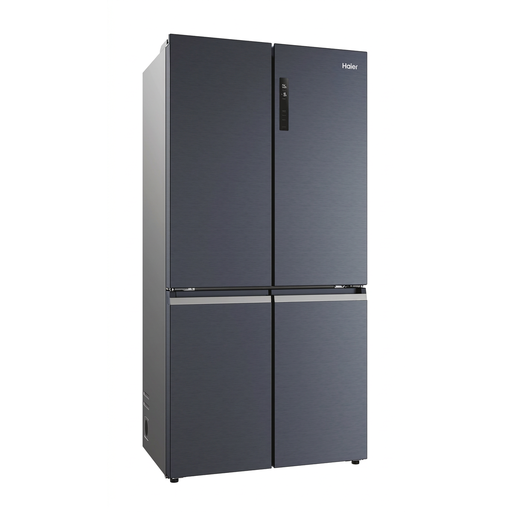 No image available
Consider this freestanding model if you want chilled storage alongside space for repeated green-bean batches; compare its freezer-compartment volume and organisation with the portions you plan to keep.
The stated 528 L is total appliance capacity, not freezer capacity. Check the exact model's fast-freeze instructions and permitted ambient-temperature range for your intended position.
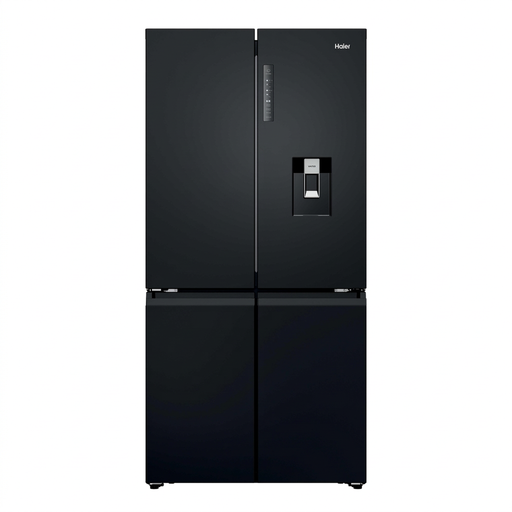 No image available
This freestanding four-door format is worth considering for larger batches if its freezer compartment and layout accommodate your portions.
The 649 L figure describes total capacity. Measure the kitchen position and access route, and check the exact model's frost-management and fast-freeze features if you need them.
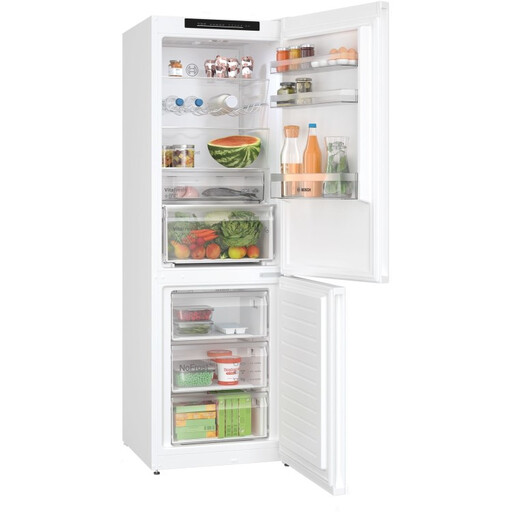 No image available
For routine green-bean portions alongside everyday groceries, check whether this combined fridge-freezer's freezer layout gives you enough accessible space.
The title specifies NoFrost, a 60/40 split, 186 cm height, 60 cm width and energy class D. Check the product information sheet for the freezer volume and freezing capacity relevant to your batches.
 No image available
Consider this side-by-side format if you want substantial frozen storage alongside chilled food, provided the freezer layout suits your green-bean portions.
The title specifies a non-plumbed ice and water dispenser and energy class D. Measure the installation space and delivery route, and check freezer volume and batch-freezing features for the exact model.
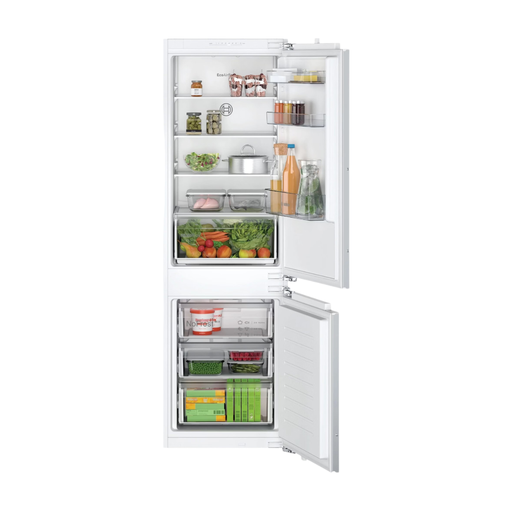 No image available
Where a fitted kitchen determines the format, compare this model's freezer compartment with the green-bean portions and other frozen food you need to store.
The title specifies a 177 cm appliance, 260 L total capacity, Total NoFrost and energy class E. Confirm the required cabinet-niche dimensions and fixed-hinge compatibility before ordering.
A fridge-freezer can suit smaller, routine portions; a separate upright freezer is worth considering when seasonal batches need more dedicated frozen storage. Compare freezer litres and organisation rather than total appliance size: AEG UK lists 280 L freezer capacity for its OAG6N281EW upright model, but the space you need depends on what else you store.
It is particularly relevant if you regularly add substantial fresh batches to a freezer that already contains food. AEG Support says its Frostmatic function accelerates freezing of fresh food and protects stored food from undesirable warming; confirm the function and follow the instructions for your exact appliance.
Use the recommended setting in your appliance's own instructions. For example, AEG UK specifies -18°C as the recommended freezer temperature for its OAG6N281EW upright freezer; that model specification does not replace the instructions for another appliance.
Only choose a location covered by the exact appliance's stated operating conditions, checking the fridge and freezer compartments separately. Beko UK says the CFG4552 freezer compartment can operate at ambient temperatures down to -15°C, but does not recommend using its fridge compartment at low ambient temperatures.
Compare the energy label and product information sheet for each model alongside its freezer capacity, rather than relying on the class letter alone. The UK Department for Energy Security and Net Zero and Office for Product Safety and Standards identify the label and information sheet as model-level information for products within the relevant energy-labelling rules.