Households that regularly keep leftover soup
If soup is usually eaten soon after cooking, you need accessible fridge shelf space for covered containers without crowding other food.


Choose a fridge-freezer with usable shelf space for your covered soup containers, then decide how much freezer room you need if you regularly freeze portions. Check that you can keep the fridge at 5°C or below and cool leftovers promptly; frost-free features can reduce maintenance, but they do not replace safe storage.
If soup is usually eaten soon after cooking, you need accessible fridge shelf space for covered containers without crowding other food.
If you make several servings at once, consider how labelled soup portions will fit in the freezer alongside the food you already store there.
If space is tight, check the appliance dimensions, access to its shelves and whether a freestanding or integrated installation fits your kitchen.
For regular soup storage, settle the balance between chilled space and freezer room before comparing features such as frost-free operation.
| Concern | What to check | Who this matters to |
|---|---|---|
| Chilled storage and temperature | Check for a stable shelf position for covered containers and a way to set and check the fridge at 5°C or below. | If I refrigerate soup to eat soon, I want space for it without crowding the fridge and a temperature I can check. Around 33% of consumers put safe chilled storage first. |
| Space to freeze portions | Compare frozen-compartment volume and drawer dimensions with your portion containers and existing frozen food. | When I cook several servings, I need portions to fit alongside my usual frozen food; around 20% of consumers prioritise freezer space. |
| Container access | Measure containers with their lids, then check shelf width, depth and adjustable positions on the exact model. | I use wide, lidded containers and need to take one out without disturbing everything around it. Container organisation comes first for around 27% of consumers. |
| Kitchen fit and upkeep | Measure the installation space and door clearance; compare the model’s energy information and defrosting requirements. | If I am replacing an appliance in a tight space, it has to fit and be practical to maintain. Around 20% of consumers make fit and ongoing upkeep their primary concern. |
Less ice build-up does not show that soup was cooled promptly or that the fridge is at 5°C or below.
Choose frost-free operation for easier maintenance, and check temperature and leftover-handling needs separately.
A capacity figure cannot tell you whether your widest lidded container will sit securely on a usable shelf.
Measure the containers you use and compare them with shelf dimensions and adjustable positions before ordering.
A 70/30 layout favours fridge space, while a 50/50 layout gives a more balanced arrangement. The label alone does not tell you the usable volume or drawer layout.
Decide whether you usually refrigerate soup or freeze portions, then compare the stated chill and frozen-compartment volumes of the exact models.
Availability can vary by area: Beko states that its CNA4603V is unavailable in Northern Ireland.
Check delivery coverage and any installation service for your postcode and chosen model before ordering.
Bosch offers freestanding and built-in fridge-freezers. Its freestanding KGN392LEBG illustrates a fridge-led layout, with a stated 279 L chill compartment and 89 L frozen compartment.
Hotpoint’s HPKF 6353 XBR4UK is a freestanding 50/50 fridge-freezer with Dual No Frost, adjustable door storage and Fast Freeze.
Beko’s freestanding CNA4603V has a stated 415 L capacity and a 60 cm width, providing an example to compare if you need general food storage as well as room for containers.
These models offer freestanding and integrated options for households comparing fridge space, freezer room and kitchen fit. Check container dimensions and temperature controls on the exact model before choosing.
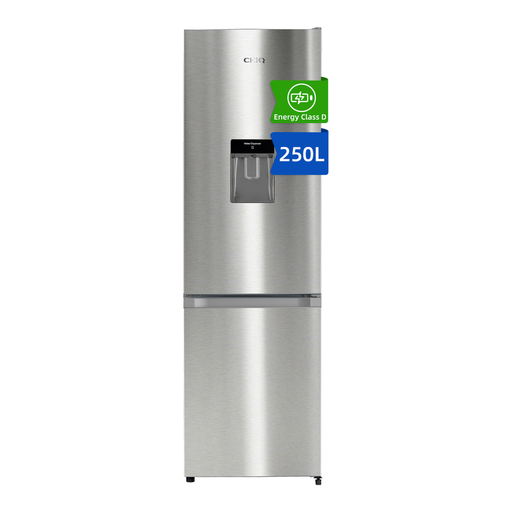 No image available
Consider this freestanding model if a 54 cm-wide appliance fits your kitchen and you want to store both chilled soup and frozen portions.
The title specifies a height of 181 cm, Total No Frost and a water dispenser. Check usable shelf dimensions against your containers and confirm how to set and check the fridge temperature.
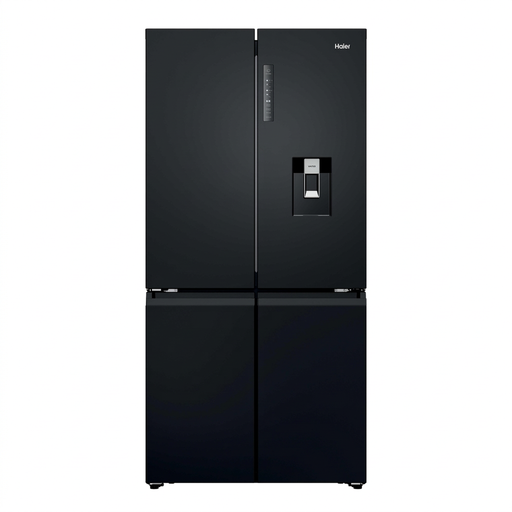 No image available
If you keep several chilled containers and frozen portions, compare this freestanding four-door model with the space available in your kitchen.
Its title states a 649 L capacity. Check the full installation and delivery access dimensions, usable shelf space and fridge temperature controls before ordering.
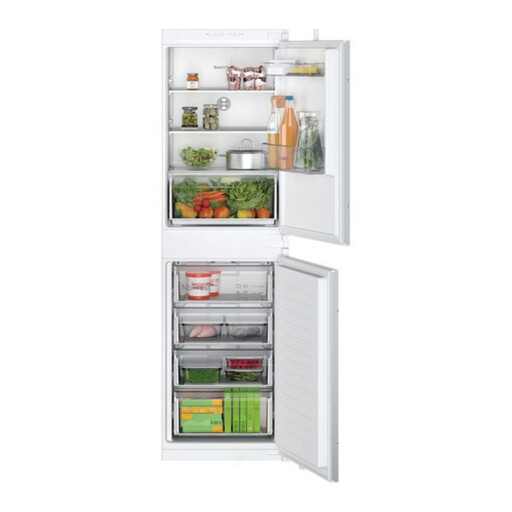 No image available
Consider this model for a fitted-kitchen replacement only after checking the cabinet and door arrangement.
Its title specifies a 177 cm height and sliding-hinge installation. Confirm the required niche dimensions, usable shelf space and fridge temperature controls. Check the exact compartment volumes rather than relying on the title’s 50/50 description.
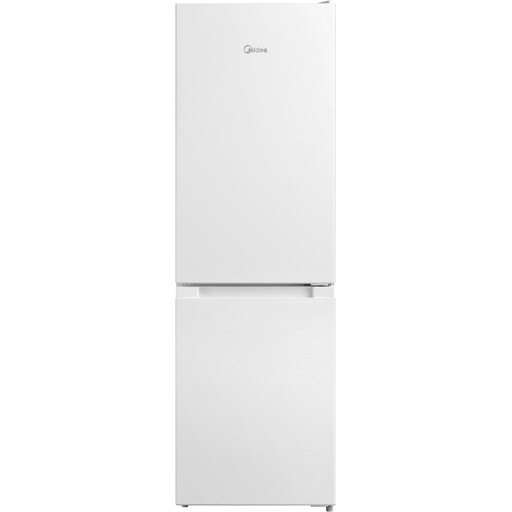 No image available
This freestanding model is worth measuring for a narrower kitchen if you want space for chilled soup and some frozen portions.
Its title states a 50 cm width and 173 L total capacity. Check exact installation dimensions, container fit and fridge temperature controls; its Low Frost specification does not mean frost-free operation.
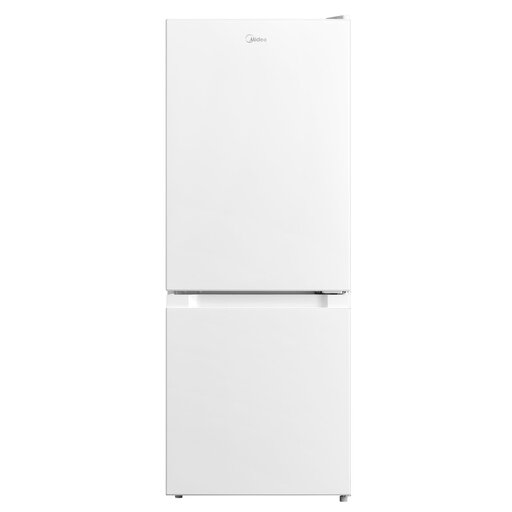 No image available
For a kitchen with limited height, compare this model with the space needed for your covered soup containers and frozen portions.
The title states a 123 cm height and Low Frost operation. Confirm the exact installation clearances, usable shelf dimensions and fridge temperature controls; Low Frost may still involve manual defrosting.
Cool leftover soup promptly, then refrigerate or freeze it in covered containers. The NHS advises an ideal cooling period of 1–2 hours for prepared baby food; if the soup is for a baby or contains ingredients needing particular care, follow guidance specific to that food.
Aim to keep the fridge at 5°C or below. Check the temperature with a fridge thermometer rather than assuming the control setting reflects the temperature around stored food.
Put them on a stable shelf away from raw meat or fish. If you store raw meat or fish in the same fridge, keep it contained on the bottom shelf so drips cannot reach ready-to-eat leftovers.
No. Frost-free operation reduces ice build-up and defrosting work, but it does not replace prompt cooling or temperature checks. Compare usable shelf space and freezer layout as well as maintenance features.
An integrated model must fit the intended cabinetry and door system, so check the required niche dimensions and hinge arrangement before ordering. A freestanding model also needs adequate installation space and door clearance, but does not depend on the same cabinet-door match.