What matters when choosing?
Start with the dough containers and the kitchen’s mix of frozen and chilled stock. Then check the maintenance features and whether the appliance can operate in its intended location.
| Concern |
What to check |
Who this matters to |
| Freezer space and organisation |
Compare frozen-compartment litres and drawer layout; measure whether dough containers fit flat. |
If several people store dough, I need enough distinct space to find my labelled portions without disturbing anyone else’s stock. Around 42% of consumers would put freezer capacity and separation first. |
| Freezing and maintenance |
Check the exact model’s frost-control features and whether it has a batch-freezing function; plan temperature checks separately. |
With new batches going into a shared freezer, I want a manageable freezing and upkeep routine. Freezing features and maintenance would be the primary concern for around 33% of consumers. |
| Fit and location |
Measure the access route and installation space; for an outbuilding, check the operating conditions of both compartments. |
If the appliance must pass through a narrow entrance or stand in an unheated space, I need to settle those conditions before choosing a layout. Around 25% of consumers would prioritise installation and location. |
Joybuy fridge-freezer choices
These fridge-freezers offer different stated freezer capacities and layouts for a shared kitchen. Compare their storage with your dough containers and other stock; check access and installation space before choosing a model.
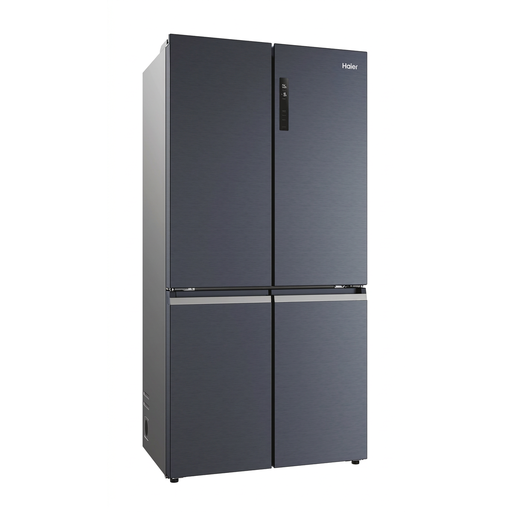 Image unavailable
Haier Cube 90 Series 5 HCR5919ENMB, 528 L, Black Steel
Consider its separate freezer spaces when several people need to organise labelled dough portions. The listing states a 174 L freezer, four freezer shelves or baskets and Total No Frost. Its stated dimensions are 908 × 648 × 1900 mm; check the access route and whether the intended containers fit the internal spaces.
View on Joybuy
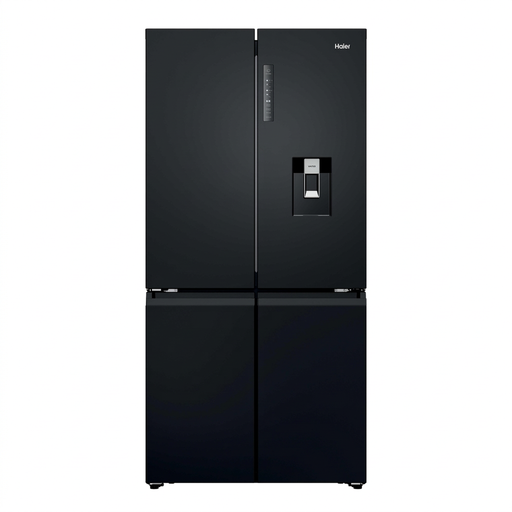 Image unavailable
Haier Cube 90 Series 3 HCR39F19EWPT(UK), 649 L, Black
Its stated freezer space is worth comparing if the kitchen stores substantial frozen stock alongside dough. The listing gives a 231 L freezer, four freezer drawers and dimensions of 908 × 748 × 1905 mm. Check drawer dimensions for the dough containers, the installation route and the exact model’s defrost system.
View on Joybuy
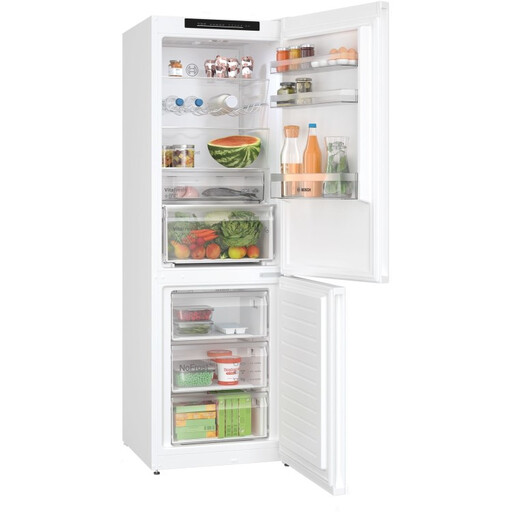 Image unavailable
Bosch Series 4 KGN362WDFG 60/40 NoFrost, White
This fridge-led layout is a choice to assess when chilled ingredients take more space than frozen dough. The listing states a 103 L freezer, three transparent drawers, NoFrost and SuperFreezing. At a stated 1860 × 600 × 665 mm, it still needs an access and installation check; confirm that the drawers hold the intended batch.
View on Joybuy
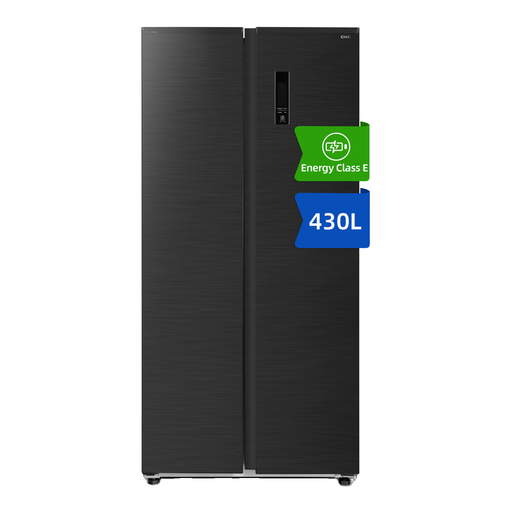 Image unavailable
CHiQ JKR433WGE 430 L No Frost, Black Steel
Compare this side-by-side layout if the kitchen needs frozen storage alongside chilled space. The listing states a 169 L freezer, No Frost and dimensions of 176.5 × 84.0 × 64.0 cm. Check how its internal storage can separate dough portions, and measure the 84 cm width against the access route.
View on Joybuy
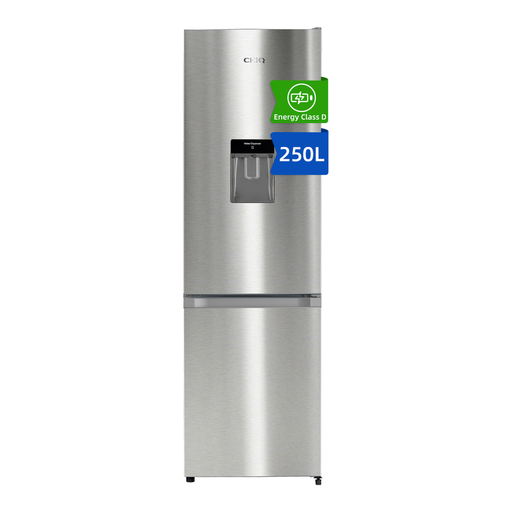 Image unavailable
CHiQ JKR250WDSSD 250 L Total No Frost, Stainless Steel
Its stated 54 cm width may suit a kitchen where appliance width is a constraint, provided the freezer holds the shared stock. The listing gives a 70 L freezer, three transparent drawers, Total No Frost and dimensions of 1810 × 540 × 576 mm. Check container fit and allow for other users’ frozen food when assessing that freezer capacity.
View on Joybuy
Questions about shared freezer use
What temperature should a food-business freezer maintain?
For a food-business kitchen, Coventry City Council’s freezer guidance says frozen food should be stored at -18°C or lower, with temperatures checked and recorded daily as part of the food-safety management system. Confirm the procedures appropriate to the premises with its local authority or food-safety adviser.
How should pizza dough be organised in a shared freezer?
Portion, cover or wrap, label and date the dough, then allocate defined spaces so people can identify and rotate their stock. GOV.UK food-business guidance advises labelling food when freezing it; separation also matters where raw and ready-to-eat foods share storage.
Does a shared food-business kitchen need separate freezer areas?
A food-business kitchen should organise storage around the foods it handles and the risk of cross-contamination. Food Standards Agency MyHACCP guidance calls for potential cross-contamination areas to be identified and addressed through layout; defined, labelled freezer zones can help the kitchen put that separation into practice.
Does sharing a kitchen mean it must be registered as a food business?
Sharing a private household kitchen does not, by itself, establish that it is a food business. If the operation is starting or taking over a food business, the Food Standards Agency says it must be registered with the local authority at least 28 days before trading or food operations begin; check the operation’s status with the local authority if dough is being sold or supplied commercially.


