Weekend pizza-dough batch makers
If you prepare several dough portions at once, look for freezer space that lets you separate and label them without crowding out your usual frozen food.


Choose a fridge-freezer by the space your dough portions need alongside everyday frozen food, rather than by total appliance capacity alone. A conventional fridge-freezer may suit occasional batches; if you freeze several portions regularly, compare the freezer compartment and drawer layout more closely. Check kitchen fit, the energy label and any freezing or frost-management features on the exact model before deciding.
If you prepare several dough portions at once, look for freezer space that lets you separate and label them without crowding out your usual frozen food.
If you freeze dough occasionally, a fridge-freezer must still fit your kitchen and leave enough fridge and freezer room for everyday groceries.
If dough shares the freezer with other food, frost-free operation may reduce manual defrosting work. Check usable storage space as well as the feature name.
Start with the frozen-compartment volume and the space your usual dough containers occupy. Then compare freezing features, appliance dimensions and the model-specific energy label.
| Concern | What to check | Who this matters to |
|---|---|---|
| Freezer space and organisation | Compare frozen-compartment volume, drawer layout and whether your dough containers fit alongside other food. | I freeze several portions at once and need to keep them separate without crushing them. Around 42% of consumers would put usable freezer space and organisation first. |
| Fresh batches and frost | Check the exact model for a fast-freeze setting and frost-free operation; consider independent freezing-speed tests when comparing models. | When I add fresh dough regularly, I want to assess freezing performance without assuming a frost-free label tells me how quickly food freezes. For around 33% of consumers, freezing and maintenance would be the primary concern. |
| Fit, energy and location | Measure the kitchen and access route; compare annual kWh on the energy label and check installation instructions if using an outbuilding. | My appliance must fit its intended space, and I need to assess its electricity use or permitted installation conditions. Roughly 25% of consumers would prioritise these practical constraints. |
Total litres include the fridge, so they do not tell you how much space is available for dough. A freezer drawer can also be awkward for the containers you normally use.
Compare the frozen-compartment volume and drawer layout, then check your container dimensions against the available space.
Frost-free describes how an appliance manages ice build-up; it does not, by itself, establish how quickly a fresh batch will freeze. Which? assesses freezing speed separately in its fridge-freezer testing.
If fresh batches are a frequent part of your routine, check the model's fast-freeze instructions and compare independent freezing results where available.
Beko UK and Hotpoint UK describe specific models whose freezer compartments can operate at ambient temperatures down to -15°C, while cautioning against use of their fridge compartments at low ambient temperatures.
Check the exact model's installation instructions for the intended location and for each compartment; do not extend a freezer-only claim to the whole appliance.
Extra freezer room is useful only if the appliance also fits your home and its running characteristics suit you. UK appliance energy-label information includes model-specific annual electricity consumption in kWh.
Compare annual kWh, frozen volume and external dimensions for the particular models you are considering, rather than relying on an energy-class letter alone.
These brands offer different fridge-freezer formats. Features and installation limits belong to individual models, not every appliance carrying the brand name.
Beko has conventional and larger American-style fridge-freezers worth comparing if freezer organisation, frost management or installation location matters to you.
Hotpoint is relevant if you are considering a conventional fridge-freezer with model-specific frost and fresh-freezing features.
Haier offers a multi-door option to examine if regular dough batches must share a freezer with other household food.
Bosch UK lists freestanding and integrated fridge-freezers in different capacities and configurations.
These Joybuy models include integrated and freestanding fridge-freezers in different sizes. Use their stated features to narrow your choices, then check freezer-drawer space against the dough portions and other food you intend to store.
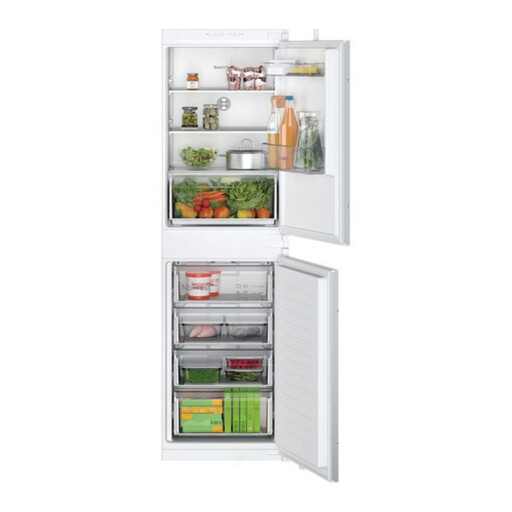 No image available
For a fitted kitchen, check that the sliding-hinge installation and freezer storage suit your cabinets and dough containers. The title lists a 177 cm appliance, 249 L total capacity, Frost Free operation and an E energy rating.
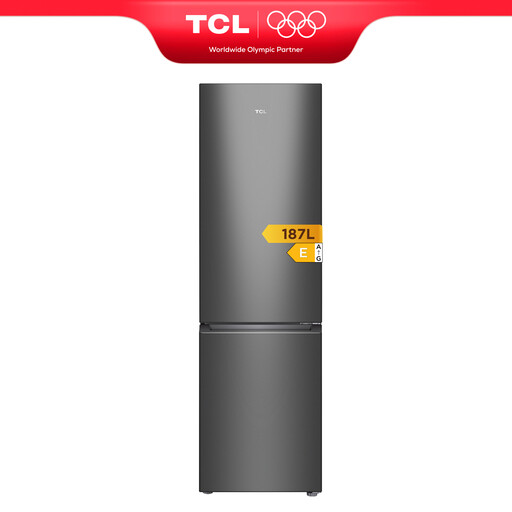 No image available
If kitchen width is a constraint, compare its stated 55 cm width with your available space, then check how much room the freezer offers for dough. The title lists a height of 183 cm, 282 L total capacity, graphite finish and an E energy rating.
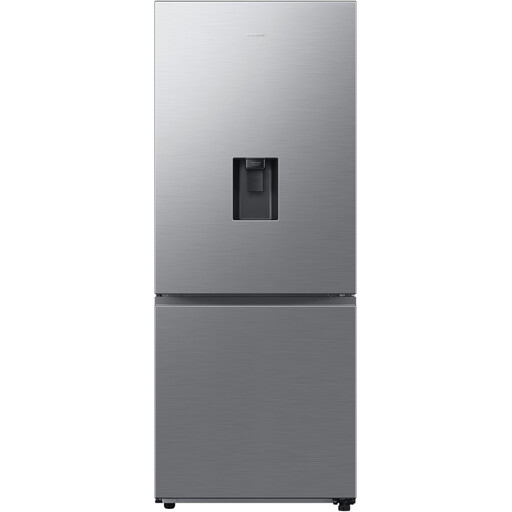 No image available
If you prepare larger batches, assess the freezer compartment and drawer shape separately from this model's total capacity. The title lists 505 L total capacity, a 75 cm width, silver finish and an E energy rating; check kitchen and delivery-route clearance.
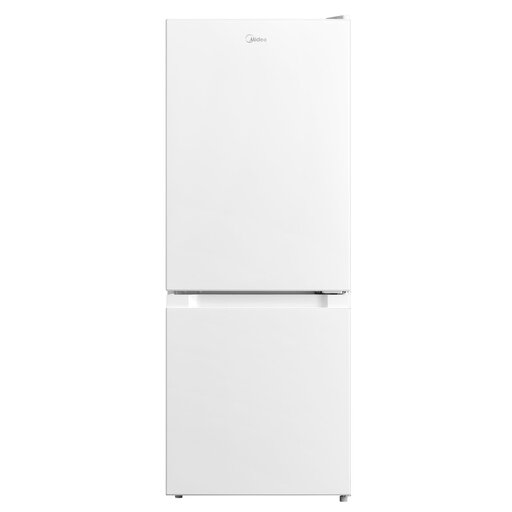 No image available
For occasional dough portions in a smaller appliance, check the freezer's usable space before relying on the compact format. The title lists a height of 123 cm, Low Frost operation, a white finish and an E energy rating; check the model's defrosting instructions.
 No image available
If dough batches share the freezer with substantial everyday storage, compare its freezer layout and available installation space before choosing a larger format. The title lists 635 L total capacity, a matte-black finish and a D energy rating; total capacity is not the freezer-compartment volume.
Yes, provided the dough is handled hygienically and stored appropriately. The Food Standards Agency advises that proper chilling, freezing and defrosting help limit harmful bacterial growth; follow the instructions for your dough and any perishable ingredients.
No: do not rely on freezing after a use-by date has passed. Food Standards Scotland describes use-by dates as safety dates and says some foods can be frozen up to that date; follow the instructions for the particular ingredient and recipe.
Keep the freezer door closed as much as possible. Food Standards Scotland says food may remain frozen for up to 48 hours in a full freezer or around 24 hours in a half-full one; the appliance and room temperature affect those estimates, so check the food's condition when power returns.
Compare annual consumption in kWh on the energy labels for the specific appliances you are considering. UK household refrigeration label information also includes chilled and frozen volumes, helping you assess electricity use alongside the freezer space you need rather than choosing by energy class alone.
No; check the exact model's permitted installation conditions. Beko UK and Hotpoint UK describe particular models with freezer-compartment operation down to -15°C ambient temperature, but caution that their fridge compartments are not recommended for low ambient temperatures.