Family batch cooks
If you make several meals’ worth of sauce at once, look for freezer drawers that hold your labelled portions without crowding them. Check frozen-compartment capacity separately from the appliance’s total capacity.


For regular family batches, choose a fridge-freezer by usable freezer-drawer space and kitchen fit rather than total capacity alone. A freestanding bottom-freezer model is worth considering if you have room for one; a fitted kitchen calls for an integrated model that matches its housing and door arrangement. Whichever you choose, check that your portion containers fit and cool the sauce promptly before freezing it.
If you make several meals’ worth of sauce at once, look for freezer drawers that hold your labelled portions without crowding them. Check frozen-compartment capacity separately from the appliance’s total capacity.
If you freeze a few portions at a time, external width and a practical drawer layout may matter more than maximum total capacity. Measure both the kitchen space and the containers you plan to use.
If the appliance sits behind a cabinet door, match the housing and door-fitting arrangement before comparing freezer space or additional features.
Start with the space your sauce portions will occupy, then check food-storage controls and whether the appliance can be installed where you need it. Compare energy information and maintenance features between models that meet those basic needs.
| Concern | What to check | Who this matters to |
|---|---|---|
| Usable freezer space | Compare frozen-compartment litres and drawer dimensions; check whether your meal-sized containers fit. | I make several portions together and need to separate and find them later. Around 29% of consumers put usable freezer space and organisation first. |
| Cooling and temperature | Plan for shallow portions and check how the model sets and indicates freezer temperature; use a thermometer if needed. | I want to cool cooked sauce promptly and keep the frozen portions at a suitable temperature. For around 29% of consumers, safe handling and temperature control come first. |
| Kitchen fit | Measure the appliance space and door swing; check ventilation and, for integrated models, housing and hinge compatibility. | My appliance must fit its kitchen space before its freezer features matter. Kitchen fit and installation are the main concern for around 24% of consumers. |
| Energy and upkeep | Compare energy labels for similar appliances, check declared noise and confirm whether the exact model is frost-free. | I expect to use the appliance every day and want to weigh electricity use, noise and defrosting work. Around 18% of consumers prioritise these ongoing considerations. |
Total litres combine fridge and freezer space, so a large headline figure does not tell you how many sauce containers the drawers will hold.
Compare the frozen-compartment volume and drawer measurements with the containers you intend to freeze.
Freezing does not undo the food-safety risk of leaving cooked food at room temperature for too long. GOV.UK and Food Standards Scotland advise getting cooked food into the fridge within one to two hours.
Divide sauce into smaller, shallow portions so it cools promptly. Refrigerate it within that period, then freeze it once cooled.
Frost-free operation reduces defrosting work; it does not replace prompt cooling or a suitable freezer temperature.
Follow the food-handling guidance for cooked sauce and keep the freezer around −18°C, as advised by GOV.UK.
An appliance still needs the clearances and ambient conditions specified for its exact model. A feature advertised for a freezer compartment does not necessarily make the fridge compartment suitable for an unheated garage.
Check the installation manual, ventilation space and socket location before ordering. Electrical Safety First advises using a nearby wall socket rather than an extension lead.
These model-specific examples show features worth checking against your kitchen and portion sizes; a brand name alone does not establish freezer usability.
The freestanding Bosch KGN392WDFG provides a reference point for comparing a tall bottom-freezer layout with family batch-storage needs.
The freestanding CFG4601V and CFG4686V are relevant if frost-free maintenance or an outbuilding location affects your choice.
The Samsung RB34C652DWW is a 341 L bottom-freezer model to compare if everyday chilled storage and freezer space both matter.
These fridge-freezers cover freestanding choices for portion freezing and one integrated choice for a fitted kitchen. Compare each model’s freezer layout with your containers and its installation requirements with your space.
 No image available
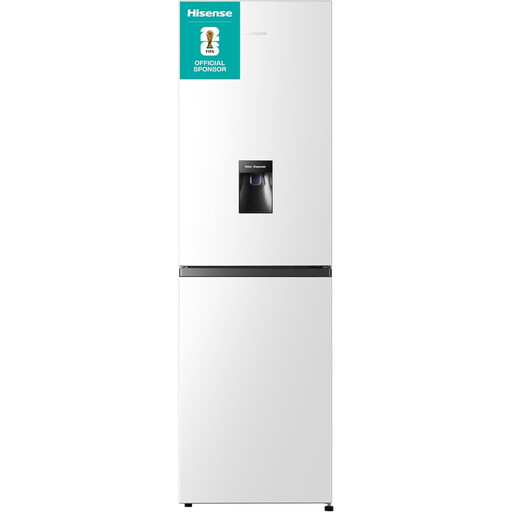
Consider this freestanding model if a 55 cm-wide appliance suits your kitchen and you need space for family portions.
It is 182 cm high and has an E energy rating. Check the freezer drawers against your containers and allow for the installation clearances.
 No image available
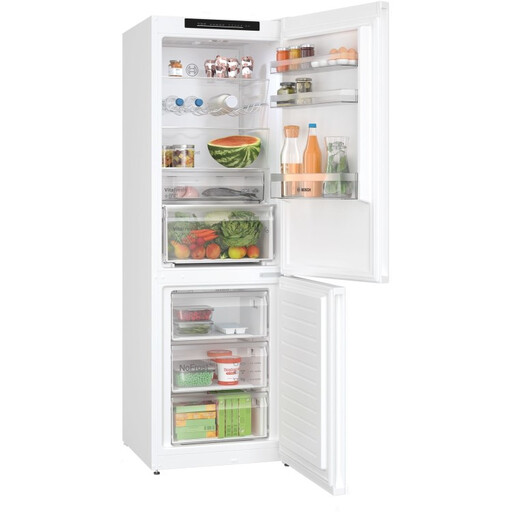
This freestanding model is an option for portion freezing where a 60 cm-wide appliance fits.
Its stated height is 186 cm and its energy rating is D. Check drawer dimensions, ventilation clearances and the model instructions before choosing it for a particular batch size.
 No image available
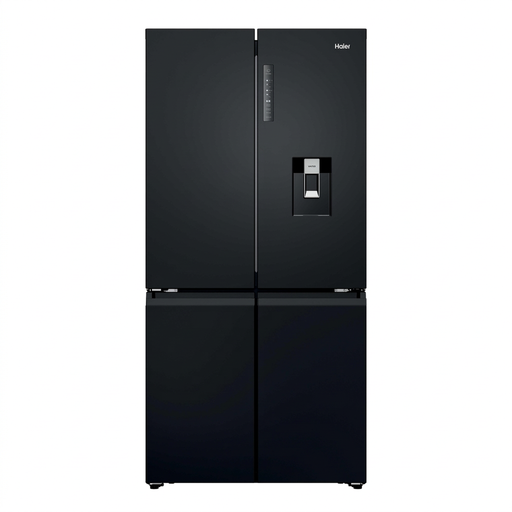
Consider this freestanding four-door model if your kitchen can accommodate a larger appliance for family food storage.
The product name states 649 L total capacity. Measure the installation space and delivery route, then check the freezer-drawer layout against your sauce containers rather than relying on total litres.
 No image available
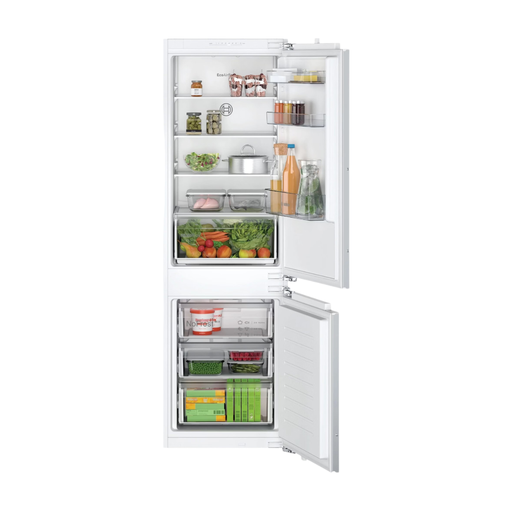
This is the fitted-kitchen option in the selection: check the housing and cabinet door arrangement before comparing freezer space.
The product name specifies a 177 cm fully integrated model with a fixed hinge and Total NoFrost. Confirm the supplied drawer layout and your containers’ fit before ordering.
 No image available
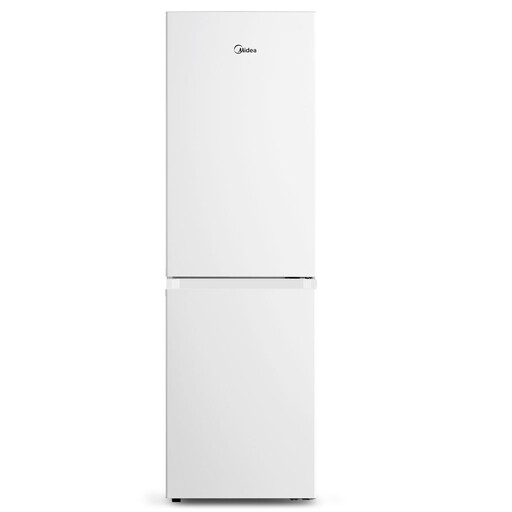
This freestanding model is worth considering when a narrower appliance must still hold several meal-sized portions.
Its product name specifies a 55 cm width. Check the current energy label, freezer-drawer dimensions and required clearances for the exact appliance before deciding whether it fits your needs.
Divide cooked sauce into smaller portions so it cools more quickly, and refrigerate it within one to two hours rather than leaving it on the worktop until fully cold. GOV.UK and Food Standards Scotland give that time guidance for cooked food; freeze the portions once cooled.
For home storage, GOV.UK advises keeping the fridge between 0°C and 5°C and the freezer around −18°C. Check the appliance’s temperature controls and use a thermometer to check the storage temperature when needed.
Only choose a garage location if the exact appliance’s instructions allow the ambient conditions there. Beko says the FreezerGuard feature on certain models permits freezer-compartment operation down to −15°C, but it does not recommend using the fridge compartment at low ambient temperatures. Electrical Safety First also advises using a nearby wall socket rather than an extension lead.
Check collection or recycling arrangements before the replacement arrives. UK waste-electrical-equipment arrangements cover fridge-freezers, while the collection options available to you depend on your retailer and local council.