Solo batch-stock cook
You make vegetable stock in batches and want labelled, single-meal portions to fit alongside your other frozen food.


For one person freezing vegetable stock in portions, choose by usable freezer space and whether your containers fit the drawers, not by total appliance capacity alone. Balance that storage against the space available in your kitchen, and compare the exact model’s defrost system and energy information. Cool and portion cooked stock promptly before freezing it; appliance features do not replace safe food handling.
You make vegetable stock in batches and want labelled, single-meal portions to fit alongside your other frozen food.
You need an appliance that fits a compact kitchen without reducing frozen-food storage to a small ice box.
You use the freezer regularly and want to compare Frost Free or NoFrost models with options that may need manual defrosting.
Start with the space the appliance must fit and the freezer space your portions need. Then compare the defrost system and energy information on models that meet both requirements.
| Concern | What to check | Who this matters to |
|---|---|---|
| Freezer space and organisation | Compare frozen-compartment litres rather than total capacity, and check the drawer layout against your usual containers. | I want several labelled portions to fit without displacing everyday frozen food. Around 29% of consumers would put usable freezer space and organisation first. |
| Cooling and temperature control | Check how freezer temperature is adjusted and whether the model has separate controls or a display. The Food Standards Agency advises a fridge temperature of 0–5°C and a freezer around −18°C. | When I freeze a batch, I need to cool and portion it promptly and keep the appliance at suitable temperatures. For around 24% of consumers, safe handling and temperature control would be the main concern. |
| Kitchen fit and installation | Measure the appliance space, delivery route, door-opening space and required ventilation; for an integrated model, check the cabinet and door-fixing system. | My kitchen has limited room, so an appliance that cannot be installed or opened properly will not work for me. Kitchen fit would come first for around 29% of consumers. |
| Energy information and defrosting | Compare the exact models’ energy labels and annual consumption, then check whether each uses Frost Free, NoFrost, Low Frost or a static system. | I would rather compare ongoing energy use and the work involved in defrosting before choosing a model. Around 18% of consumers would make those considerations their priority. |
Total litres include the fridge, so the headline figure does not tell you how much room your stock will have in the freezer.
Compare frozen-compartment capacity and drawer layout. Measure your preferred containers against internal drawer dimensions where these are available.
A freezer feature cannot make up for delays in cooling cooked food. The Food Standards Agency advises dividing food into smaller portions to cool quickly and putting it into refrigeration within one to two hours.
Portion stock into suitable containers or freezer bags, cool it promptly, label it and freeze it once cooled.
Low-ambient operation depends on the exact model. Beko’s FreezerGuard description applies to specified freezer compartments and does not establish that the fridge compartment is suitable for the same conditions.
For a garage or unheated utility room, check the manufacturer’s ambient-temperature instructions for both compartments before ordering.
An energy class alone does not show whether two appliances have the same annual consumption or provide the freezer space you need.
Read each model’s energy label and product information sheet, then compare annual consumption among appliances that fit your kitchen and storage needs.
Bosch UK lists freestanding and integrated fridge-freezers in several fridge-to-freezer splits, including Total NoFrost models.
Indesit UK lists compact freestanding Low Frost fridge-freezers, including the 60/40 IB55 532 W UK.
Beko UK lists freestanding and integrated Frost Free fridge-freezers.
Liebherr lists freestanding and integrated NoFrost fridge-freezers, with storage features that vary by model.
These integrated and freestanding models offer different ways to fit a fridge-freezer into a one-person kitchen. Compare their exact freezer compartments and installation requirements against the space and containers you use.
 No image available
Consider this model if your fitted kitchen has a compatible housing and you want a separate freezer for portioned stock. Its title specifies a fixed hinge, a 50/50 split, 249 L total capacity and energy class E; check cabinet dimensions, clearances and usable freezer-drawer space before buying.
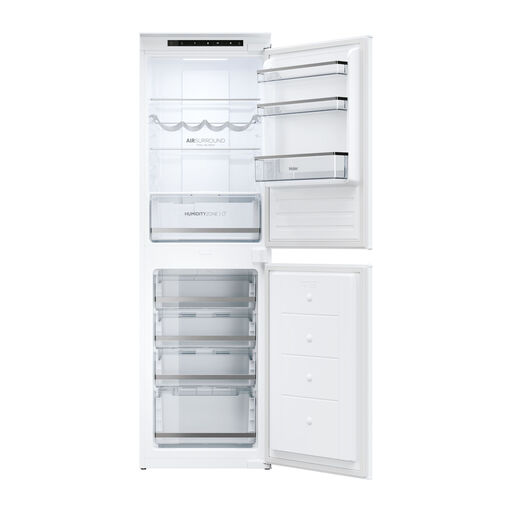 No image available
This fitted-kitchen option is worth considering if you freeze stock regularly and prefer a Total No Frost model. The title specifies energy class E; confirm the cabinet aperture, door-fixing arrangement and freezer-drawer dimensions for your kitchen and containers.
 No image available
Consider this 50/50 model if you have compatible fitted-kitchen cabinetry and need to assess freezer space for several stock portions. Its title specifies a static fridge-freezer and energy class E; check the fitting guide, drawer dimensions and defrosting instructions if upkeep matters to you.
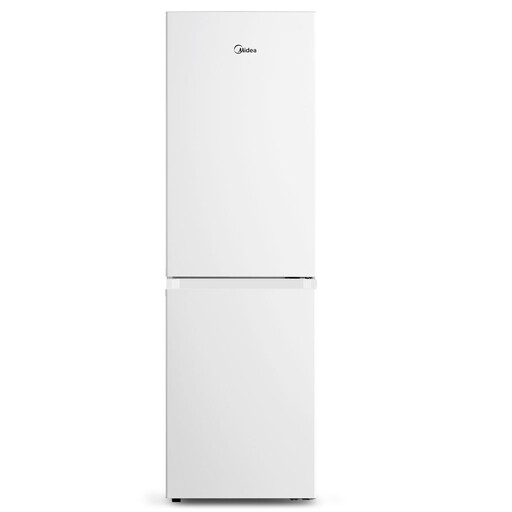 No image available
This 55 cm-wide option may suit a kitchen without integrated cabinetry if you want Total No Frost for regular freezer use. Confirm its exact capacity and energy class against the model’s energy label and product information sheet before comparing it with other appliances; the stated figures differ between its title and description.
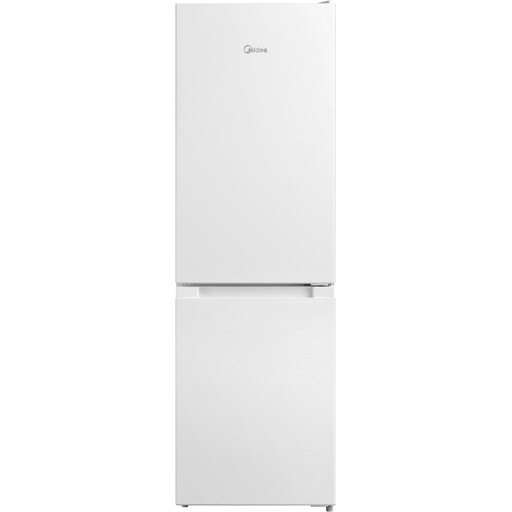 No image available
Consider this narrower model if kitchen width is tight and you freeze modest stock portions. Its title states 173 L total capacity and energy class E; check the frozen-compartment space against your containers and confirm the defrosting routine.
Divide cooked stock into smaller portions and cool it promptly before freezing. The Food Standards Agency advises putting cooked food into refrigeration within one to two hours and cooling warm dishes before they go into the freezer; freeze homemade leftovers as soon as possible once cooled.
The Food Standards Agency advises keeping the fridge between 0 and 5°C and the freezer around −18°C. Follow your appliance manual when adjusting its settings and use a fridge thermometer to check the chilled compartment.
No. Cool and portion stock appropriately before it enters the freezer, as advised by the Food Standards Agency. A model’s fast-freezing function does not replace that food-handling step.
Compare the exact models’ energy labels and product information sheets, including annual consumption, after checking that they meet your storage and fit requirements. UK government energy-labelling guidance covers display of the label at the point of sale, including on a website, for products within its scope.
Consider Frost Free or NoFrost if avoiding manual freezer defrosting matters to you, particularly when you access your stored portions often. Beko and Liebherr describe this convenience for their applicable models; compare the exact appliance’s freezer space, dimensions and energy information before deciding.