Small-kitchen yoghurt buyers
You want to keep worktops clear while leaving enough fridge shelf space for yoghurt and other chilled groceries.


Choose a fridge-freezer by its installed fit and usable fridge space, not its quoted width alone. A narrow freestanding model keeps worktops clear if there is a suitable floor position; an integrated model makes sense only with a compatible cabinet. For fresh yoghurt, check the fridge’s actual temperature as well as the pack instructions—No Frost is a freezer-maintenance feature, not a substitute for chilled-storage checks.
You want to keep worktops clear while leaving enough fridge shelf space for yoghurt and other chilled groceries.
You need a fridge-freezer for a compact space and would prefer to reduce freezer ice build-up and manual defrosting.
You are replacing an appliance behind a cabinet door and need the new model to suit the existing cabinet, hinge and installation arrangement.
Start with the available floor or cabinet space, including room to open the door and ventilate the appliance. Then compare fridge-compartment storage, temperature controls and the amount of freezer maintenance you are willing to do.
| Concern | What to check when buying | Who this matters to |
|---|---|---|
| Fit and chilled space | Measure height, width and depth, door-opening space and the exact model’s ventilation clearances. Compare fridge-compartment capacity and shelf layout, not just total litres. | If yoghurt tubs must share a small kitchen fridge with everyday groceries, I need both accessible shelves and an appliance that fits its position; around 46% of consumers put fit and usable chilled space first. |
| Yoghurt temperature | Look for accessible fridge controls, then check the installed fridge with a thermometer and follow the yoghurt pack’s storage instructions. UK Food Standards Agency consumer guidance recommends 0–5°C. | When storing fresh yoghurt regularly, I want to know the cabinet is at the right temperature rather than judging it by the dial; roughly 36% of consumers prioritise chilled-temperature checks. |
| Freezer upkeep | Compare freezer capacity and whether the exact model specifies Low Frost, Frost Free or No Frost; these are not interchangeable descriptions. | If I use the freezer but want less defrosting work, its maintenance arrangement matters alongside fridge space; about 18% of consumers place freezer upkeep first. |
A narrow fridge-freezer can still obstruct a doorway or lack room for its door to open and air to circulate.
Measure the delivery route and full installation position, then use the exact model’s instructions for clearances. Which? notes that freestanding models may need space at the sides and top.
A dial position does not tell you the temperature around stored yoghurt.
Follow the pack instructions and use a fridge thermometer to check against the Food Standards Agency’s 0–5°C consumer guidance.
Beko’s FreezerGuard statements concern the freezer compartment; Beko does not recommend using the fridge compartment at low ambient temperatures.
If the appliance will stand in an unheated space, check the exact model’s permitted conditions for its fridge compartment before relying on it for yoghurt.
A built-in fridge-freezer must also suit the cabinet opening, ventilation arrangement and furniture-door hinge system.
Compare the cabinet and door with the exact model’s installation instructions before ordering.
A mismatch may mean additional cabinet, door-hinge or installation work.
Beko lists narrow freestanding fridge-freezers as well as models intended for integrated installation.
Bosch’s KGN27NWFAG is a tall, narrow freestanding option for comparing fridge space with the available floor position.
TCL’s RF225BID0 offers a compact freestanding format where appliance width is particularly restrictive.
These fridge-freezers cover narrow freestanding positions and a built-in option for a compatible cabinet. Compare the space available for yoghurt in the fridge compartment separately from the appliance’s overall capacity.
 No image available
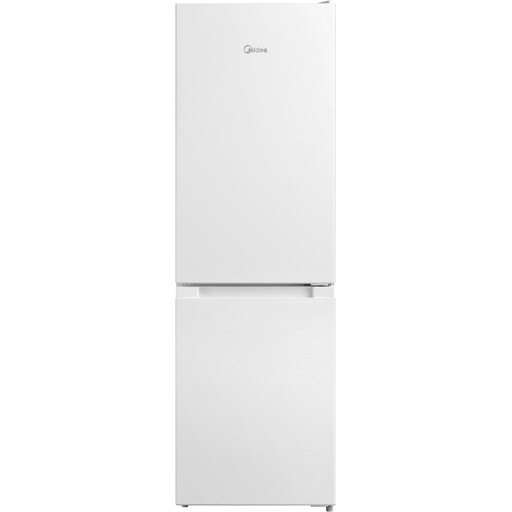
Consider this model for a 50cm-wide freestanding position where you want to keep worktops clear.
The listed total capacity is 173L; the white model is E-rated.
Check door access, ventilation clearance and fridge shelf space for the yoghurt containers you buy.
 No image available
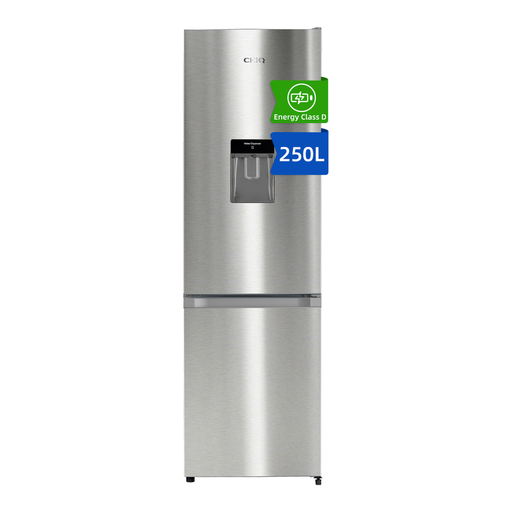
Consider this freestanding model if a 54cm width fits and reducing freezer-defrost work matters to you.
It is listed as 181cm tall with 250L total capacity and a D rating.
Allow for its full installed height, door access and the clearances required by its instructions.
 No image available
Consider this freestanding model where the available width is especially tight.
It is listed as 144cm tall, with 157L total capacity and an E rating. Its freezer is described as Low Frost, not No Frost.
Check the installed depth, door-opening space and fridge shelf layout before choosing it for yoghurt storage.
 No image available
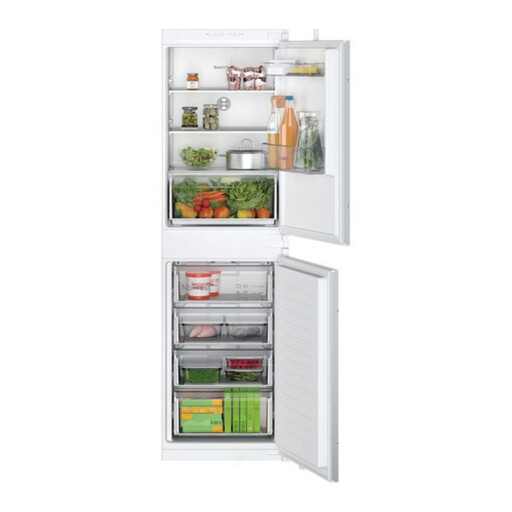
Consider this built-in model only for a cabinet and furniture door that suit its sliding-hinge installation.
The listed model is 177cm tall, Frost Free and E-rated, with 249L total capacity.
Confirm the cabinet opening, hinge arrangement and ventilation requirements in its installation instructions.
 No image available
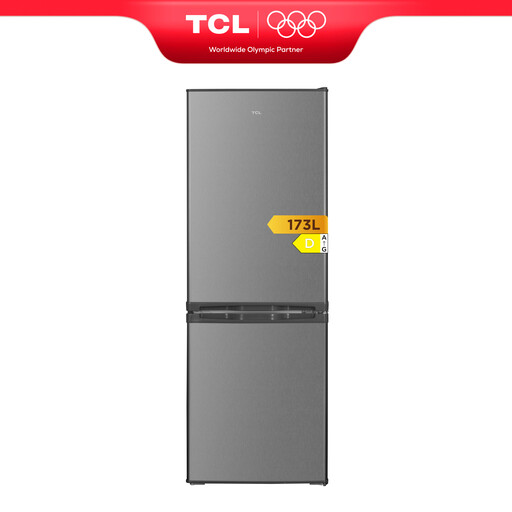
Consider this compact model if a 50cm-wide freestanding appliance suits your floor position.
Joybuy lists it as 143cm tall, with 173L total capacity, including 121L net cooling capacity; the graphite model is D-rated.
Check its depth, door access and shelf layout, then measure the installed fridge temperature with a thermometer before relying on it for yoghurt.
Keep yoghurt refrigerated according to its pack instructions. UK Food Standards Agency consumer guidance recommends setting the fridge between 0 and 5°C and checking its temperature with a fridge thermometer.
No: width is only one part of the fit. Measure height, depth, the delivery route and door-opening space, then follow the exact model’s ventilation requirements. Which? notes that freestanding appliances may need additional space at the sides and top.
No: choose Frost Free or No Frost if reducing freezer-defrost work matters to you. For yoghurt in the fridge compartment, follow the pack instructions and check the fridge’s actual temperature instead.
Only consider it if the exact model’s instructions permit the intended ambient conditions for the fridge compartment. Beko says its FreezerGuard low-ambient claims apply to the freezer compartment and does not recommend using the fridge compartment at low ambient temperatures; that distinction matters when storing fresh yoghurt.