Compact-kitchen freezer users
You need a fridge-freezer that fits a narrow floor gap or defined kitchen opening while leaving useful freezer space for bread rolls.


Start by measuring the floor gap or cabinet opening: limited worktop space alone does not tell you which freestanding fridge-freezer will fit. If you freeze bread rolls regularly, check the freezer allocation and usable drawer space before treating No Frost as a deciding feature; you will also need room for ventilation and for the doors to open.
You need a fridge-freezer that fits a narrow floor gap or defined kitchen opening while leaving useful freezer space for bread rolls.
You freeze bread rolls alongside other groceries often enough that the freezer allocation and drawer layout matter more than maximising fridge space.
You want to consider frost control without overlooking the exact model’s dimensions, energy label and installation requirements.
Check physical fit first, then the space available for frozen food. Compare frost-control features and energy labels between models that meet those needs.
| Concern | Buying checks | Who this matters to |
|---|---|---|
| Physical fit | Measure height, width and depth; check the exact model’s ventilation requirements and door-opening space. | If cabinets or walls restrict where my fridge-freezer can stand, I need to keep the doors and drawers accessible. Around 50% of consumers put physical fit first. |
| Freezer space | Compare the fridge/freezer split, frozen-compartment volume and usable drawer layout. | When I freeze bread rolls alongside other groceries, I need room to store and retrieve the bags without relying on total appliance capacity alone. For around 30% of consumers, usable freezer space is the primary concern. |
| Upkeep and energy | Check the exact model’s frost-control description and UK energy label. | If I want less manual defrosting, I still need to compare the energy information for the models that fit my kitchen. Roughly 20% of consumers place upkeep and energy information first. |
A freestanding fridge-freezer occupies floor space, and a narrow-looking model can still project into the kitchen or leave too little room to open its doors.
Measure the intended position and compare it with the exact model’s dimensions, ventilation instructions and door swing.
A 70/30 layout gives more space to the fridge section, while a 50/50 layout has equal-height doors. Neither description tells you whether a particular drawer will hold your bread-roll bags.
Compare frozen-compartment volume and drawer layout on the models you are considering.
Frost control addresses ice build-up and defrosting effort, not whether the freezer is large enough or the appliance fits its position.
Confirm fit and freezer allocation before using No Frost as a further selection criterion.
Bosch marks the KGN39VLEAG as no longer available, although its specifications remain useful for understanding appliance dimensions.
Check the identity, dimensions and availability of the exact model you intend to buy rather than assuming a replacement has the same specifications.
Beko describes its narrow fridge-freezer range as 54.5cm wide and intended for smaller kitchens.
Hotpoint’s HPKH 1261W W4UK illustrates a narrow freestanding 50/50 No Frost option.
The Bosch KGN39VLEAG provides a specification reference for a taller, 60cm-wide freestanding fridge-freezer.
These freestanding choices include narrow models for restricted floor space and wider models to consider if your opening permits them. Compare the exact installation requirements and freezer storage with the space you have available.
 No image available
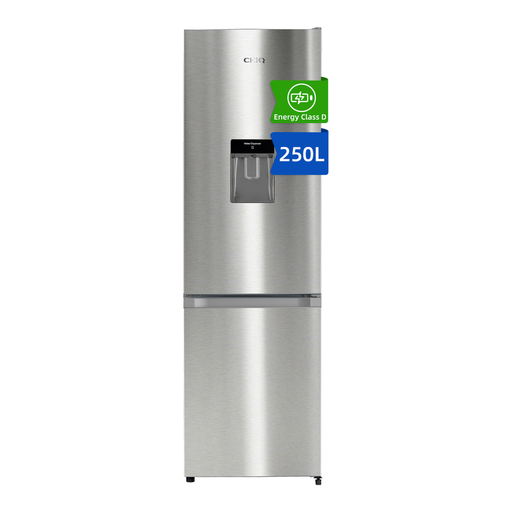
Consider this freestanding model if a narrower width and reduced manual defrosting are both priorities.
The product name states a 54cm width, 181cm height and energy class D. Check installation clearances, door opening and usable freezer-drawer dimensions before deciding whether it will hold your bread-roll bags.
 No image available
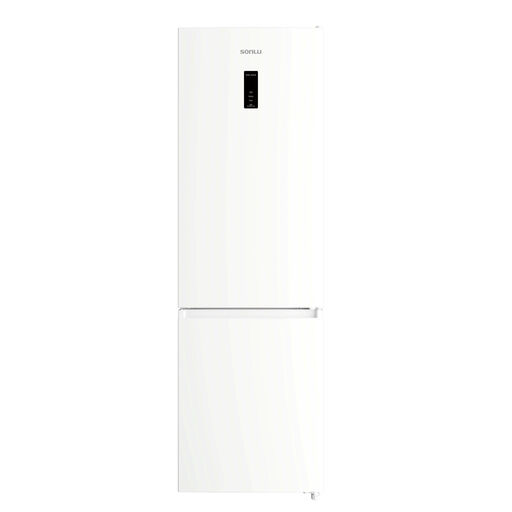
Consider this model if your floor opening accommodates a 60cm-wide appliance and freezer volume matters to you.
The product name states 252L of fridge space, 103L of freezer space, a reversible door and energy class E. Check the height, depth, installation clearances and freezer-drawer layout against your space and storage needs.
 No image available
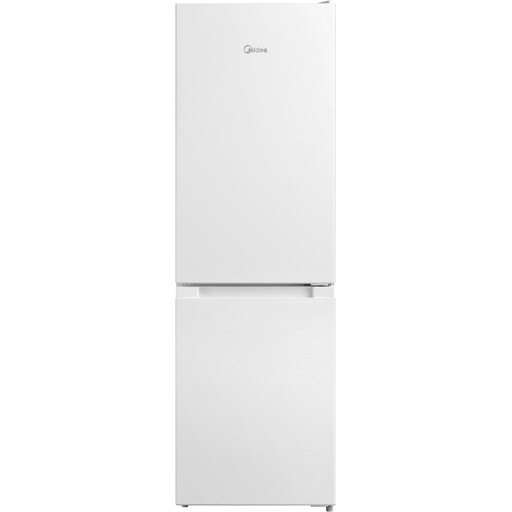
Consider this freestanding model where a 50cm width is more suitable than a wider format.
The product name states a 173L total capacity and energy class E. Compare the exact freezer allocation and usable drawer dimensions with the amount of bread you freeze, and check the installation guidance before buying.
 No image available
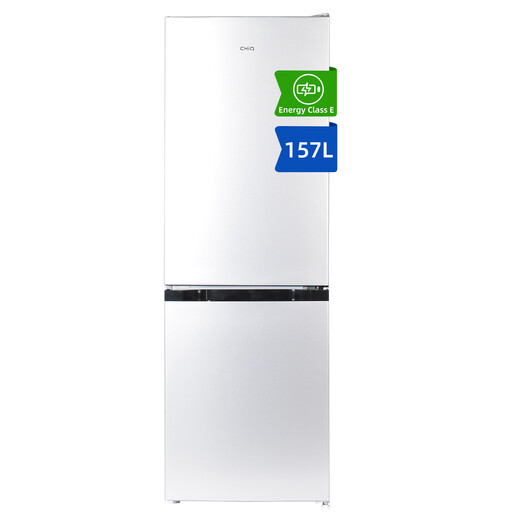
Consider this freestanding model if the available floor gap is particularly narrow, provided its freezer storage meets your needs.
The product name states a 47cm width, 144cm height and energy class E. Low Frost is not a stated No Frost system; check its defrosting instructions, usable drawer dimensions and installation clearances.
 No image available
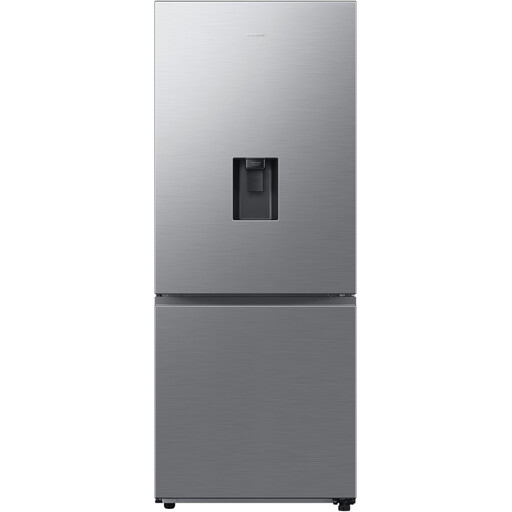
Consider this larger-capacity model only if you have room for a substantially wider freestanding appliance.
The product name states a 75cm width, 505L total capacity and energy class E. Check the exact external dimensions, required clearances and freezer-drawer layout before judging whether it suits your kitchen and bread-roll storage.
Not necessarily: a freestanding fridge-freezer uses floor space rather than worktop space. Measure its intended position, then check the exact model’s height, width, depth, ventilation requirements and door-opening room before choosing a slimline format.
A 50/50 split is worth considering if freezer storage is a main priority; It has equal-height fridge and freezer doors, whereas a 70/30 layout prioritises fridge space. Check the frozen-compartment volume and drawer layout either way, particularly if you freeze bread alongside other groceries.
No Frost may suit you if reducing frost build-up and manual defrosting matters. Hotpoint and Beko describe frost-control systems on specified models, but the feature does not establish that a freezer has enough drawer room or fits your kitchen.
Yes: compare the exact models’ UK energy labels alongside their dimensions and freezer storage, rather than assuming appliances from one brand have similar energy use. GOV.UK provides guidance on energy information for household refrigerating appliances.
Follow the pack’s storage and freezing instructions, including any date that applies to that product. The Food Standards Agency’s guidance says pre-packed food can be frozen up to its use-by date and consumed within 24 hours after defrosting; not every pack of bread rolls carries a use-by date.