
24/7 Customer Support

Free returns

Same-day & Next-day Delivery

Quality Guaranteed

Unlock Your Welcome Offers: FREE Delivery | Up to 80% OFF | Free 30-day JoyPlus trial
Download the APP
Choosing a fridge freezer is rarely just about capacity or appearance. A model may fit your budget but fail to fit through the doorway, open properly beside a wall or provide enough freezer space for your household. The right choice depends on dimensions, storage layout, cooling technology, energy use and installation requirements.
By Joybuy Product Recommendation Officer, this guide filters out common marketing distractions and focuses on the specifications that matter in a UK home.
A tall appliance is not automatically spacious inside. Insulation, compressor placement, drawer design and shelf layout all affect usable capacity. Compare the net fridge and freezer capacities, rather than relying only on claims such as “family-sized” or “room for a certain number of bags”.
A 400-litre French door fridge freezer may suit a large household, but only if you have sufficient clearance for its height, door swing and ventilation.
Frost-free, Total No Frost and No Frost fridge freezers circulate air to reduce or prevent ice accumulation, usually removing the need for routine manual defrosting. Low Frost models reduce ice build-up but may still require occasional defrosting.
Low Frost can be a sensible choice where purchase cost and compact dimensions matter. However, buyers wanting minimal maintenance should specifically look for Total No Frost.
Features such as Wi-Fi, fast freezing, water dispensers and convertible compartments can be useful, but they do not automatically make a fridge freezer energy-efficient. Check the UK energy label from A to G, annual energy consumption in kWh and the appliance’s capacity.
For example, two E-rated models can have different annual consumption figures because of their size and design. The energy label is more useful for comparing similar-capacity products than the letter alone.
Record the available height, width and depth, then measure doorways, staircases, lifts and kitchen turns. Do not measure only the appliance gap.
Allow room for:
A slimline fridge freezer may be 47–54cm wide, while American fridge freezers and four-door fridge freezers commonly require considerably more width. A French door configuration can provide broad internal shelves, but its doors still need adequate clearance.
A 70/30 integrated fridge freezer generally prioritises fresh food, while a 50/50 layout provides a more balanced split. Families who batch-cook or buy frozen food may prefer a larger freezer section with drawers. Home cooks who buy fresh produce frequently may benefit from a tall larder fridge, either alongside a separate freezer or as an additional appliance.
Check whether the freezer uses drawers, shelves or door compartments. Transparent drawers can make stock easier to see, while wide compartments may accommodate large containers and pizza boxes.
Total No Frost is convenient, but fan-assisted cooling may create more audible operation than a basic static appliance. Noise is measured in decibels, so a stated figure of 35–37dB may be more suitable for an open-plan kitchen than a model rated around 40dB or above.
Also check whether the door is reversible. This is particularly useful for freestanding fridge freezers in narrow kitchens, rented properties and utility rooms. Integrated fridge freezers need compatible cabinet dimensions and hinge systems, so installation should be planned before ordering.
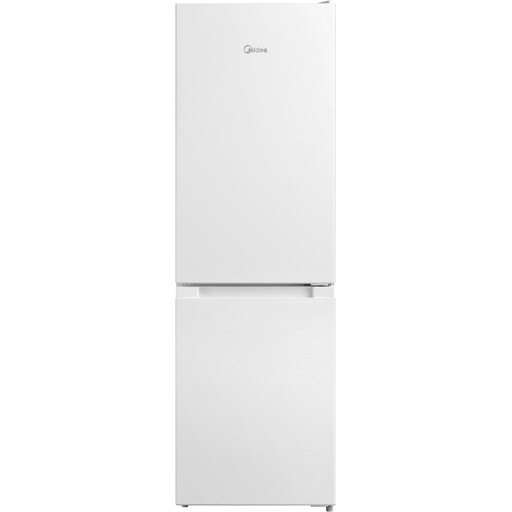
Why This Fits Their Persona: Its 50cm width and 173-litre capacity suit students, couples, smaller kitchens and rental properties where space is limited.
The stated dimensions make space planning clearer, while its Low Frost system is more specific than a vague frost-free description.
121-litre fridge, 52-litre freezer, reversible door and transparent freezer drawers.
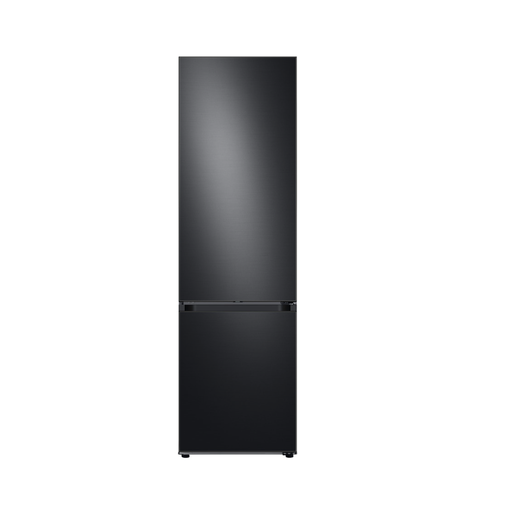
Why This Fits Their Persona: This freestanding model combines 387-litre storage with Wi-Fi connectivity, separate cooling systems and a stated B energy rating.
The capacity, energy class and dimensions are stated alongside the smart features, making it easier to compare function with running-cost information.
273-litre fridge, 114-litre freezer, Total No Frost and SmartThings connectivity.
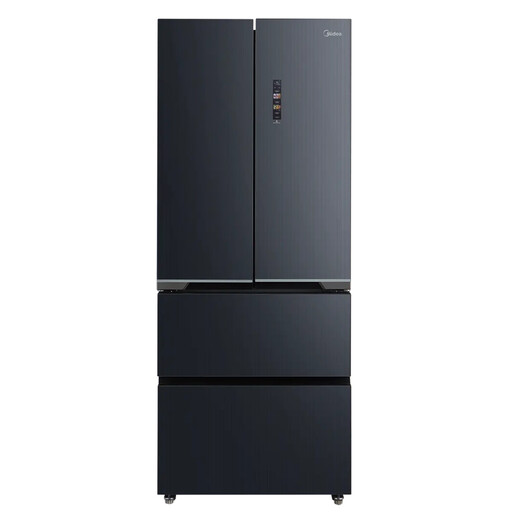
Why This Fits Their Persona: Its 435-litre capacity and French door layout suit families, meal-prep households and people storing large containers or platters.
Its 600mm depth and 753mm width are clearly listed, helping avoid the assumption that every American-style appliance needs a 90cm-wide space.
276-litre fridge, 159-litre freezer, Total No Frost and a stated 35dB noise level.
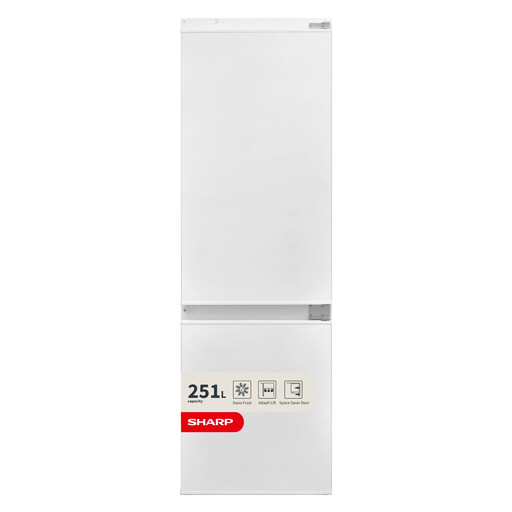
Why This Fits Their Persona: Designed for a cabinet-fronted kitchen, it suits homeowners, landlords and renovation projects requiring a coordinated finish.
The 1776 x 540 x 545mm dimensions and sliding hinge system help buyers check cabinet compatibility before installation.
181-litre fridge, 70-litre freezer, NanoFrost cooling and reversible door design.
We have compiled a complete, real-time list of products that fully satisfy these strict selection criteria and UK safety regulations.
They can be worthwhile if you want to reduce manual defrosting and maintain more usable freezer space. Check the exact wording: Total No Frost generally covers both compartments, while Low Frost reduces ice accumulation without removing maintenance completely.
Follow the individual installation manual because clearance varies by model. Measure the rear, sides and top, and ensure doors and drawers can open fully. Built-in models also need compatible cabinet measurements and hinge arrangements.
Running cost depends on the appliance’s annual kWh figure, electricity tariff, size, room temperature and usage. Use the energy label to compare annual consumption, keep door seals clean, avoid placing the appliance beside a heat source and allow hot food to cool before storage.