For cooked vegetables you usually eat within 48 hours, favour usable fridge shelves that fit covered portions; if you regularly freeze batches, give freezer space more weight. The Food Standards Agency advises keeping a fridge between 0°C and 5°C, a freezer around −18°C, and freezing leftovers you will not eat within 48 hours. Check container clearance, kitchen fit and the exact model’s energy information before choosing.
Who needs which storage?
Frequent leftover cooks
If you refrigerate cooked vegetables and prepared meals for near-term use, look for shelves that accommodate covered containers without crowding the fridge. Food Standards Scotland advises leaving room for air to circulate rather than overfilling it.
Batch-cooking households
If you prepare more portions than you can eat within 48 hours, freezer space and drawers that fit your containers matter alongside fridge capacity. The Food Standards Agency advises freezing leftovers when they will not be eaten within that period.
Households with limited kitchen space
If the appliance must fit a particular opening, compare its dimensions, door clearance and usable compartment layout before settling on a fridge-to-freezer split. Check the exact model’s energy information alongside its size.
What to check before buying
Decide whether most cooked portions will be chilled or frozen, then check that the shelves or drawers fit your containers. A 60/40 or 70/30 split gives more of a standard appliance’s space to the fridge, while a 50/50 split leaves a larger share for freezing; the actual interior layout matters more than the split alone.
| Concern |
What to check |
Who this matters to |
| Safe short-term chilling |
Plan to check the fridge with a thermometer against the Food Standards Agency’s 0°C to 5°C guidance, and leave room for air circulation. |
If I keep cooked vegetables for meals over the next day or two, I need reliable chilled storage rather than a fridge packed too tightly to circulate air. Around 36% of consumers put safe short-term chilling first. |
| Space for covered containers |
Measure your usual containers and check shelf spacing, adjustment and door-opening clearance on the exact model. |
Several smaller portions need accessible shelf space, not just an impressive total capacity figure. Container organisation is the primary concern for around 29% of consumers. |
| Room to freeze portions |
Compare usable freezer drawers and check whether your portion containers fit; the Food Standards Agency advises a freezer temperature around −18°C. |
When I batch-cook more vegetables than I will eat within 48 hours, I need somewhere practical to freeze portions. For around 21% of consumers, freezing space takes priority. |
| Kitchen fit and upkeep |
Check appliance and delivery-route dimensions, installation requirements and the exact model’s energy label. Compare any defrost features separately. |
A tight kitchen opening makes dimensions and door movement decisive, while energy information and maintenance still matter over time. Around 14% of consumers put fit and upkeep first. |
Buying pitfalls
-
Choosing by total litres alone
A quoted capacity does not show whether shallow dishes fit between shelves or whether drawers can open fully in the planned position.
Measure the containers you use, inspect the interior layout and check door clearance before choosing the fridge-to-freezer split.
-
Leaving cooked vegetables in the fridge for too long
Cold storage does not make leftovers suitable for indefinite refrigeration. The Food Standards Agency advises eating leftovers within 48 hours or freezing them if that will not be possible.
Date portions and make sure the freezer has space for food you will not use within two days.
-
Treating the control dial as a temperature reading
Food Standards Scotland notes that a built-in dial or gauge does not necessarily show the temperature in degrees Celsius.
Use a fridge thermometer to check the compartment against the 0°C to 5°C guidance, and aim for around −18°C in the freezer.
-
Assuming old-appliance collection is arranged
Replacing a fridge-freezer also means planning what happens to the old appliance; collection arrangements need to be confirmed with the retailer.
Check collection eligibility, timing, access requirements and whether the old appliance must be disconnected before collection.
Brands to consider
Bosch
Bosch offers freestanding and integrated fridge-freezers with layouts including 50/50, 60/40 and 70/30, giving shoppers different balances of chilled and frozen space.
- Bosch describes its 60/40 and 70/30 layouts as suited to households buying more fresh food.
- Check shelf clearances, dimensions and energy information for the exact model rather than assuming every layout offers the same usable space.
Beko
Beko’s range includes freestanding and integrated fridge-freezers, with models described by the brand as having Total No Frost or larger salad crispers.
- The range offers different installation formats and storage layouts to inspect.
- A larger salad crisper is not a substitute for checking shelf space for covered cooked-food containers.
Samsung
Samsung’s refrigerator range includes standard-width fridge-freezers and wider multi-door options for households considering more combined storage.
- Samsung describes Total No Frost as a feature on some models.
- For wider appliances, check kitchen and delivery-route dimensions as well as the exact model’s energy information.
Joybuy fridge-freezers
These freestanding choices span fridge-led layouts and larger appliances with room for chilled food and frozen portions. Compare their actual interiors with your containers before deciding which balance suits your routine.
 No image available
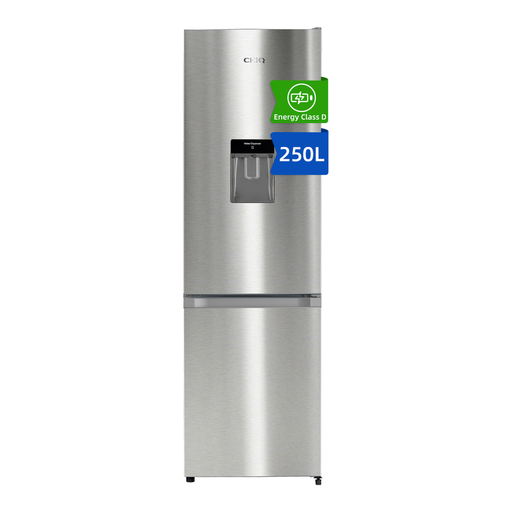
CHiQ JKR250WDSSD 250 L fridge-freezer with water dispenser
Consider this freestanding model if you need both chilled leftover storage and space to freeze portions; check that your containers fit its shelves and drawers.
54 cm wide and 181 cm tall; Total No Frost; D energy class as stated in the product name. Compare the exact model’s energy label and allow for door clearance.
Joybuy
 No image available
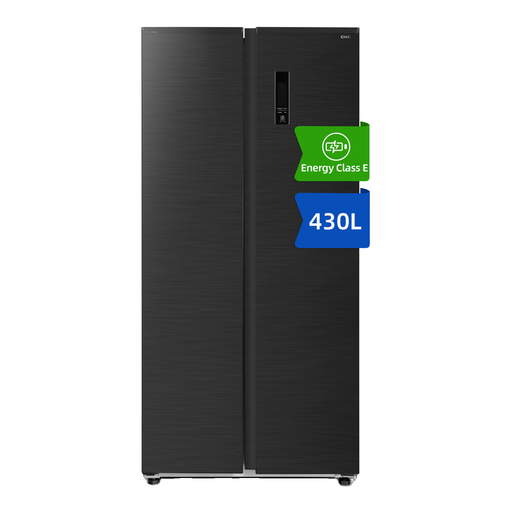
CHiQ JKR433WGE 430 L side-by-side fridge-freezer
This larger format may suit households keeping chilled leftovers and frozen portions in quantity, provided its interior accommodates their containers.
84 cm wide; No Frost; E energy class as stated in the product name. Check the kitchen opening, delivery route and exact model’s energy information.
Joybuy
 No image available
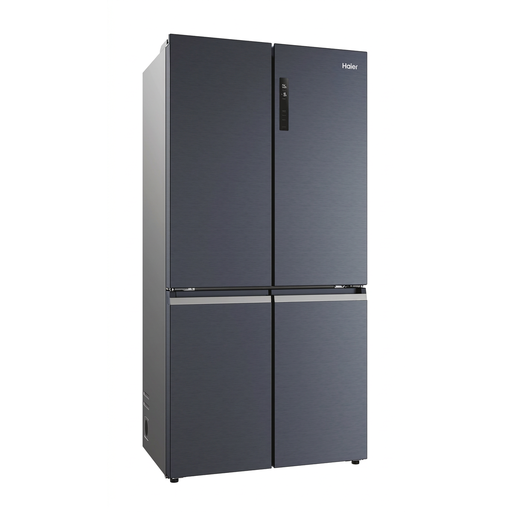
Haier Cube 90 Series 5 HCR5919ENMB 528 L fridge-freezer
Consider this freestanding model when you need substantial space for both refrigerated leftovers and frozen portions.
Check the exact shelf arrangement and adjustment before buying, as well as container fit, installation clearance and the model’s energy information.
Joybuy
 No image available
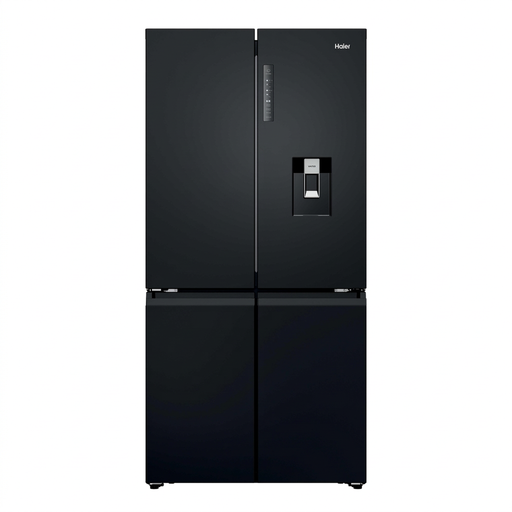
Haier Cube 90 Series 3 HCR39F19EWPT(UK) 649 L fridge-freezer
This freestanding four-door model is relevant if you routinely need substantial chilled storage and freeze cooked portions for later.
Check its dimensions against the kitchen and delivery route, then inspect shelf spacing and the exact model’s energy information.
Joybuy
 No image available
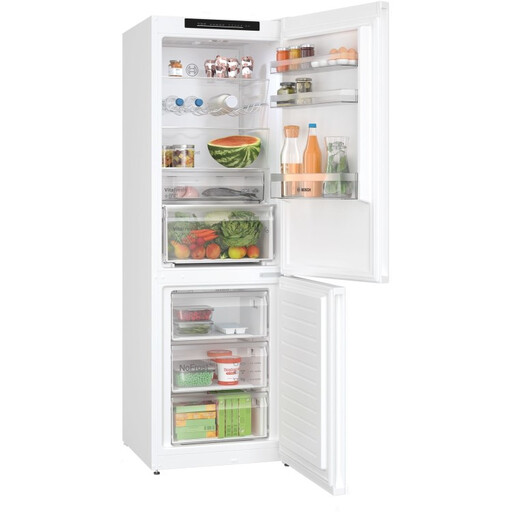
Bosch KGN362WDFG Series 4 60/40 fridge-freezer
The 60/40 layout is worth considering when you refrigerate leftovers more often than you freeze portions, while still needing a freezer compartment.
186 cm tall and 60 cm wide; NoFrost; D energy class as stated in the product name. Check shelf clearance, door movement and the exact model’s energy information.
Joybuy
Frequently asked questions
What temperature should I use for cooked vegetables and leftovers?
Keep the fridge between 0°C and 5°C and the freezer around −18°C, according to the Food Standards Agency. Check the fridge with a thermometer rather than assuming its control dial shows the temperature in degrees Celsius.
How long can cooked vegetables stay in the fridge?
Eat refrigerated leftovers within 48 hours or freeze them if you will not use them by then, as the Food Standards Agency advises. Cool cooked food and refrigerate it within one to two hours, and follow any more specific instructions that apply to the food.
Can I put a hot pan of vegetables straight into the fridge?
Do not put a hot pan straight into the fridge. The Food Standards Agency advises dividing cooked food into smaller portions so it cools more quickly, then refrigerating it within one to two hours.
Should I choose a 50/50 or a fridge-led split?
A fridge-led 60/40 or 70/30 split is worth considering if most portions are chilled for near-term use; a 50/50 split gives a larger share to freezing when both uses matter. Bosch lists these common layouts, but check the exact shelves and drawers because the split alone does not tell you whether your containers will fit.
What energy information should I compare?
Compare the exact fridge-freezer model’s energy label and product information sheet alongside its capacity and dimensions. UK government guidance says energy-information requirements apply to refrigerating appliances, with arrangements that can differ between Great Britain and Northern Ireland.


