Holiday-cottage batch cook
You make vegetable stock or other homemade food in batches and need freezer space that accommodates cooled, portioned containers—not merely a large total appliance capacity.


Choose the installation location before comparing capacity. A heated cottage kitchen can use a fridge-freezer sized around the freezer space needed for your stock portions; an unheated utility room calls for an exact model whose manufacturer supports the temperatures that room reaches. Cool and portion the stock before freezing, then compare freezer space, dimensions and maintenance needs rather than total appliance capacity alone.
You make vegetable stock or other homemade food in batches and need freezer space that accommodates cooled, portioned containers—not merely a large total appliance capacity.
You plan to place the appliance in an unheated room, garage or outbuilding. The exact model’s ambient-temperature guidance matters, including any difference between its freezer and fridge compartments.
You visit the cottage periodically and want to weigh freezer storage, defrosting needs and model-specific energy information before choosing a fridge-freezer.
Settle whether the appliance will stand in a heated or unheated space, then compare the freezer compartment with the stock portions you intend to store. The Food Standards Agency advises keeping a freezer around -18°C; capacity does not replace cooling food before it goes in.
| Concern | What to check | Who this matters to |
|---|---|---|
| Cooling and freezing stock | Plan room to cool and portion stock before freezing; check how you will monitor a freezer temperature around -18°C. | If I make stock in batches, I need a way to cool it and freeze manageable portions without crowding the freezer. Around 36% of consumers put this workflow first. |
| Cold-room suitability | Compare the room’s lowest expected temperature with the exact model’s instructions for both compartments. | When the appliance will stand in an unheated utility room, I need to know whether its fridge and freezer can both operate there. For around 29% of consumers, that is the primary concern. |
| Freezer space and upkeep | Compare freezer-compartment litres and container fit; check the exact model’s defrosting requirements. | With recurring batches, I want space for portioned containers without taking on more defrosting work than I can manage. This comes first for around 21% of consumers. |
| Fit and energy information | Measure the space and access route, allow for installation clearances, and compare model-specific energy labels. | In a compact cottage kitchen, I need an appliance that can be delivered and installed in the available space, with energy information I can compare. Around 14% of consumers prioritise these checks. |
Hot food can affect the appliance’s internal temperature. The Food Standards Agency advises cooling cooked food before chilling or freezing it.
Divide the stock into smaller portions, cool it promptly and freeze it in labelled containers or freezer bags. Aim to keep the freezer around -18°C.
Beko says the FreezerGuard feature on models including CFG4552 supports freezer-compartment operation at low ambient temperatures, but does not recommend using the fridge compartment at low ambient temperatures.
Check the exact model’s instructions against the room’s expected temperature. If you need chilled-food storage there, confirm that the fridge compartment is suitable too.
Total litres include fridge space. Beko lists 142 L of freezer volume for its GN14790, so its freezer allocation—not just its overall size—is the useful figure for planning stock storage.
Compare freezer litres and drawer layout with your portion containers, then measure the appliance space, delivery route and required clearances.
An energy class alone does not tell you whether a fridge-freezer has enough freezer room or fits the cottage. UK government energy-information guidance calls for an accurate label on products within its scope.
Compare the energy label and product information sheet for models of a suitable size and format, alongside freezer capacity and installation dimensions.
These brands illustrate different layouts and model-specific features to check; their inclusion does not establish suitability for a particular cottage.
Relevant when comparing frost-free models or checking freezer operation in a cold utility space.
Relevant when deciding how much of the appliance should be allocated to chilled food versus frozen stock.
Relevant when comparing bottom-mounted fridge-freezers with larger French-door or side-by-side formats.
These fridge-freezers offer different overall sizes and layouts for storing portioned stock. For an unheated cottage room, check the exact model’s ambient-temperature instructions before choosing one.
 No image available
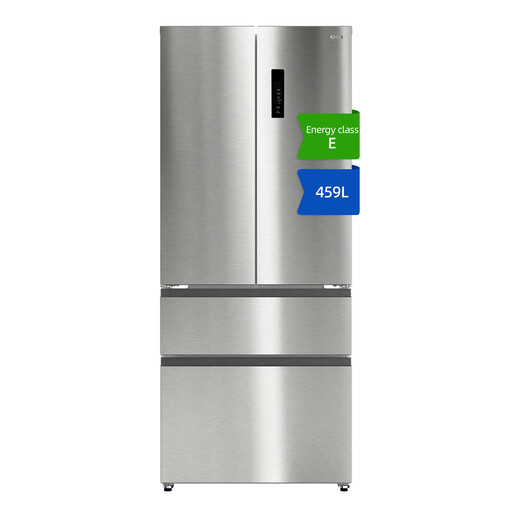
Consider this larger format if you have substantial stock batches; check the freezer compartment and container layout against what you plan to freeze.
The product name specifies an 80 cm width, Total No Frost and an E energy rating. Measure the available space and check the model’s ambient-temperature instructions.
 No image available
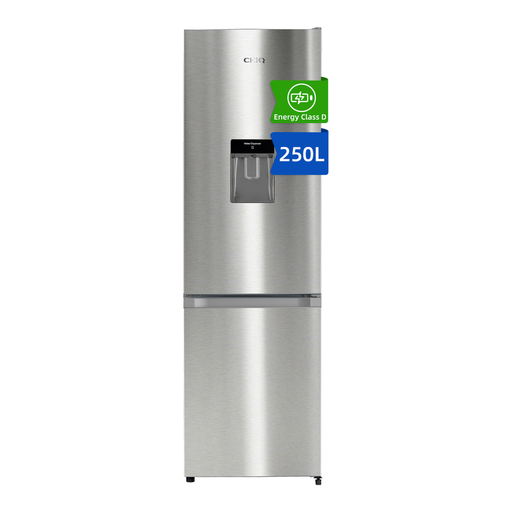
For a heated cottage kitchen, compare its freezer compartment with the number and size of your stock portions.
The product name specifies a 54 cm width, 181 cm height, Total No Frost and a D energy rating. Check installation clearances and the exact model’s freezer and ambient-temperature guidance.
 No image available
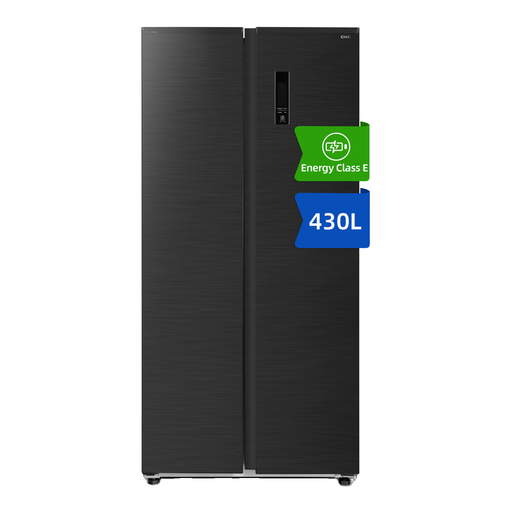
Consider this side-by-side layout if you are comparing larger appliances for multiple stock portions, but assess the freezer space separately from total capacity.
The product name specifies an 84 cm width, No Frost and an E energy rating. Check the access route, door clearance and exact model’s ambient-temperature instructions.
 No image available
The freezer-drawer format may help you separate stock portions; check the drawer dimensions and freezer capacity against your containers.
The product name specifies a 54 cm width, No Frost and an E energy rating. Confirm the installation clearances and ambient-temperature guidance for this model.
 No image available
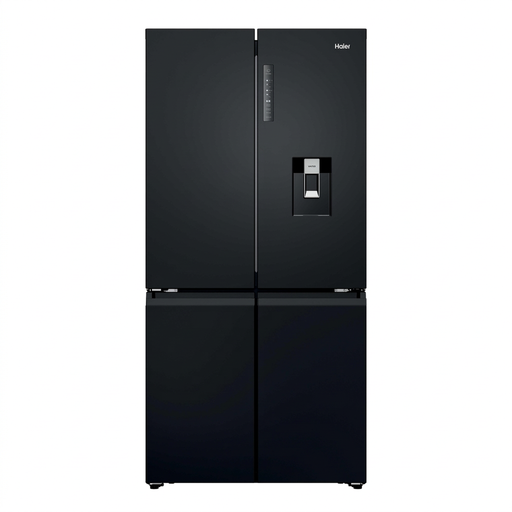
If you are considering a large appliance for recurring batches, compare its actual freezer compartment with your stock containers before committing to its overall size.
The product name identifies a freestanding four-door model. Measure the kitchen and delivery route, and check its defrosting requirements and ambient-temperature instructions.
Cool and portion the stock before freezing it. The Food Standards Agency advises cooling cooked food at room temperature, refrigerating it within one to two hours and using smaller portions to help it cool quickly; it recommends a freezer temperature around -18°C.
Only choose an exact model whose manufacturer supports the temperatures that room reaches, checking the fridge and freezer separately. Beko says the freezer compartment of its CFG4552 can operate down to -15°C with FreezerGuard, but does not recommend using its fridge compartment at low ambient temperatures.
No: frost-free operation addresses freezer maintenance, not the cooling and temperature steps for stock. Cool and portion the stock before freezing, and check that the freezer is kept around -18°C, as advised by the Food Standards Agency.
Compare model-specific energy labels alongside freezer capacity, dimensions and format. UK government energy-information guidance requires an accurate printed energy label for products within its scope; the product information sheet can provide further model details for comparison.