Households buying leafy salads regularly
You want room to store leaves and vegetables without crowding them, and need to distinguish a standard crisper from a drawer explicitly described as humidity-controlled.


Choose a fridge-freezer with a produce drawer you can use without crushing salad leaves, enough chilled space for the rest of a family meal, and dimensions that suit your kitchen. If humidity control matters, confirm that feature on the exact model rather than assuming every crisper provides it. Check the installation requirements and model-specific energy information alongside the storage layout.
You want room to store leaves and vegetables without crowding them, and need to distinguish a standard crisper from a drawer explicitly described as humidity-controlled.
You store several meal ingredients at once but still need freezer space. Compare the chilled and frozen compartment volumes separately, then consider whether the shelves and drawers accommodate what you usually buy.
You are replacing an appliance in an existing gap or integrated cabinet. Its dimensions, door fitting, ventilation requirements and delivery access need to work before its produce features become useful.
Start with the produce drawer and the room available for chilled food, then check kitchen fit and the information that affects day-to-day use. Treat each concern below as the primary reason a consumer might favour one model over another.
| Concern | What to check | Who this matters to |
|---|---|---|
| Produce storage | Check whether the drawer is a standard crisper or is explicitly humidity-controlled, and whether leaves can fit without being crushed. Bosch Home UK describes humidity control on its VitaFresh produce drawer; the feature depends on the model. | If salad leaves are a regular part of family meals, I want a drawer that fits them without crowding. Around 33% of consumers put suitable produce storage first. |
| Chilled capacity and layout | Compare fridge and freezer volumes separately, then assess shelf positions and drawer access for your usual ingredients and dishes. | When several fresh ingredients and prepared dishes need space at once, I care more about usable fridge room than a headline total capacity. Around 27% of consumers prioritise chilled capacity and layout. |
| Kitchen fit | Check appliance and installation dimensions, door fittings, ventilation instructions and the delivery route for the exact model. | A fixed gap or integrated cabinet makes compatibility my deciding concern; around 20% of consumers put kitchen fit first. |
| Maintenance and operating information | Check whether the freezer is No Frost, then compare annual electricity use in kWh and noise in dB(A) for individual models. GOV.UK's Create an Energy Label Service identifies these as model-level energy-label figures. | If I want to limit freezer-defrosting work, I also need figures I can compare before committing. Around 20% of consumers prioritise maintenance and operating information. |
A basic crisper and a drawer described as humidity-regulating are not the same stated feature. Bosch Home UK describes humidity control for VitaFresh produce storage, while AEG identifies humidity regulation on its GreenZone+ drawer.
Check the exact model's drawer description, its size and how easily you can reach stored leaves.
A total volume does not show how much space is chilled rather than frozen, or whether family-sized dishes fit on the shelves.
Compare compartment volumes separately and check the shelf and drawer arrangement against what you normally store.
Integrated appliances need compatible cabinetry and door fittings; a larger freestanding model also has to pass through the delivery route and fit its final position.
Measure the gap and access route, then compare them with the exact model's installation instructions, including door clearance and ventilation.
No Frost addresses freezer maintenance; it does not establish how much electricity an individual fridge-freezer uses.
Compare models using their annual kWh figures and other relevant information on the same basis, alongside the freezer feature you want.
These model examples illustrate different storage layouts and features; check specifications on the particular appliance you are considering.
Worth examining if a specifically described produce-storage system matters to you.
Relevant when comparing separate cooling with a dedicated humidity-regulating vegetable drawer.
An integrated-format reference for households considering more chilled than frozen space.
A larger multi-door reference for households assessing space for bulky family food storage.
A reference when narrowing down an installation format before comparing individual fridge-freezers.
These choices cover integrated appliances and larger freestanding formats for storing fresh ingredients alongside a family shop. Compare their produce-storage arrangements and kitchen fit individually; a large fridge compartment or a named cooling system does not by itself confirm humidity control in a salad drawer.
 Image unavailable
Consider this integrated format if fresh-food space and a produce drawer are priorities. Check the drawer's usable space, cabinet opening, door fitting and ventilation instructions against your kitchen.
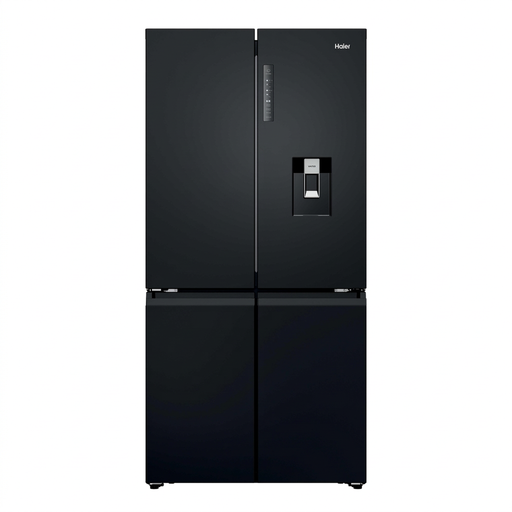 Image unavailable
Consider this freestanding four-door format if your family shop needs substantial storage. Check the exact function of its storage zones before relying on humidity regulation for salad leaves, and measure both its kitchen position and delivery route.
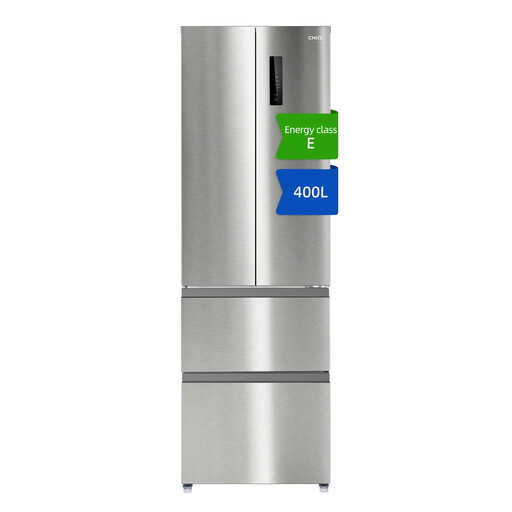 Image unavailable
This 60 cm-wide format may suit a kitchen where width limits the choice of family fridge-freezer. It is described as Total No Frost; check how its produce-related space is arranged and whether its Vegetable mode suits the leaves you store.
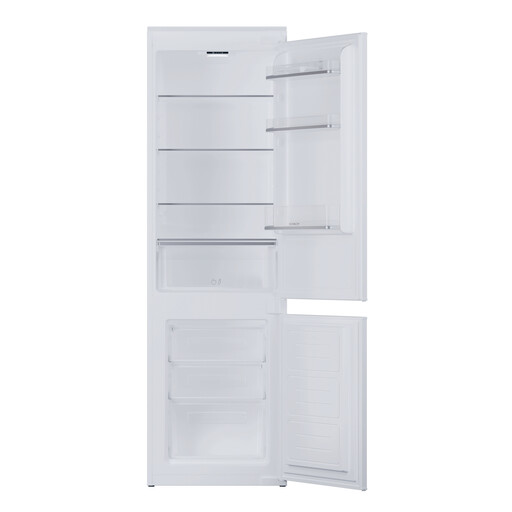 Image unavailable
Consider this integrated layout if a produce crisper and a larger share of chilled space suit your family shop. Confirm the cabinet and door-fitting requirements. Low Frost should not be treated as frost-free, so allow for defrosting.
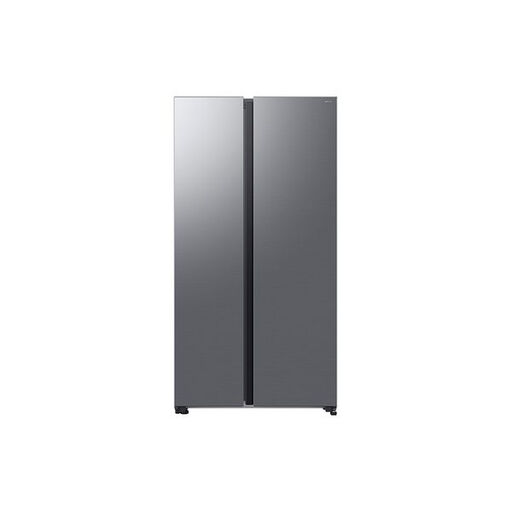 Image unavailable
This larger format is relevant if room for a family shop is your main concern. Check the produce-drawer arrangement before choosing it for salad leaves, and measure the kitchen space and delivery route.
A crisper is a sensible place to assess for salad-leaf storage: AEG Support UK advises storing fruit and vegetables in crisper drawers, where trapped moisture can help preserve food quality. Make sure leaves fit without being crushed and follow the food's storage instructions.
No. Check the exact model's description for adjustable or automatic humidity control. Bosch Home UK describes a humidity-controlled VitaFresh produce drawer, while AEG describes its GreenZone+ drawer as humidity-regulating; neither description applies to every crisper.
Compare the individual models' energy classes and annual electricity consumption in kWh, alongside chilled and frozen volumes and noise in dB(A). GOV.UK's Create an Energy Label Service identifies annual consumption and noise as fridge-freezer energy-label figures; use each model's label or product information when comparing them.
No Frost is relevant if you want to reduce freezer-defrosting work, not as proof of a particular salad-storage feature. Check the fridge's produce drawer separately and compare annual electricity use for the exact models you are considering.
The appliance must suit the cabinet opening and its door-fitting arrangement, with space for the installation requirements in the exact model's instructions. Check those details, ventilation and delivery access before ordering, even if the advertised fridge/freezer split suits your family shop.