Seasonal berry batch freezers
People living alone who freeze repeated portions from a garden harvest need to assess the freezer compartment separately from total appliance capacity. Drawers or accessible sections can help keep portions organised.


Choose a fridge-freezer with enough separate freezer space for your berry portions while still fitting your fresh-food needs and kitchen. Compare frozen-compartment litres, drawer access, annual electricity consumption and noise for the exact model; give frost-free convenience or a rapid-freeze setting more weight if your harvest routine calls for them.
People living alone who freeze repeated portions from a garden harvest need to assess the freezer compartment separately from total appliance capacity. Drawers or accessible sections can help keep portions organised.
When kitchen space is tight, the appliance must fit the available height, width and depth while leaving room for its door to open. Measuring the delivery route before choosing a fridge-freezer is also advisable.
People who want less manual defrosting should check the exact model’s frost-control features. To compare ongoing electricity use, look at annual kWh alongside frozen-compartment volume and noise rather than relying on total capacity.
For one person freezing garden berries, establish how much separate freezer space your portions need, then check that the appliance fits before weighing convenience features and running costs.
| Concern | What to check | Who this matters to |
|---|---|---|
| Freezer space and organisation | Compare frozen-compartment litres and the drawer or shelf layout with the portions you plan to store. | If I freeze berries throughout the harvest, I need space to separate portions without losing track of them. Around 42% of consumers put organised freezer space first. |
| Kitchen fit and access | Measure the appliance space and delivery route; check the exact model’s ventilation and door-opening requirements. | In a small kitchen, I need the fridge-freezer to fit and its door to open fully before extra capacity is useful. Kitchen fit is the primary need for around 33% of consumers. |
| Upkeep, electricity and noise | Check frost-control features and compare annual kWh and noise figures for the exact models under consideration. | I would rather limit defrosting work and understand the appliance’s day-to-day electricity use and noise. Around 25% of consumers prioritise these ongoing considerations. |
A fridge-freezer’s total litres include chilled storage, so a large overall figure does not tell you how much room is available for berries.
Compare frozen-compartment litres on the exact model’s product information sheet, then check whether its layout suits your intended portions.
An appliance can fit its planned position yet be difficult to bring through a doorway or open fully beside a wall.
Measure the delivery route and door swing, and follow the chosen model’s installation instructions for clearances.
Cold-location suitability differs by model and compartment. Beko says the freezer section of its CFG4552 can operate at ambient temperatures down to -15°C, but does not recommend its fridge compartment for low ambient temperatures.
If you plan to use an outbuilding, check the documentation for the exact appliance and both compartments before ordering.
Frost-free features address defrosting, while a rapid-freeze setting is intended for loading fresh food. Neither establishes the exact model’s electricity use or independently measured freezing performance.
Compare annual kWh on the model’s label and, if freezing a large harvest quickly matters, look for independent freezing-performance test evidence.
Relevant to shoppers comparing Frost Free fridge-freezers or checking a specifically marked model for a cold outbuilding.
Relevant to shoppers who want to examine freezer-drawer access, No Frost options or a selectable Super Freeze function.
Relevant to shoppers considering a Power Freeze setting, provided the chosen appliance fits the kitchen.
These fridge-freezers offer different combinations of appliance width, frost-control features and, where stated, freezer capacity for a one-person household storing garden berries. Check the frozen compartment and installation requirements of each model against your own harvest and kitchen.
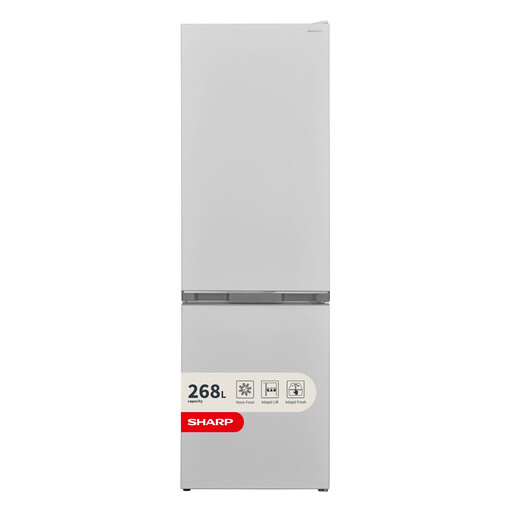 No image available
Consider this 60/40 model if you want separate chilled and frozen storage for everyday food and berry portions.
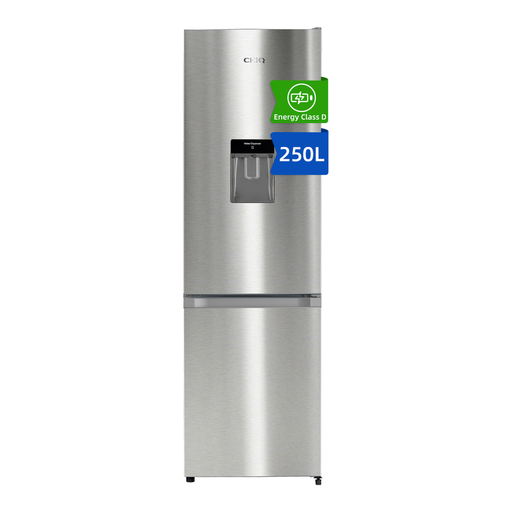 No image available
Consider this model if reduced manual defrosting is important alongside storage for berry portions.
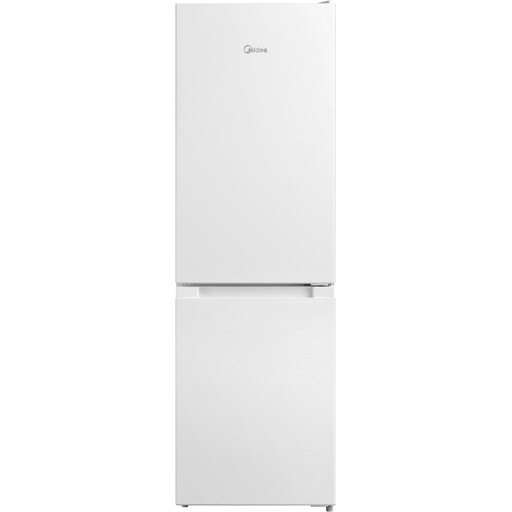 No image available
Consider this narrower model if kitchen width is a constraint, while checking that its freezer compartment can hold your planned berry portions.
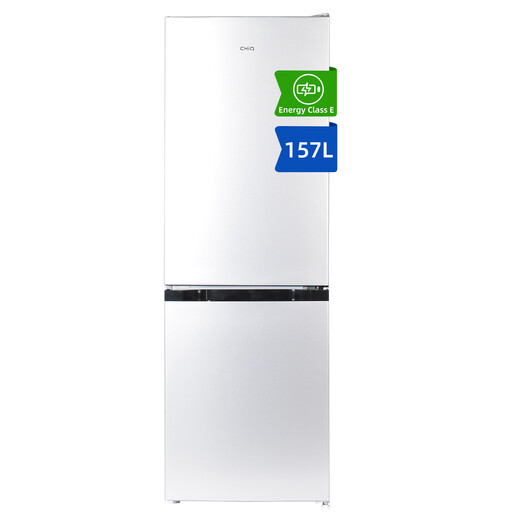 No image available
Consider this model where both width and height are restricted, but assess whether its freezer space will accommodate a seasonal harvest.
 No image available
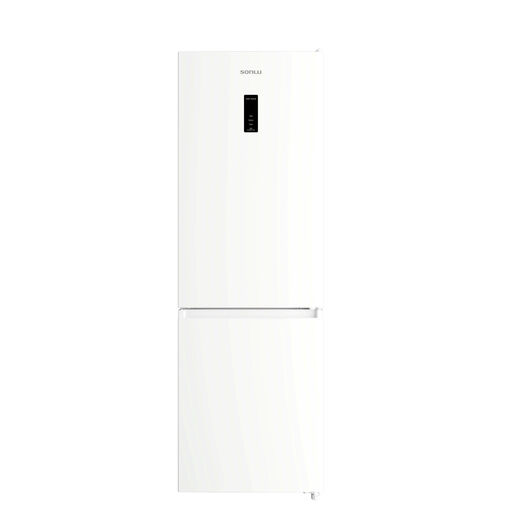
Consider this model if the stated freezer volume suits your berry batches and you have room for a 60 cm-wide appliance.
Compare the exact fridge-freezer’s annual electricity consumption in kWh, frozen-compartment volume in litres, energy class and noise figure. UK household refrigeration label information distinguishes frozen volume from total storage, making the separate freezer figure particularly useful for this choice.
A rapid-freeze setting is worth considering if you regularly add a substantial fresh harvest at once, but it is not essential for every household. Check whether the exact model offers the function; a named setting alone does not establish its real-world freezing speed.
Choose a model for an unheated garage only if its documentation supports the expected ambient temperatures for the use you need. Beko says the freezer compartment of its CFG4552 can operate down to -15°C ambient temperature, but does not recommend its fridge compartment at low ambient temperatures.
Measure the intended appliance space and the route into your home, including doorways, then check the chosen model’s door swing and installation clearances. General measurement guidance highlights height, width, depth and obstructions such as rear pipework or sockets; use the manufacturer’s instructions for model-specific requirements.
Check the seller’s appliance take-back arrangements and your local authority’s current large-appliance collection options before ordering. GOV.UK explains the UK retailer take-back requirement for electrical waste of the same type as an item purchased; the collection arrangement you can use still needs confirming with the relevant provider.