Shared-kitchen batch freezers
If several residents use the freezer, labelled vegetable portions need space where they will not be displaced or buried. Check the usable frozen volume, drawer arrangement and freezing capacity against a normal batch.


Choose the freezer layout before comparing extras. A 50/50 fridge-freezer is a sensible starting point when housemates need both chilled and frozen space; a 70/30 layout favours fridge space, while a separate chest freezer makes sense only if there is already a fridge and room for another appliance. For batches of blanched green beans, check frozen-compartment volume and the exact model’s freezing capacity alongside fit, noise, frost management and annual energy use.
If several residents use the freezer, labelled vegetable portions need space where they will not be displaced or buried. Check the usable frozen volume, drawer arrangement and freezing capacity against a normal batch.
Shared cleaning duties make frost management worth discussing before purchase. A frost-free system reduces manual defrosting, while a door-open alarm can help where the exact model offers one.
A fridge-freezer must fit the kitchen and its access route without blocking door movement. Compare dimensions, annual energy consumption and rated noise as well as storage volume.
Start with room for the usual batch of beans, then check whether the appliance fits and how it will work in a shared kitchen day to day.
| Concern | What to check | Who this matters to |
|---|---|---|
| Usable freezer room | Frozen-compartment litres and drawer space; freezing capacity in kg/24 h for larger batches. | When I portion several batches of blanched beans, I need space that other residents’ food will not displace; around 31% of consumers put usable freezer room first. |
| Shared upkeep and noise | Frost-management type and rated noise in dB(A); check whether the exact model has a door-open alarm. | With defrosting duties shared, I want to limit ice-management work and disturbance; roughly 25% of consumers prioritise shared upkeep and noise. |
| Fit and installation | Height, width, depth, access route and door clearance; confirm whether the kitchen needs a freestanding or integrated model. | If the appliance cannot reach its position or open properly, its storage is of little use to me; around 25% of consumers make fit and installation their primary concern. |
| Energy use | Annual consumption in kWh/year alongside chilled and frozen volumes, rather than energy class alone. | When housemates share electricity use, I want a clear annual figure for otherwise suitable models; roughly 19% of consumers put energy-use visibility first. |
Combined capacity includes fridge space that cannot hold frozen beans. Indesit lists 70 L of frozen-compartment volume for its 70/30 INKF 8251 S4UK fridge-freezer.
Compare frozen litres first, then inspect the drawer layout and the specified freezing capacity for your usual batch.
A frost-free system addresses defrosting work, not whether a model is quiet, fits the kitchen or has enough freezer space.
Compare frozen litres, annual kWh, rated dB(A), dimensions and door clearance for each shortlisted model.
Freezing capacity is specified for a 24-hour period and varies by model. Beko’s CFP3691DV manual specifies 5 kg in 24 hours; Indesit lists 11.5 kg in 24 hours for its OS 2A 250 H2 1 chest freezer.
Cool and portion the beans, then keep each batch within the exact appliance’s stated kg/24 h capacity.
A freestanding fridge-freezer, integrated unit and chest freezer have different access and installation needs. A separate chest freezer also needs floor space and does not provide chilled storage.
Measure the route into the kitchen and the intended position, including opening clearances, before choosing a format.
Bosch offers freestanding and built-in fridge-freezers in layouts including 50/50, 60/40 and 70/30.
Beko has freestanding and integrated fridge-freezers, including frost-free models for households seeking less manual defrosting.
Indesit has freestanding and integrated fridge-freezers as well as separate chest freezers.
These freestanding fridge-freezers offer different ways to allocate space in a shared kitchen. Check the freezer compartment and daily freezing capacity against your usual bean batches before deciding whether either layout works.
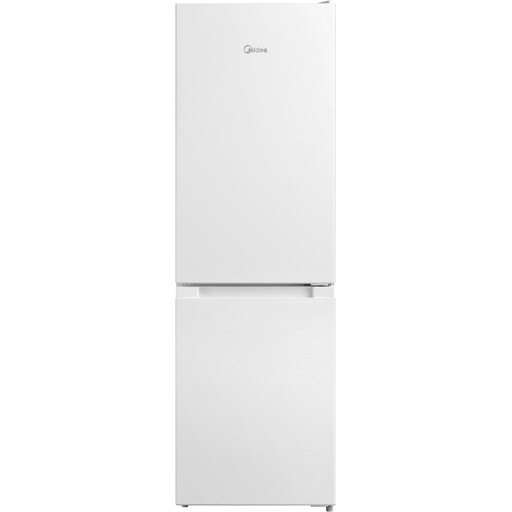 Image unavailable
Consider this model where a narrow freestanding appliance is needed for shared chilled and frozen storage.
The product name specifies 173 L total capacity, 50 cm width and energy class E. Check its frozen-compartment volume and kg/24 h freezing capacity against your normal batch, and confirm the freezer temperature setting in the exact model’s documentation.
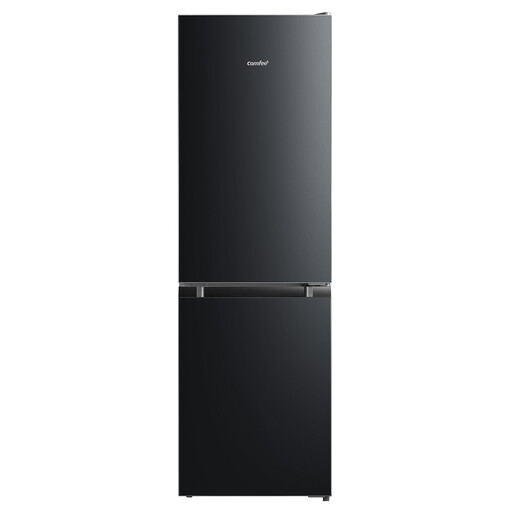 Image unavailable
Consider this 70/30 model when the shared kitchen needs more fridge space and beans are frozen in smaller batches.
The product name specifies 174 L total capacity, 150 cm height, Low Frost, a 4-star freezer, 39 dB noise and energy class E. Low Frost is not the same as Frost Free; check the exact model’s defrosting instructions, frozen-compartment volume, kg/24 h freezing capacity and freezer temperature setting.
Check that the exact freezer can be operated at −18°C or colder. Cambridge University Hospitals NHS Foundation Trust gives that temperature in its food-safety guidance for people at increased risk of infection; confirm the setting in the appliance documentation and keep each cooled batch within its stated freezing capacity.
Frost Free is worth considering if housemates want to avoid manual freezer defrosting. It does not establish how much frozen storage a model has or how much energy it uses, so compare frozen litres, annual kWh and rated noise separately.
A 70/30 fridge-freezer can suit smaller or occasional batches, provided its frozen space and freezing capacity meet the household’s needs. Indesit lists 70 L of frozen volume for its INKF 8251 S4UK example; check the figures for the particular model rather than relying on the split alone.
Pack cooled beans in sealed, dated portions and agree where each resident’s food goes. Smaller labelled portions are easier to identify and remove without disturbing other food in a shared drawer.