Cottage cooks making fresh dressing
You need room for covered containers and a way to check that the fridge stays cold enough, rather than choosing by freezer capacity alone.


Choose a fridge-freezer only after checking that the cottage room’s expected temperature falls within the exact model’s operating conditions, including any limits on its fridge compartment. For homemade dressing that needs chilling, prioritise a fridge temperature you can check and enough space for covered containers; a freezer’s low-temperature feature does not establish that the fridge section is suitable for a cold, unheated room.
You need room for covered containers and a way to check that the fridge stays cold enough, rather than choosing by freezer capacity alone.
If the appliance will stand in a kitchen, annex or utility room that becomes cold while the cottage is empty, compare that room’s lowest expected temperature with the exact model’s fridge-compartment conditions.
You need the appliance to pass through the doorway and fit its position while leaving usable chilled space for dressing containers and guests’ food.
Check the room temperature and installation space before comparing capacity and convenience features. Buckinghamshire Healthcare NHS Trust advises keeping a fridge between 0°C and 5°C; a fridge thermometer lets you check the storage area after installation.
| Concern | What to check | Who this matters to |
|---|---|---|
| Chilled storage | Check how fridge temperature is controlled and make space for a thermometer and covered dressing containers. | If I prepare fresh dressing, I need to know the fridge stays cold enough between visits. Around 36% of consumers put dependable chilled storage first. |
| Cold-room suitability | Compare the coldest expected room temperature with the exact model’s operating range and any separate fridge-compartment warning. | When my cottage is unheated, I cannot rely on a freezer feature to tell me how the fridge section will operate. For around 29% of consumers, cold-room suitability is the primary concern. |
| Capacity and fit | Measure the access route, appliance space and door clearance; compare fridge and freezer volumes with the food you expect to store. | I may need shelf space for dressing jars alongside guests’ food, but the appliance still has to fit the kitchen. Around 21% of consumers chiefly need to balance storage space with physical fit. |
| Maintenance and energy information | Compare the exact models’ energy labels and check whether their defrosting and warning features meet your needs. | If the cottage is vacant between stays, I want manageable defrosting and clear information for comparing appliances. These are the main priorities for around 14% of consumers. |
Beko and Hotpoint distinguish their freezer-focused low-ambient features from recommended use of the fridge compartment in a cold room. Dressing that requires refrigeration depends on the fridge section.
Find the room’s lowest expected temperature and check the exact model’s instructions for refrigerator-compartment operation at that temperature.
A narrow fridge-freezer may fit the space yet leave too little chilled shelf room for containers and guests’ food. An integrated model also has to match its cabinet housing.
Measure the delivery route, installation space and door swing, then compare the declared compartment volumes and internal layout.
Frost-free features address ice build-up; they do not tell you the temperature around stored dressing.
Use a fridge thermometer and investigate unusual readings or an appliance temperature warning.
Storage decisions depend on the recipe and preparation, particularly when ingredients such as raw egg are involved.
Keep containers covered and dated, and follow food-safety guidance appropriate to the ingredients rather than relying on one time limit for every dressing.
Its UK freestanding range includes models with different widths and compartment capacities for cottage kitchens.
Its range includes integrated fridge-freezers and models with freezer-focused low-ambient features.
Its freestanding range includes the HPKH 1261 S4UK, a 54 cm-wide frost-free 50/50 fridge-freezer.
These freestanding fridge-freezers offer different widths and storage formats for cottage kitchens. Before choosing one for dressing, check the exact model’s fridge-compartment operating conditions against the room’s coldest expected temperature.
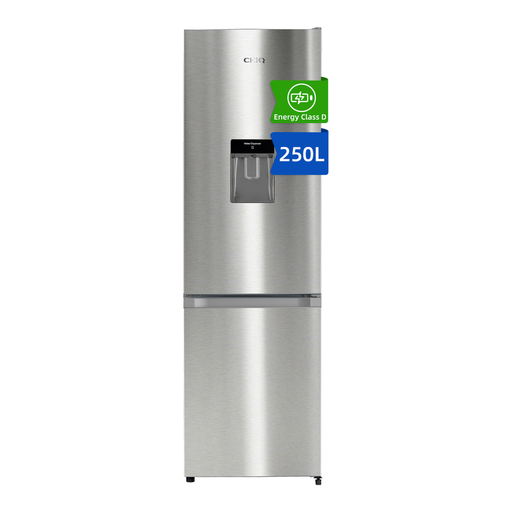 No image available
Consider this freestanding format where kitchen width is limited. Its stated width is 54 cm, height is 181 cm and total capacity is 250 L; the name also specifies Total No Frost. Check the fridge shelf layout for your containers and confirm the model’s fridge-compartment operating conditions.
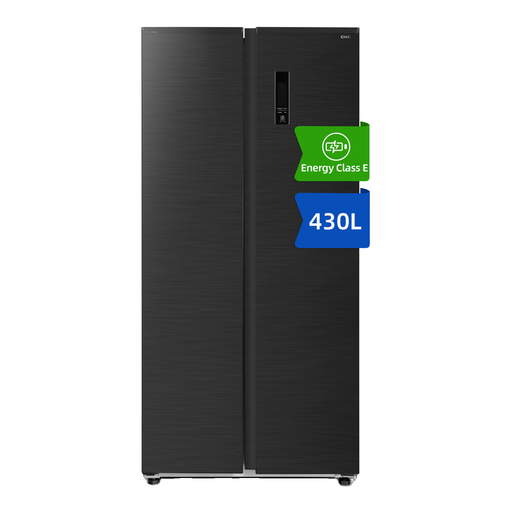 No image available
Consider the side-by-side layout if you expect larger food loads and have room for it. The stated width is 84 cm and total capacity is 430 L; measure the access route and door clearance, and check the exact fridge-compartment operating conditions.
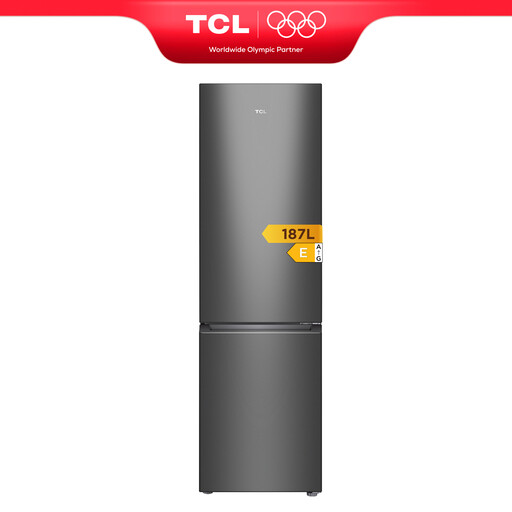 No image available
Consider this freestanding model for a narrower appliance space. Its stated width is 55 cm, height is 183 cm and total capacity is 282 L; check the fridge compartment’s usable space for dressing containers and its operating conditions for the cottage room.
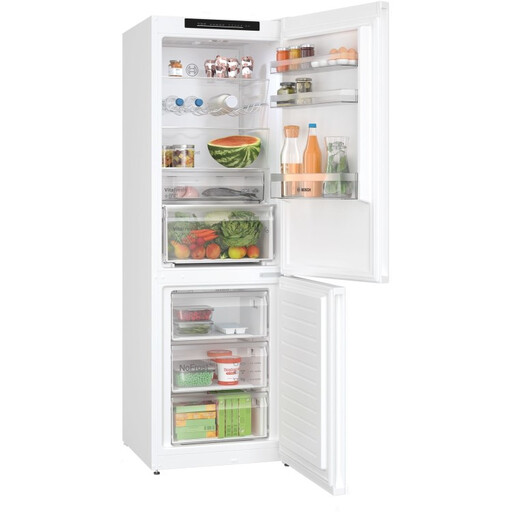 No image available
Consider this freestanding 60 cm-wide model where the kitchen and delivery route allow for it. The stated height is 186 cm and the name specifies NoFrost; check its internal fridge space for your containers and its operating conditions if the cottage cools while unoccupied.
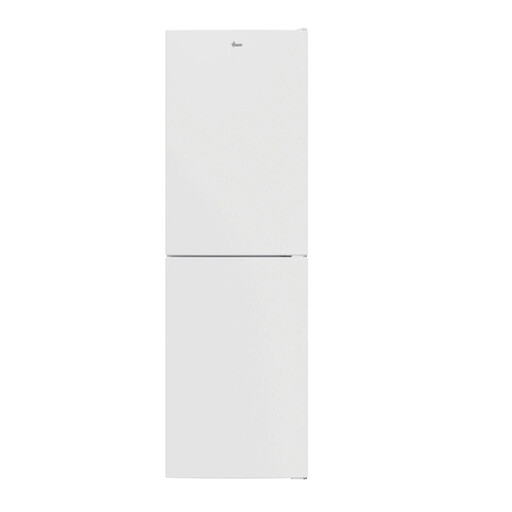 No image available
Consider this freestanding format if a 55 cm-wide space rules out a wider appliance. Its stated height is 176 cm; Low Frost is not the same as frost-free, so allow for possible defrosting and check the model’s fridge-compartment operating conditions.
Buckinghamshire Healthcare NHS Trust advises keeping a fridge between 0°C and 5°C for general food storage. Check the temperature with a fridge thermometer; the dressing’s ingredients and preparation also affect how it should be stored.
Only choose a model for chilled dressing storage there if its stated refrigerator-compartment operating conditions cover the annex’s coldest expected temperature. Beko explains that refrigeration appliances have ambient-temperature limits, and a freezer’s low-ambient capability does not by itself cover the fridge section.
No: a freezer-focused feature does not establish that homemade dressing will stay properly chilled in the fridge compartment. Beko and Hotpoint caution against using the fridge compartments described in their product material at low ambient temperatures; check the exact model’s instructions for the room where it will stand.
Compare the energy information for the exact models you are considering alongside their capacity and dimensions. GOV.UK says products within the energy-labelling rules must be supplied with an accurate printed energy label; a label does not establish whether a fridge compartment will operate appropriately in a cold cottage room.