
24/7 Customer Support

Free returns

Same-day & Next-day Delivery

Quality Guaranteed

Unlock Your Welcome Offers: FREE Delivery | Up to 80% OFF | Free 30-day JoyPlus trial
Download the APP
Buying a fridge freezer is rarely as simple as choosing a colour and capacity. A model that looks suitable online may not fit through a doorway, open properly beside a wall or provide enough usable freezer space for your household. Marketing terms can also sound more useful than they are in everyday use.
Before comparing fridge freezers, watch for three common purchasing traps:
For many UK households, a 60/40 fridge freezer is a practical starting point, with more fresh-food storage than freezer space. It suits couples and families who buy fresh groceries regularly but still freeze batch-cooked meals and essentials.
A 70/30 layout can work well for households that mainly need fridge space. Conversely, a French door fridge freezer often provides wider fresh-food shelves and separate freezer drawers, which can help with large containers and family-sized shopping.
Consider usable capacity rather than the headline figure:
A standard 60cm fridge freezer is not necessarily exactly 600mm wide. For example, some freestanding models measure around 595mm, while a compact appliance may be under 550mm. Integrated fridge freezers use different measurements altogether: the cabinet niche, door hinges and sliding or fixed hinge system must all match.
Measure:
A reversible door can make installation more flexible, but reversing the hinge may require suitable tools and should follow the manufacturer’s instructions.
A frost-free fridge freezer, also described as a No Frost fridge freezer, circulates dry air to reduce ice build-up and remove the need for routine manual defrosting. This is convenient, but it may involve fans, so check the stated noise level if the appliance will sit in an open-plan kitchen.
An inverter compressor fridge freezer can adjust cooling output rather than operating only at fixed intervals. This may support quieter operation and consistent temperature control, but compare the appliance’s stated noise level and annual energy consumption rather than assuming every inverter model has identical performance.
Smart functions are useful when they solve a real problem. A smart fridge freezer with Wi-Fi may allow remote temperature adjustments, energy monitoring or alerts. If you rarely use app controls, a straightforward electronic display may provide better value.
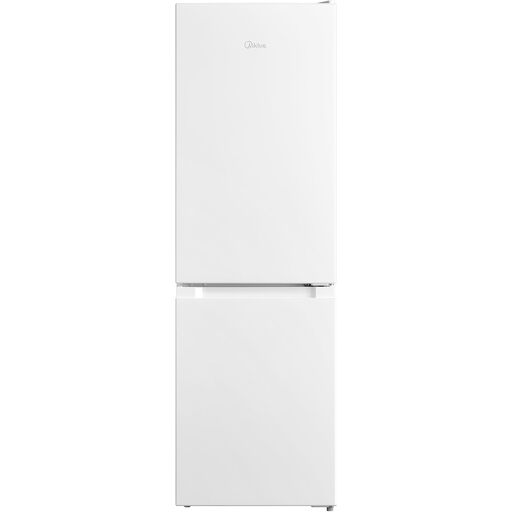
Why This Fits Their Persona: Its 47cm width and 173-litre capacity suit smaller kitchens, flats, couples and utility rooms where floor space is limited.
The stated dimensions make it easier to assess fit before purchase, while frost-free operation avoids routine manual defrosting.
150cm height, reversible door, 60/40 split and E energy rating.

Why This Fits Their Persona: Designed for households wanting substantial storage, app connectivity and dedicated food-storage zones in a tall freestanding format.
Its stated 409-litre net capacity is separated into 289 litres for the fridge and 120 litres for the freezer, making the storage balance clear.
An A energy rating, 114kWh stated annual consumption, Total No Frost and Wi-Fi connectivity.
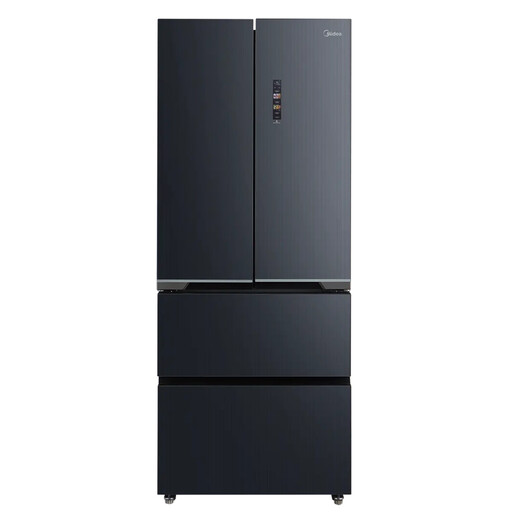
Why This Fits Their Persona: A suitable format for larger households, batch cooking and shoppers who need wide fresh-food storage without a 90cm-wide appliance.
The 753mm width and 600mm depth are stated clearly, helping prevent surprises when positioning the appliance alongside standard-depth cabinetry.
435-litre capacity, 276-litre fridge, 159-litre freezer, Total No Frost and 35dB noise level.
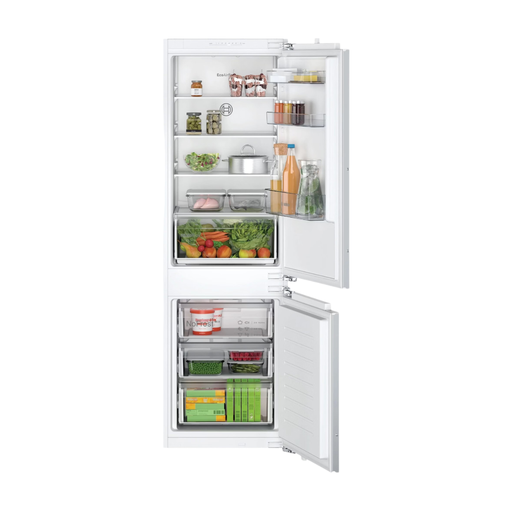
Why This Fits Their Persona: It is designed for homeowners creating a fitted kitchen where the appliance sits behind matching cabinetry.
The required niche dimensions and fixed-hinge system are specified, reducing the risk of buying an appliance that does not match the cabinet.
260-litre capacity, Total No Frost, 60/40 layout and three transparent freezer drawers.
We have compiled a complete, real-time list of products that fully satisfy these strict selection criteria and UK safety regulations.
For most households, a frost-free or No Frost fridge freezer is convenient because it reduces ice accumulation and manual defrosting. It remains important to clean door seals, avoid overloading shelves and follow the manufacturer’s maintenance instructions.
Use the energy label’s annual kWh figure as the comparison point. Multiply it by your electricity tariff to estimate annual consumption cost. The result is indicative rather than guaranteed, as usage, ambient temperature, door opening and installation can affect consumption.
Lifespan depends on build quality, installation, ventilation, cleaning and usage. Keep the condenser and ventilation areas clear where the instructions permit, maintain the door seal and seek qualified servicing for electrical or refrigerant-related faults.