Fresh-dairy regulars
If you buy several tubs of fresh yoghurt at a time, you need space to organise them and a fridge temperature you can check. The Food Standards Agency advises keeping a household fridge between 0 and 5°C.


Choose a fridge whose temperature you can check against the Food Standards Agency’s 0–5°C guidance, then decide whether you need fridge-only storage or room for frozen food too. Compare usable chilled space and kitchen fit before choosing specialist freshness features; if the appliance will sit behind a cabinet door, its installation requirements must match the kitchen.
If you buy several tubs of fresh yoghurt at a time, you need space to organise them and a fridge temperature you can check. The Food Standards Agency advises keeping a household fridge between 0 and 5°C.
If space is restricted, the appliance’s dimensions, door opening and shelf arrangement may decide which format works. Adjustable shelves can help accommodate tubs of different heights.
If yoghurt shares an appliance with weekly groceries and frozen food, compare the chilled compartment and freezer separately rather than judging space by total capacity.
Decide whether the appliance needs a freezer, then check how much fridge space will fit your kitchen and groceries. Whichever format you choose, plan to check its installed temperature with a fridge thermometer.
Choose it when: Chilled food is the priority and you have a separate freezer or rarely need one.
Trade-off: A larder fridge provides little or no freezer space in the appliance.
Choose it when: One appliance must hold yoghurt, other chilled groceries and frozen food.
Trade-off: The freezer takes up space that could otherwise be available for chilled food.
| Concern | What to check | Who this matters to |
|---|---|---|
| Chilled temperature | Check the installed compartment with a fridge thermometer against the Food Standards Agency’s 0–5°C guidance. Follow the yoghurt pack’s storage and use-by instructions. | I want to know that my yoghurt is being kept cold enough, rather than relying on a dial setting alone. Around 50% of consumers put temperature assurance first. |
| Kitchen fit and layout | Measure the space and door swing against the exact model’s installation instructions; compare shelf positions and chilled volume. | If my kitchen has a narrow opening, I need a fridge I can fit and open while still making room for tubs. Kitchen fit and usable layout come first for around 30% of consumers. |
| Chilled and frozen space | Compare fridge-compartment litres with the freezer split. For energy use, compare annual kWh as well as energy class among suitably sized models. | When one appliance has to hold both yoghurt and frozen food, I need enough room on the fridge side without overlooking electricity use. That balance is the main concern for around 20% of consumers. |
A dial setting is not a measurement of the compartment where your yoghurt sits. The Food Standards Agency recommends using a fridge thermometer and checking it weekly.
After installation, check for 0–5°C and follow the yoghurt pack’s storage and use-by instructions.
A fridge-freezer’s total litres include its freezer, so the headline figure does not tell you how much room is available for yoghurt and other chilled groceries.
Compare chilled-compartment litres, shelf layout and the fridge/freezer split for the exact model.
UK government appliance guidance notes that differently sized appliances with the same rating can use different amounts of electricity.
Compare annual kWh alongside energy class, focusing on models with the capacity you need.
An appliance that fits the opening on paper may still need room for ventilation and its door to open. Integrated models must also match the cabinet and door-fitting arrangement.
Measure the opening, delivery route and door swing, then check the exact model’s installation instructions.
Its UK range includes freestanding and integrated refrigeration.
A brand to consider when shelf arrangement matters in a compact or freestanding fridge.
Its BioFresh range includes models with a Meat & Dairy Safe.
Its UK range includes larger fridge-freezer formats, such as French-door and side-by-side models.
These Joybuy choices include freestanding fridge-only models for chilled storage and integrated models for fitted kitchens, including one fridge-freezer for households that also need frozen-food space. Check each appliance’s installed fridge temperature before using it for fresh yoghurt.
 No image available
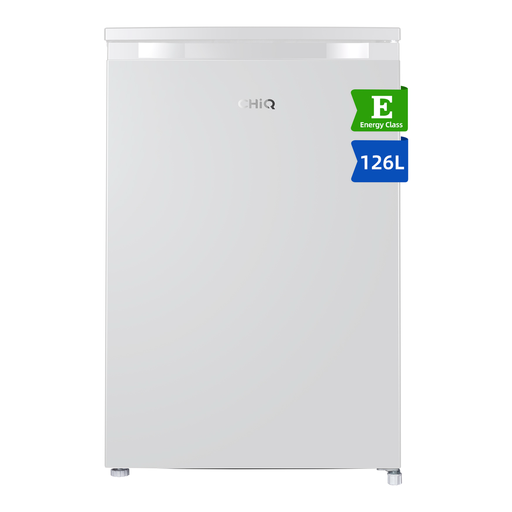
Consider this under-counter, fridge-only format if kitchen width is limited and chilled food takes priority over freezing.
Check that its 126L capacity meets your needs, allow for door clearance and measure the installed compartment with a fridge thermometer.
 No image available
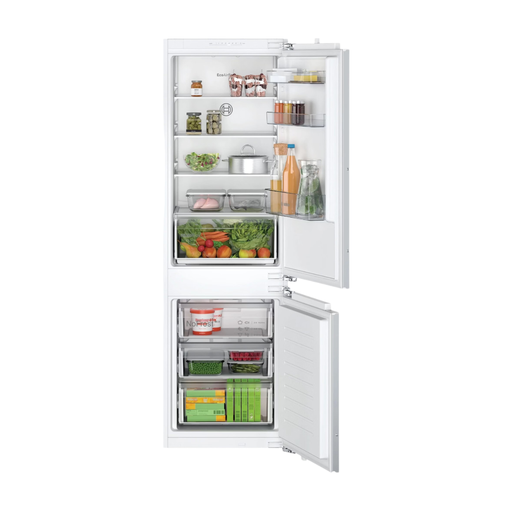
This format suits a fitted kitchen that needs both chilled storage for yoghurt and a freezer in the same appliance.
The title specifies 260L total capacity and a fixed hinge; compare the separate chilled-compartment volume and confirm the cabinet and door fitting before ordering.
 No image available
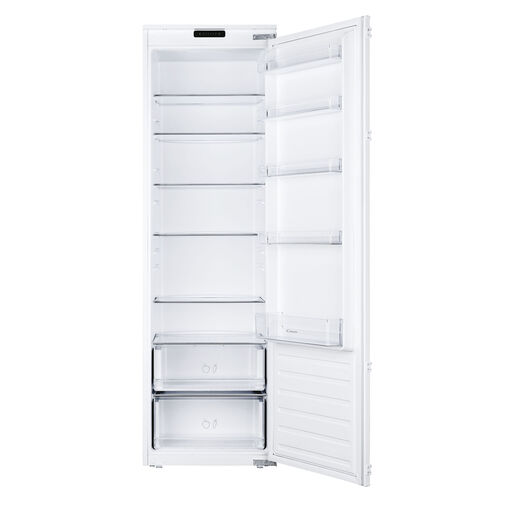
Consider this fridge-only model if a fitted kitchen needs substantial chilled storage rather than a freezer in the appliance.
Its stated capacity is 316L and its door uses a sliding hinge; confirm the cabinet opening and fitting instructions, then check the installed fridge temperature.
 No image available
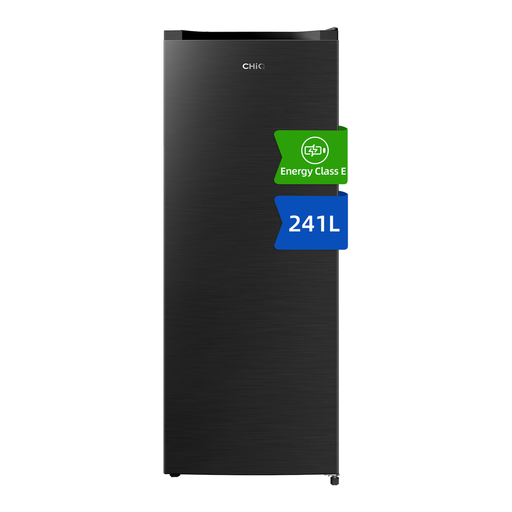
This freestanding, fridge-only format is an option when chilled groceries take priority and you do not need a freezer in the appliance.
It is listed as 1.44m tall; measure the available height and door clearance as well as its 54cm width.
 No image available
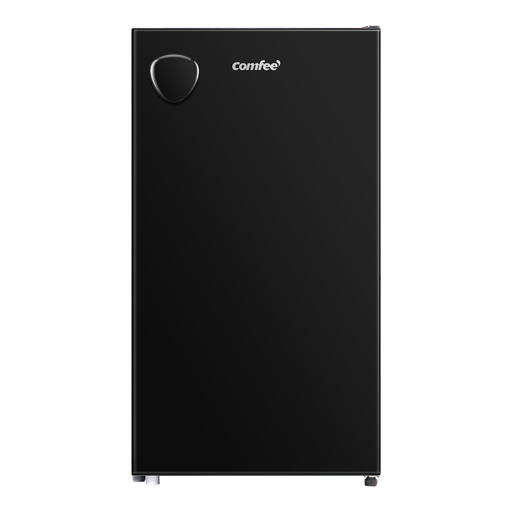
Consider this compact option when the main requirement is a small fridge for chilled food in a restricted space.
It has an adjustable thermostat and removable glass shelves. Keep yoghurt in the main fridge compartment, check its temperature with a thermometer and confirm the under-counter fit.
For household food storage in England, Northern Ireland and Wales, government guidance says to keep the fridge between 0 and 5°C and recommends checking it weekly with a fridge thermometer. Follow the yoghurt pack’s storage instructions and use-by date.
No: the priority is keeping yoghurt in a correctly operating fridge and following its pack instructions. A model-specific colder zone may matter if you also store other delicate dairy or fresh foods, but it does not extend a labelled use-by date.
Choose a fridge-only model if chilled storage is the priority and you have freezer space elsewhere or rarely need it. If one appliance must also hold frozen food, compare a fridge-freezer’s chilled-compartment litres rather than relying on its total capacity.
Compare annual kWh alongside energy class and the amount of storage you need. UK government appliance guidance notes that differently sized appliances can use different amounts of electricity even when their ratings are the same.