Households sharing shelves across different diets
When meat, vegetarian or vegan alternatives, dairy-free products and prepared meals share a fridge, clearly labelled, visible spaces make the household arrangement easier to follow.


Choose a fridge layout with enough visible shelf and drawer space for labelled foods, while leaving a protected bottom-shelf area for raw ingredients. Dedicated fresh-food drawers or convertible sections are worth considering when you store substantial amounts of different foods or your chilled and frozen storage needs change. No compartment makes food allergen-safe on its own: sealed containers, cleaning and safe raw-food placement remain essential.
When meat, vegetarian or vegan alternatives, dairy-free products and prepared meals share a fridge, clearly labelled, visible spaces make the household arrangement easier to follow.
You need room for raw meat or fish in a sealed container on the bottom shelf, with ready-to-eat food protected above it. Buckinghamshire Healthcare NHS Trust and the NHS both advise bottom-shelf placement to prevent drips onto other food.
Batches of prepared food, produce and larger containers call for drawer space and shelves that fit the containers you actually use. Distinct fresh-food areas may also help you give different food groups recognisable places.
Start with a layout that supports safe raw-food placement, then check whether its shelves and drawers fit your usual foods and containers. The concerns below describe consumers by their main priority when organising foods for different dietary needs.
| Concern | What to check | Who this matters to |
|---|---|---|
| Safe separation | Allow space for a sealed raw-meat or fish container on the bottom shelf and protected ready-to-eat food above. | When raw ingredients share a fridge with ready-to-eat or dietary-specific foods, I need a layout that makes placement clear and helps prevent drips. Around 34% of consumers put safe separation first. |
| Distinct food zones | Check drawer sizes and whether the exact model has separate produce and meat-or-fish areas or a convertible section. | If my household keeps several kinds of fresh food, I want each group to have a recognisable place without mistaking a drawer for allergen protection. For around 33% of consumers, practical zoning is the main concern. |
| Container space and visibility | Measure your largest meal-prep boxes and compare shelf spacing with chilled and frozen compartment volumes. | Batch-cooked meals and bulky ingredients need space where labels remain visible rather than being buried behind other food. That fit is the leading priority for around 20% of consumers. |
| Routine upkeep | Check whether a door alarm is included, which compartment a no-frost feature covers and any requirements for connected features. | If I rely on frozen meal portions, I want upkeep and door checks to be manageable alongside daily food organisation. Around 13% of consumers place routine upkeep first. |
Drawers organise food groups, but spills, unsealed packaging, shared utensils and poor cleaning can still cause cross-contact.
Keep dietary-specific foods sealed and labelled, clean after leaks and follow their packaging instructions. Keep raw meat or fish in a sealed container on the bottom shelf.
A stated capacity does not tell you whether tall cartons, meal-prep boxes or separate food groups will fit the shelf and drawer arrangement.
Measure your largest containers, then check shelf adjustability, drawer dimensions, chilled and frozen volumes, and the appliance’s installation dimensions.
Beko states that the BCFD450’s FreezerGuard function operates the freezer at ambient temperatures as low as -15°C, but does not recommend using its fridge compartment in low ambient temperatures.
If you plan to use a fridge-freezer in an outbuilding, check the exact model’s guidance for both compartments before choosing an installation spot.
An alarm, no-frost system or app feature does not replace temperature checks, attention to use-by dates or protected storage of raw food.
Choose a physical layout the household can maintain first. If connected functions matter to you, check the exact model’s Wi-Fi, account and app requirements.
Selected Bosch fridge and fridge-freezer lines offer dedicated fresh-food areas and shelving designed to improve access.
Selected Samsung fridge-freezers offer separate airflow or convertible storage for households whose chilled and frozen food needs vary.
Selected Beko fridge-freezers include practical features such as frost-free freezer operation and door-open alerts.
These fridge-freezers offer different sizes and formats to consider for shared food storage. Compare their actual shelf and drawer space with your labelled containers, and keep safe raw-food placement in mind regardless of the features listed.
 No image available
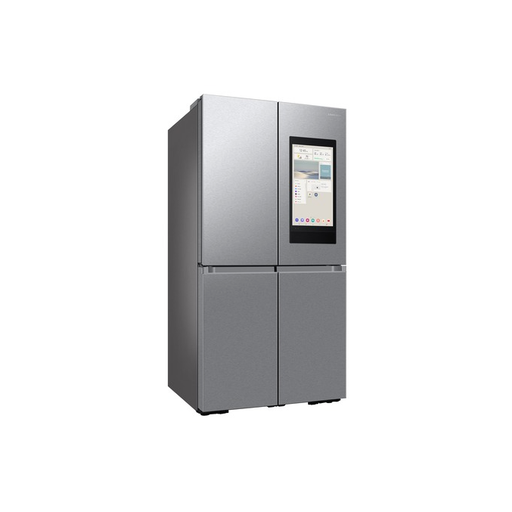
Consider this French-door format if you need to arrange several labelled food groups; check the interior layout against the containers you use.
The product name states a 646L capacity and E energy rating. Check the space needed for installation as well as the usable shelf and drawer dimensions.
 No image available
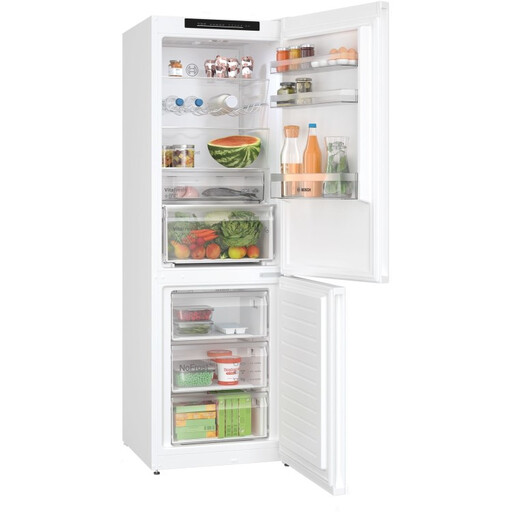
The 60/40 fridge-freezer format is worth checking if you need chilled space for clearly labelled fresh foods alongside a separate freezer.
Its product name specifies NoFrost, a height of 186cm, a width of 60cm and a D energy rating. Check the exact shelf and drawer arrangement, particularly the space available for sealed raw food.
 No image available
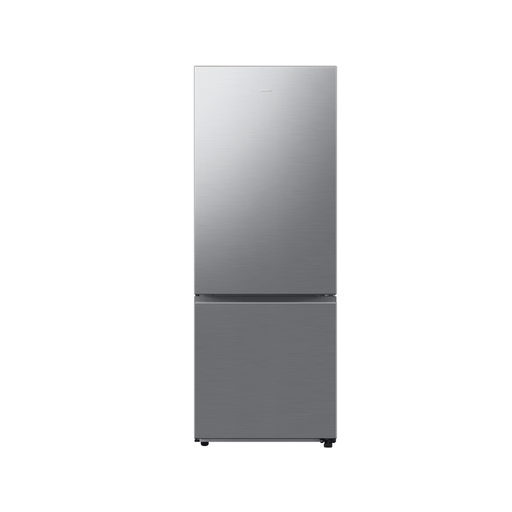
Its stated capacity makes this a model to assess if you store several kinds of labelled food; confirm that the internal layout, not just the total volume, fits them.
The product name specifies a 75.9cm width and C energy rating. Check the installation space and the usable drawer and shelf dimensions.
 No image available
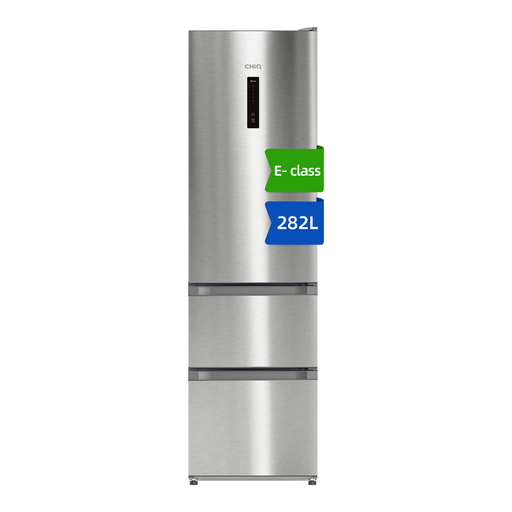
Consider the three-door layout if you want distinct places for chilled food and frozen meal portions, then check where your usual containers will fit.
The product name specifies a 54cm width, drawers, No Frost and an E energy rating. Confirm the fridge shelves and drawer dimensions before relying on a particular storage arrangement.
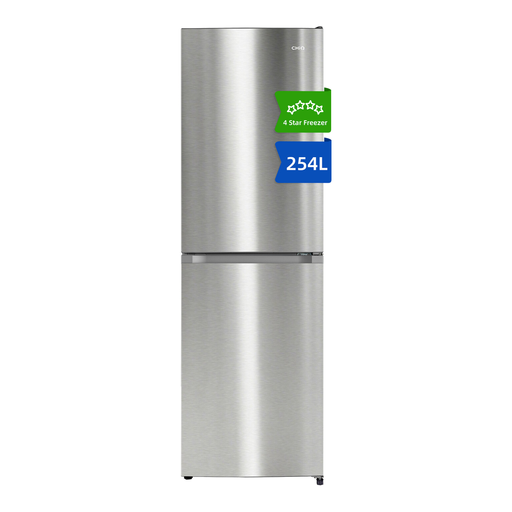 No image available
This narrower fridge-freezer may be worth measuring up for a kitchen where space is limited, provided its shelves accommodate your labelled foods and raw-food container.
The product name specifies a 54cm width, 176cm height and E energy rating. Low Frost should not be treated as frost-free; allow for the freezer upkeep described for the model.
Keep a household fridge between 0°C and 5°C, as advised by Buckinghamshire Healthcare NHS Trust. Use a fridge thermometer if you are unsure of its operating temperature, and continue to follow food-packaging storage instructions.
Keep raw meat or fish in a clean, sealed container on the bottom shelf so it cannot drip onto other food. Buckinghamshire Healthcare NHS Trust and the NHS give this placement advice; it matters when ready-to-eat or dietary-specific foods share the fridge.
No: a drawer is an organisation aid, not an allergen-safety guarantee. Use sealed, labelled containers, clean after spills, and check each food’s packaging and storage instructions.
Compare the exact fridge-freezer model’s energy label, dimensions and chilled and frozen compartment volumes alongside its shelf layout. The Department for Energy Security and Net Zero and the Office for Product Safety and Standards set out UK energy-information requirements for products in scope; a feature name alone will not tell you whether your containers fit.
Check the guidance for both compartments of the exact model rather than assuming an outbuilding feature covers the whole appliance. Beko states that the BCFD450’s FreezerGuard function operates its freezer at ambient temperatures as low as -15°C, but does not recommend using its fridge compartment in low ambient temperatures.